
The Future of Work Won't Wait
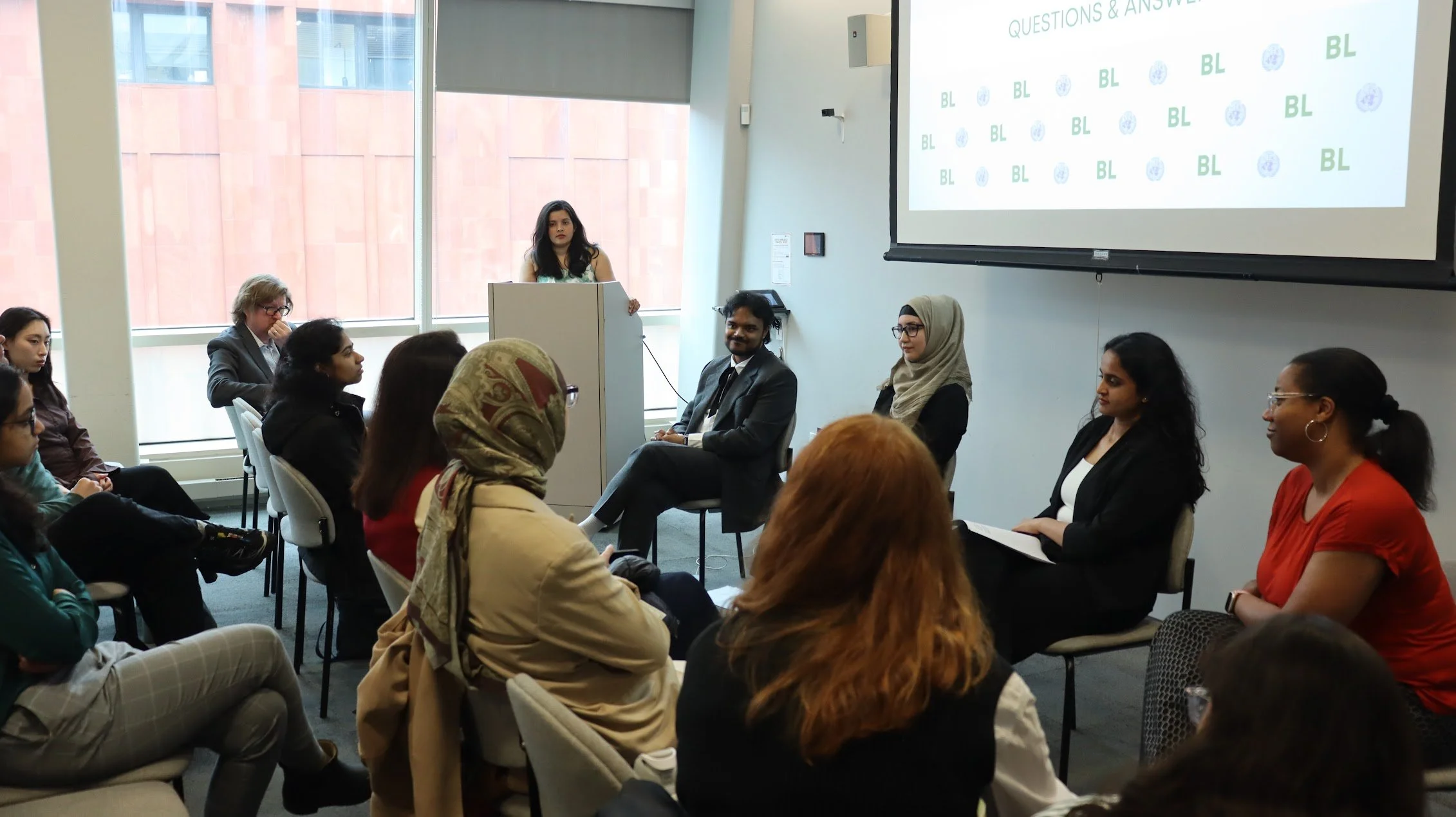
On March 12, 2026, BacharLorai Global brought together technologists, policymakers, and advocates at NYU's Kimmel Center to ask a question the world can't afford to ignore: As AI reshapes the global economy, who gets left behind—and who gets to lead?
For the third consecutive year, BacharLorai Global convened a parallel event during the 70th Session of the United Nations Commission on the Status of Women
March 12
Kimmel Center, NYU, New York City, USA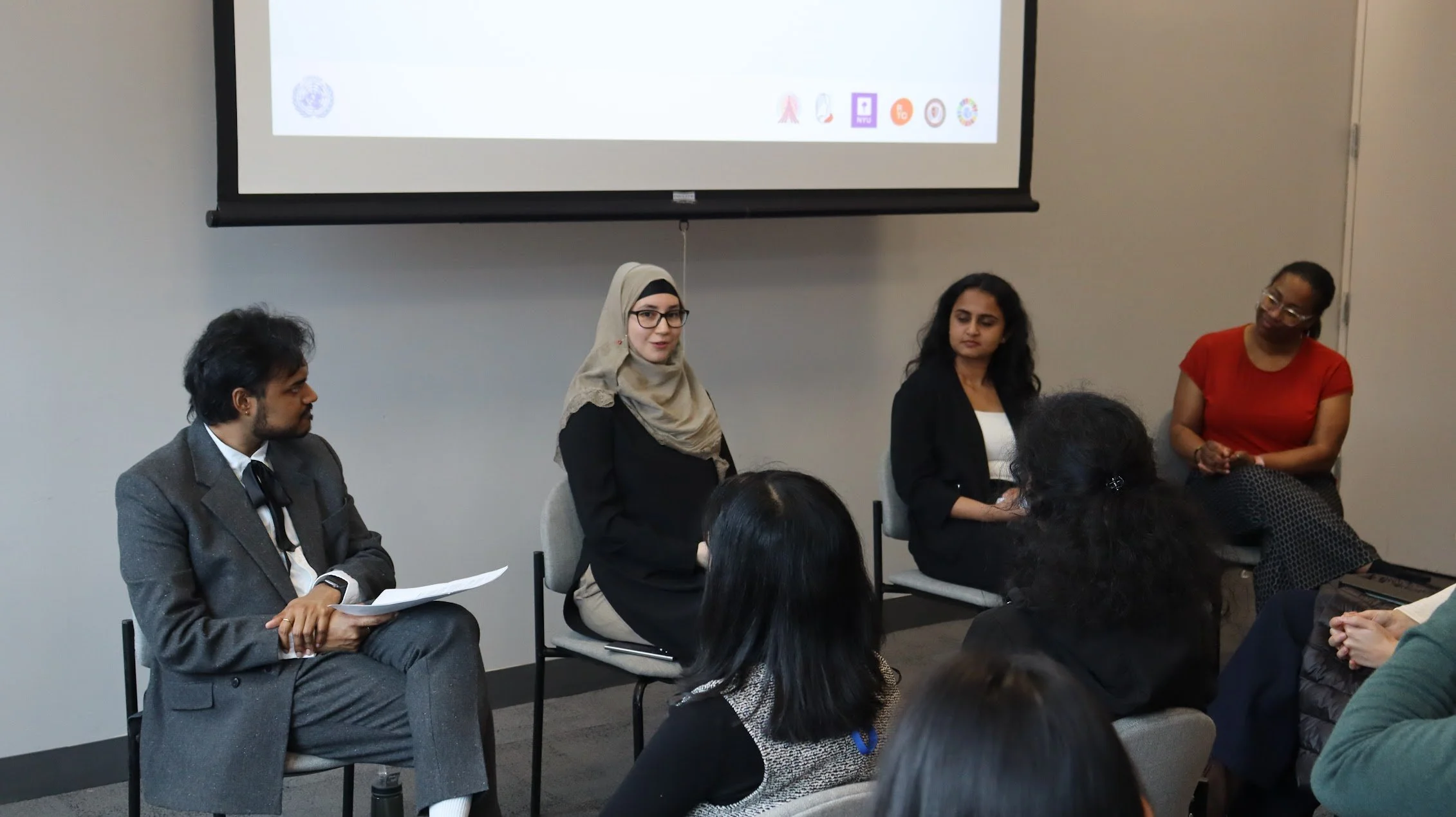
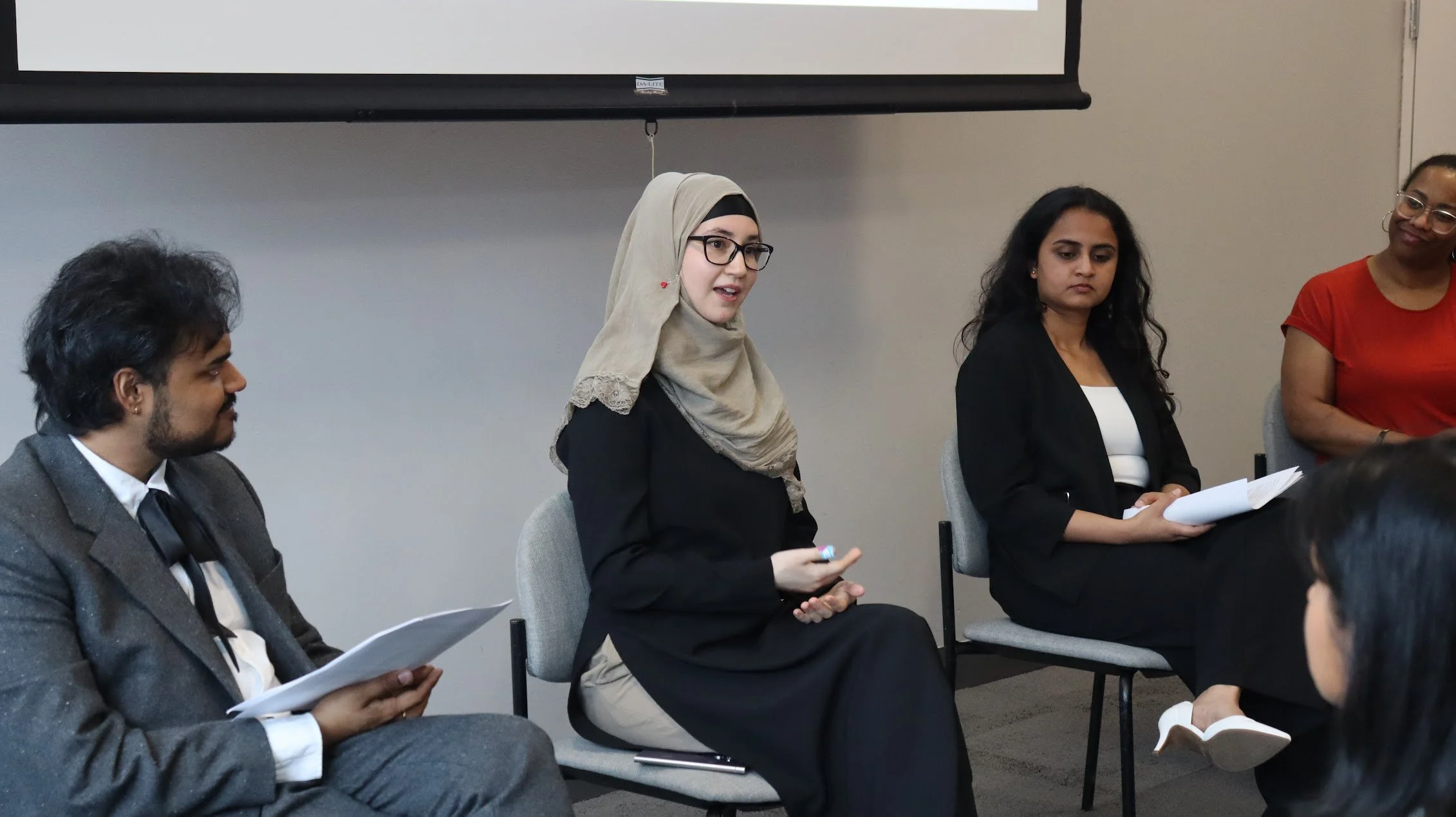
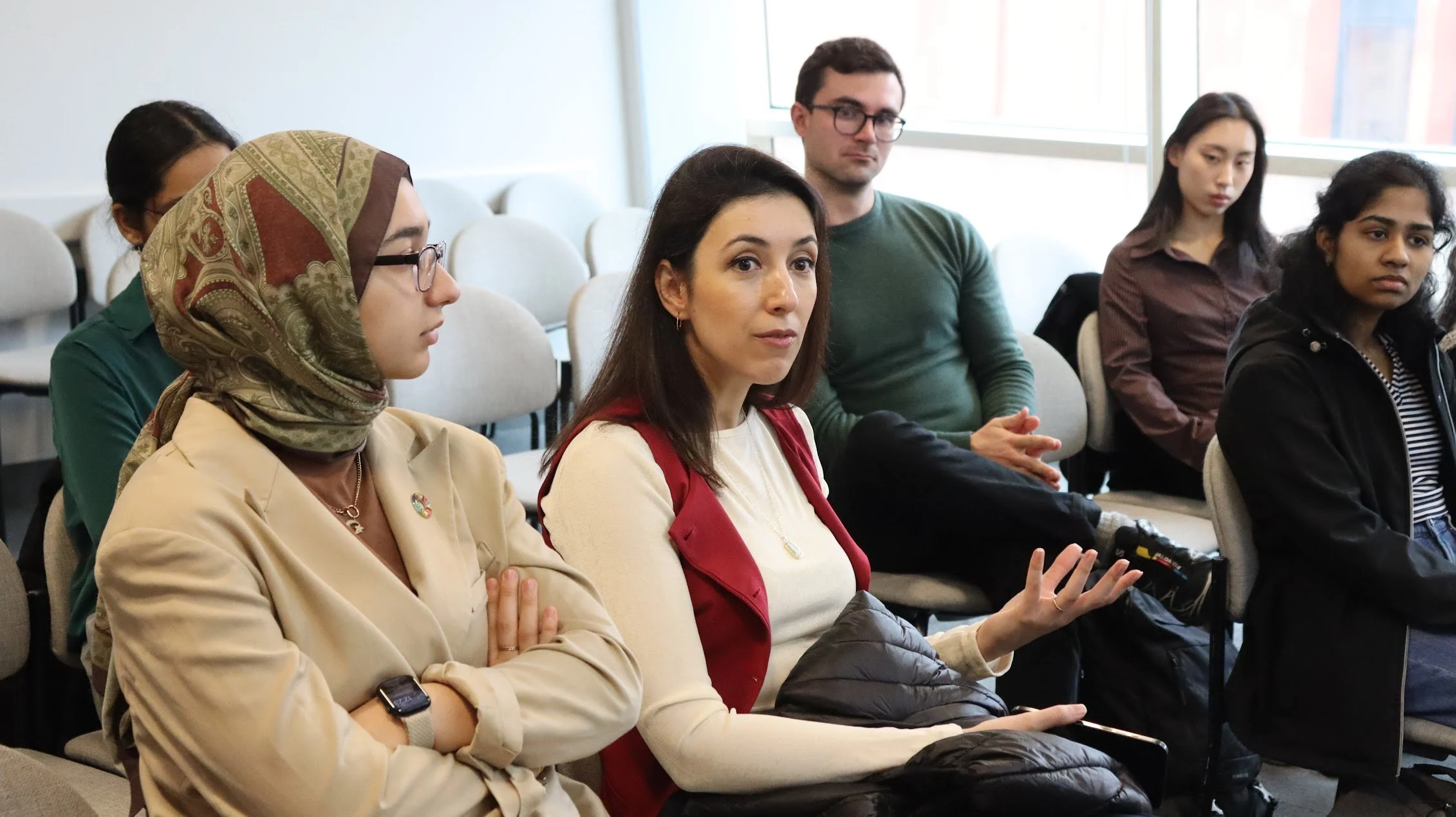
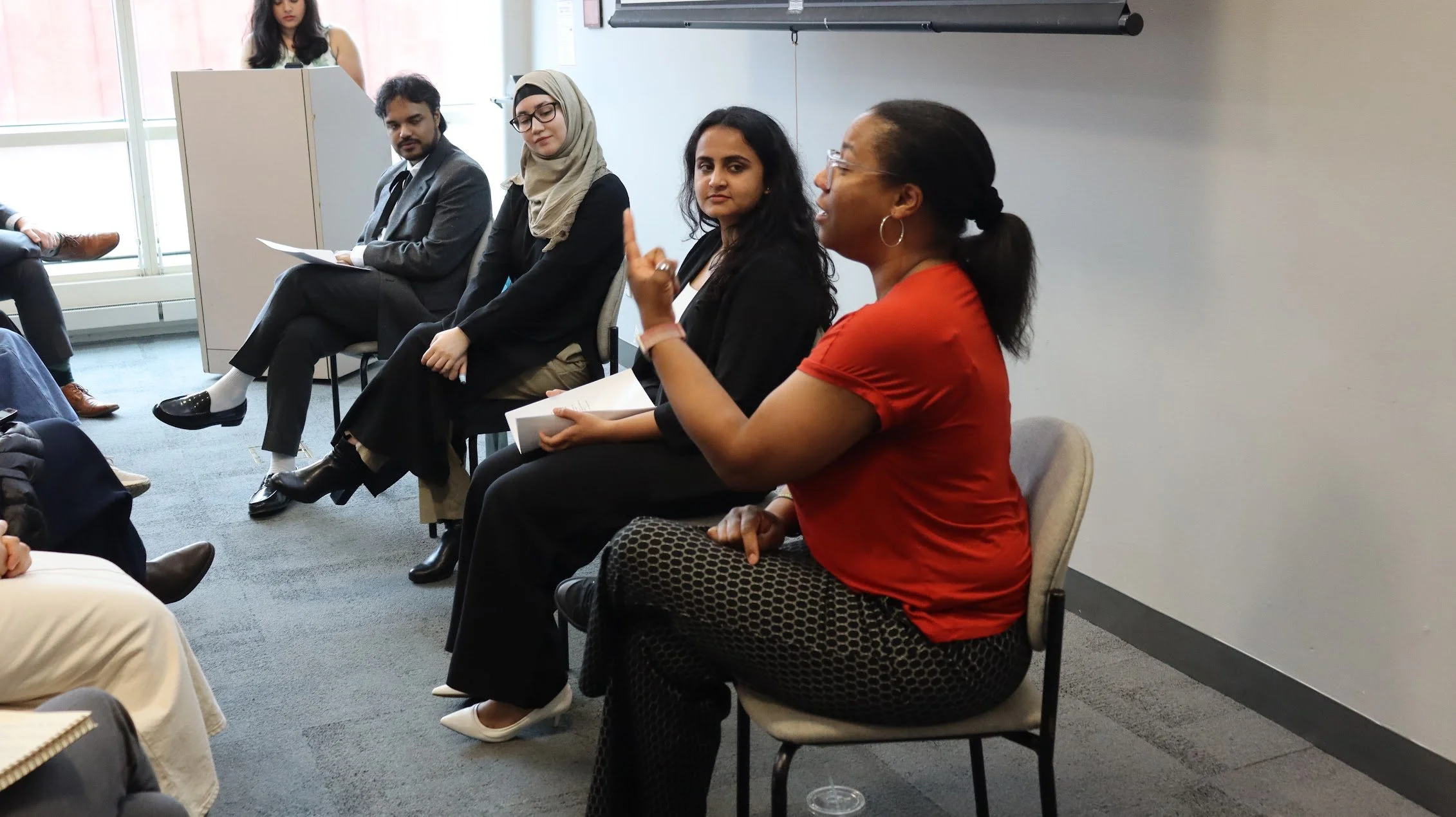
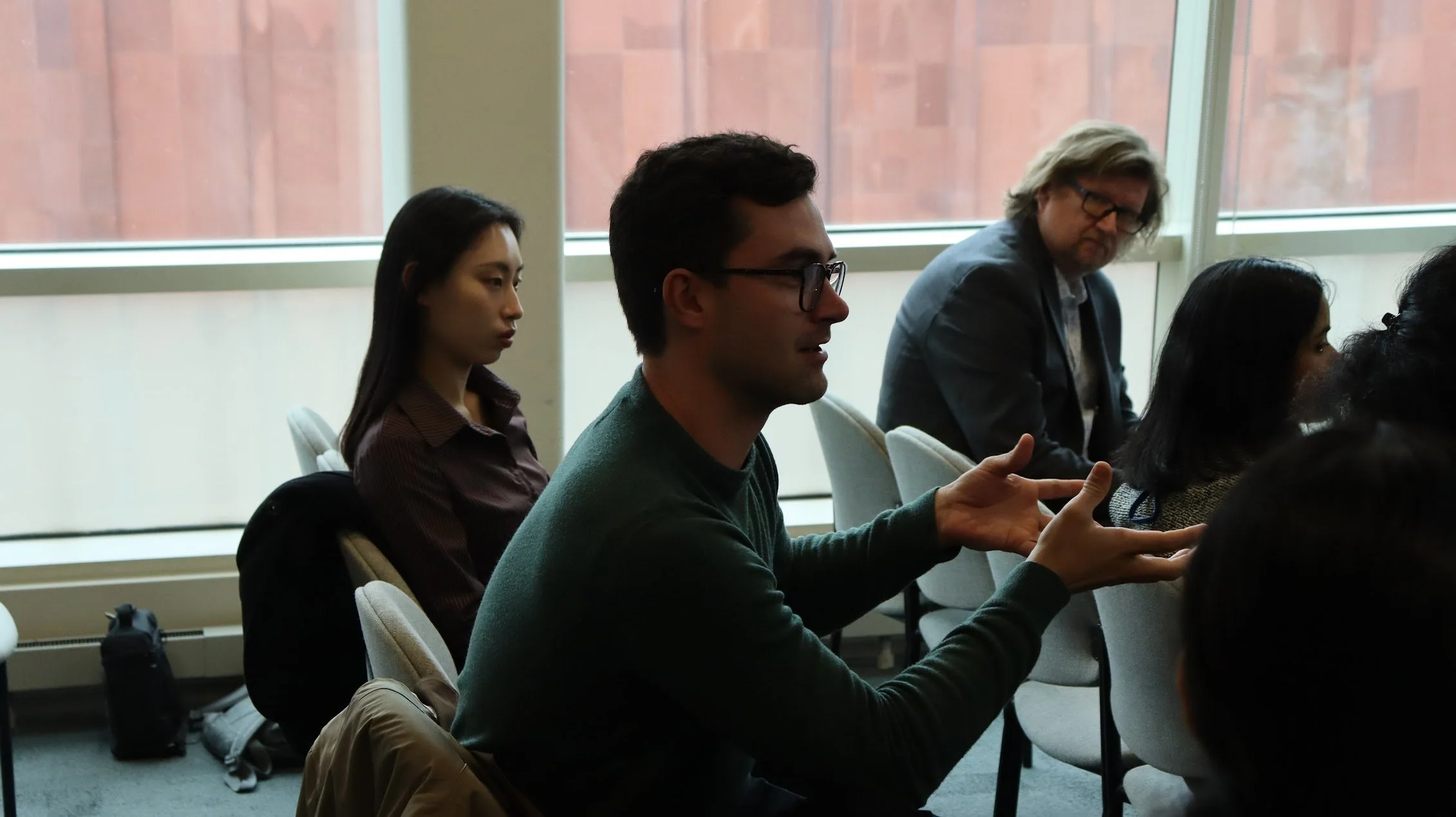
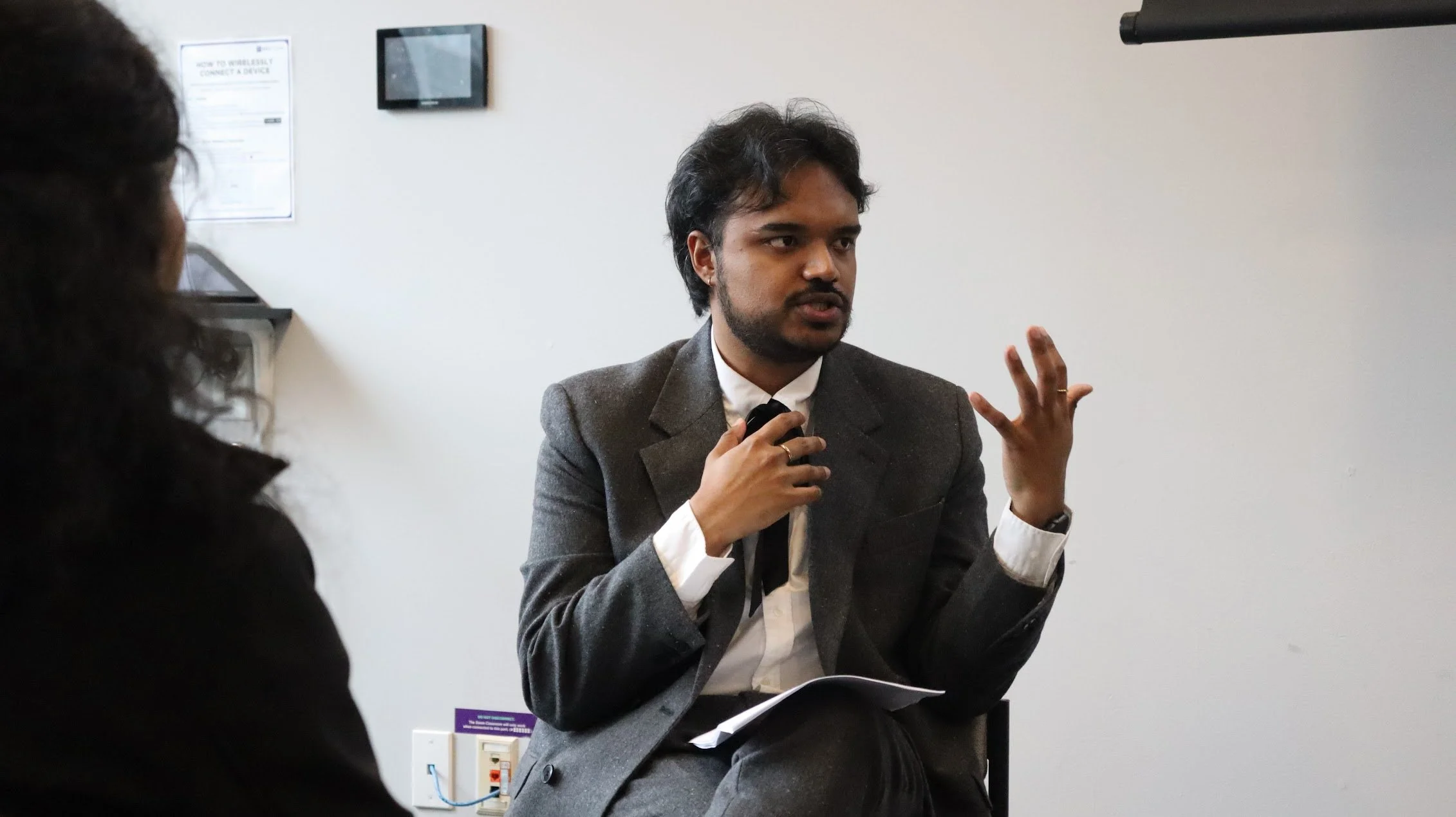
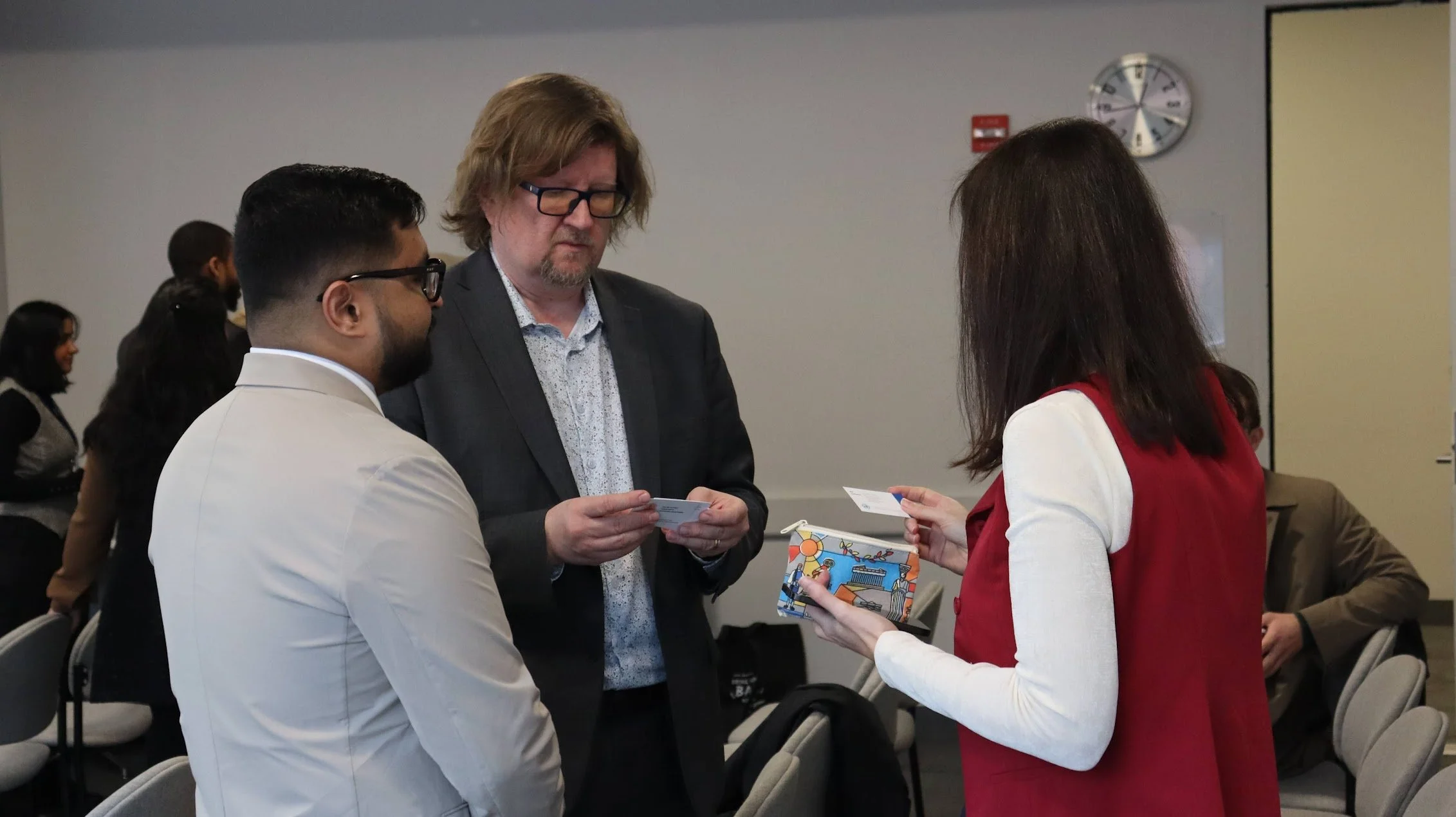
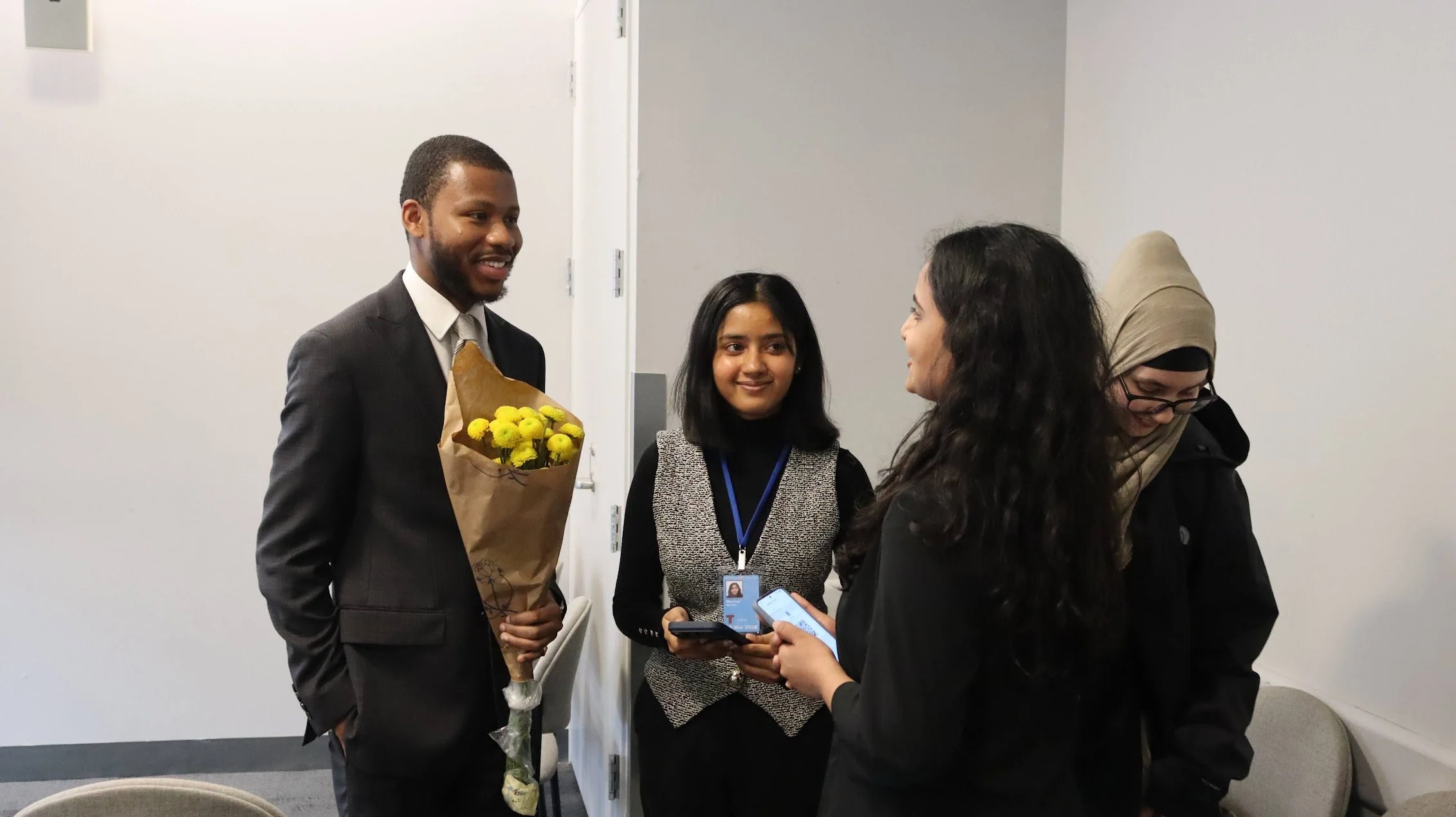
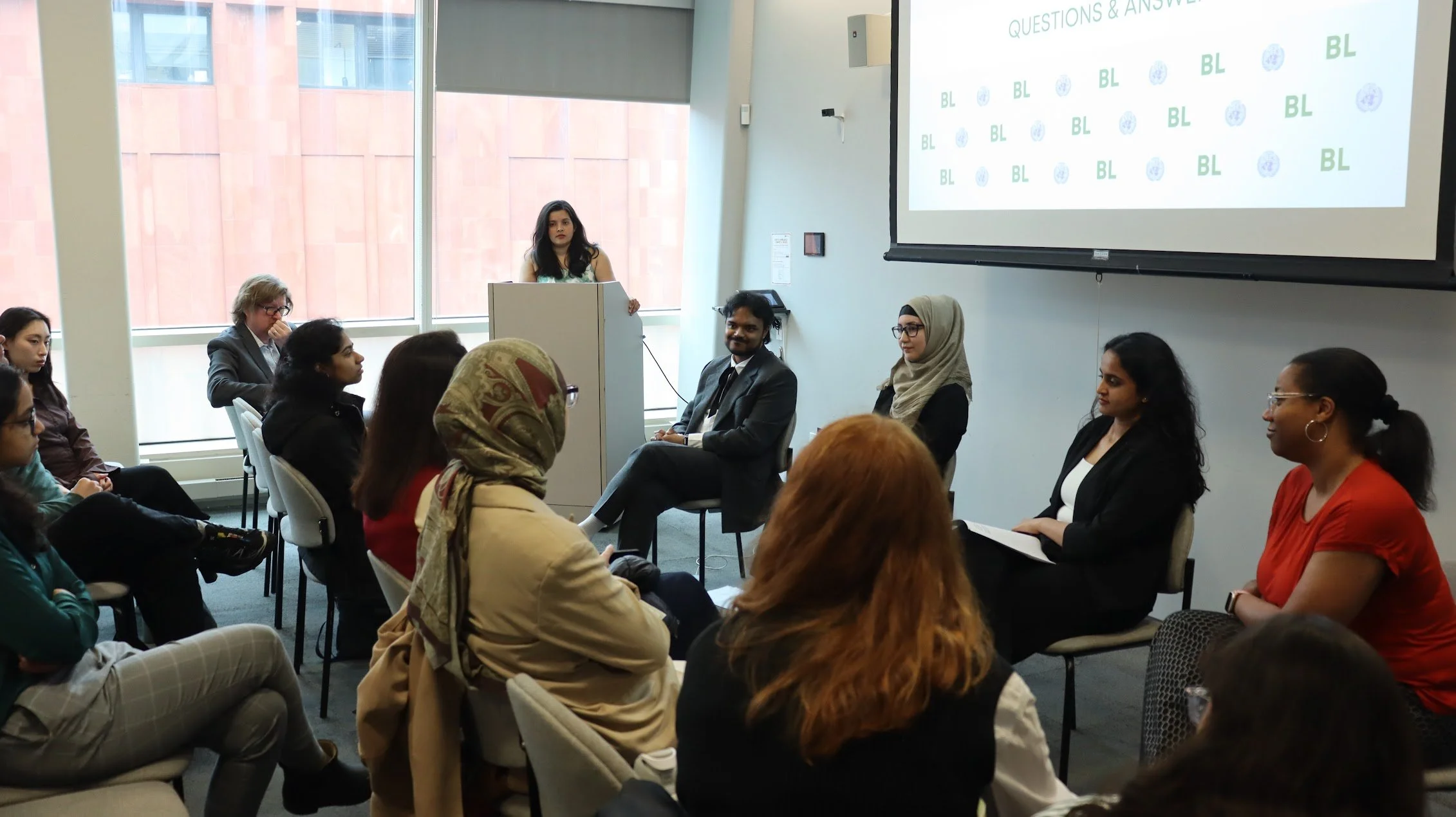
The Conversation
With 85% of countries lacking national AI regulations, we gathered experts from tech, healthcare, academia, and policy to move beyond diagnosis and toward solutions.
-
Where is AI helping dismantle structural barriers for women and girls, and where does it risk reinforcing them?
-
How can AI-driven tools align training and credentialing with real-time labor market needs in low-resource contexts?
-
With 85% of countries lacking national AI governance frameworks, how can low- and middle-income countries ensure that AI adoption expands economic opportunity for women rather than deepening digital divides?
-
What does gender-responsive AI look like in practice, and who must be held accountable for ensuring equitable outcomes?
-
In 5 years, what measurable change would signal that AI has meaningfully improved economic justice for young women?
What We Heard
“AI is a tool that both extends our opportunities and amputates them. The only way to ensure equitable outcomes is to de-center yourself.”
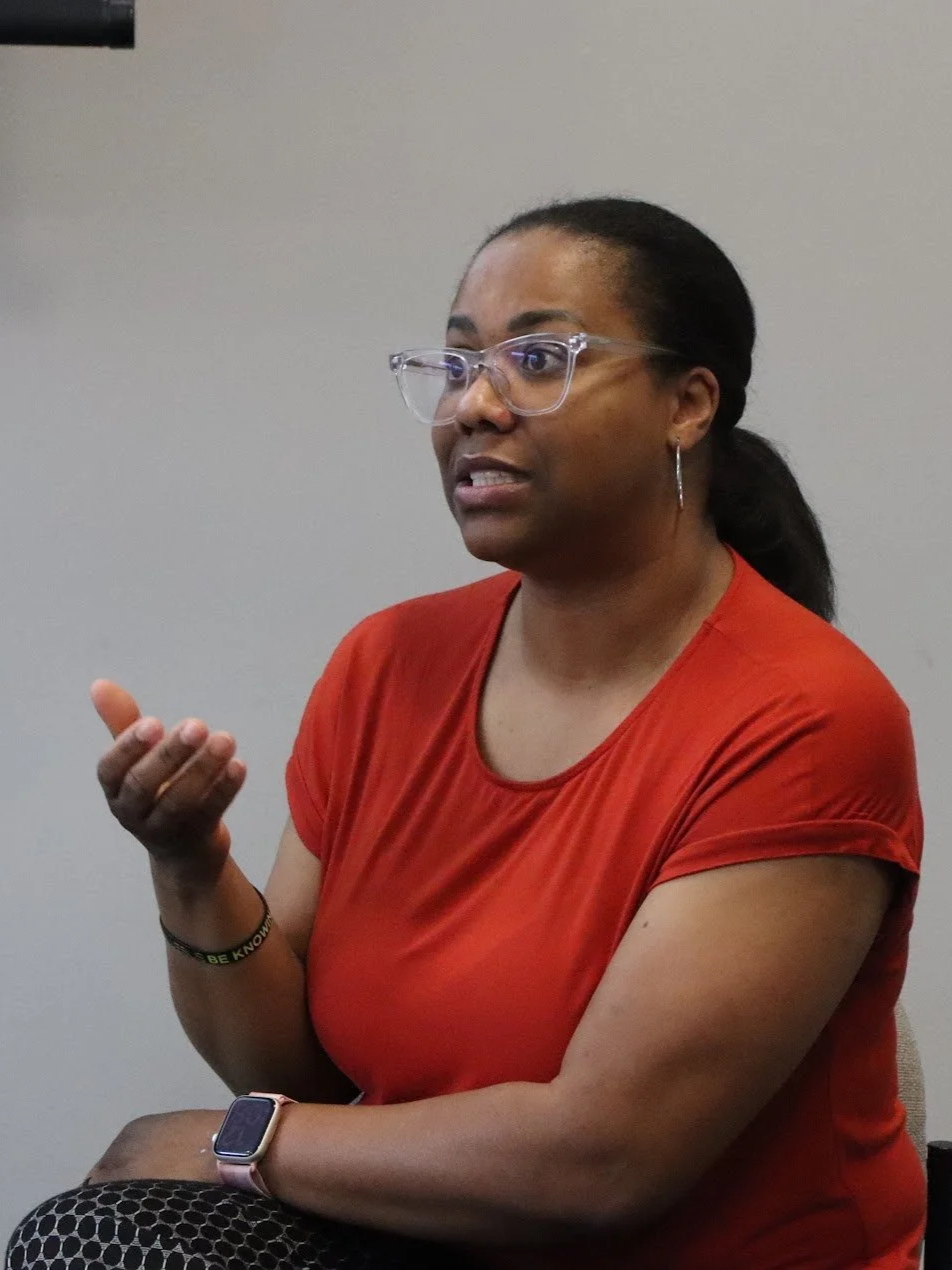
- Dr. Kristin Austin, Rewriting the Code
“AI is not neutral. It reflects the world as it has been recorded—hierarchies, blind spots, exclusions. Biases don't disappear. They become what AI considers normal.”
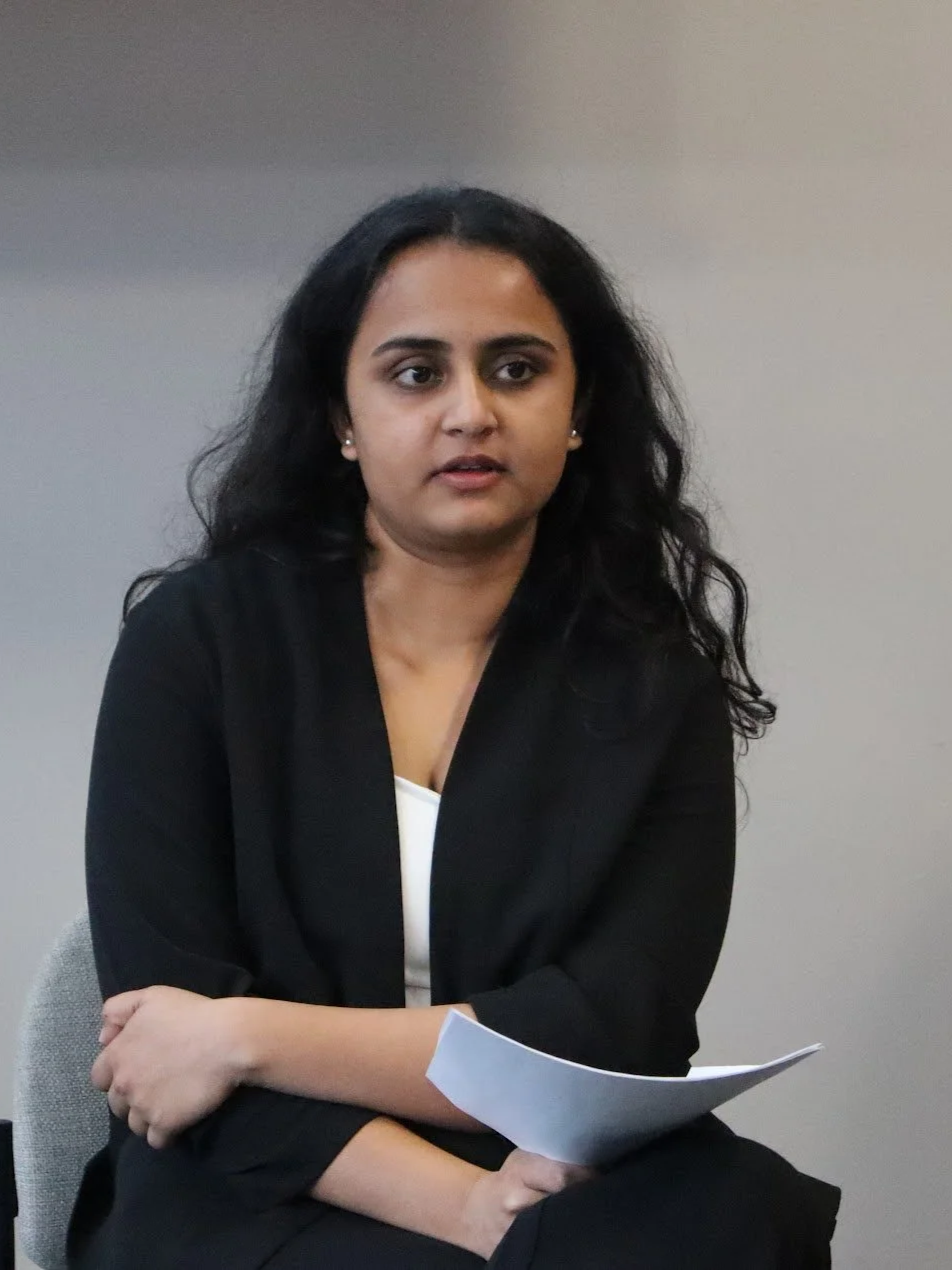
- Saloni Patel, Kamakhya Health Organization
“73% of women journalists face digital threats. What starts as virtual never remains there. When there is impunity, women impose self-censorship on their careers.”
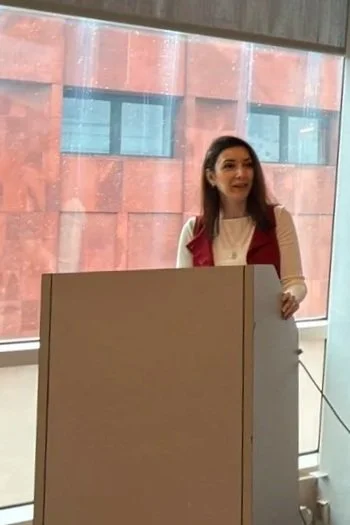
- Cemre Ulker, Journalists and Writers Foundation
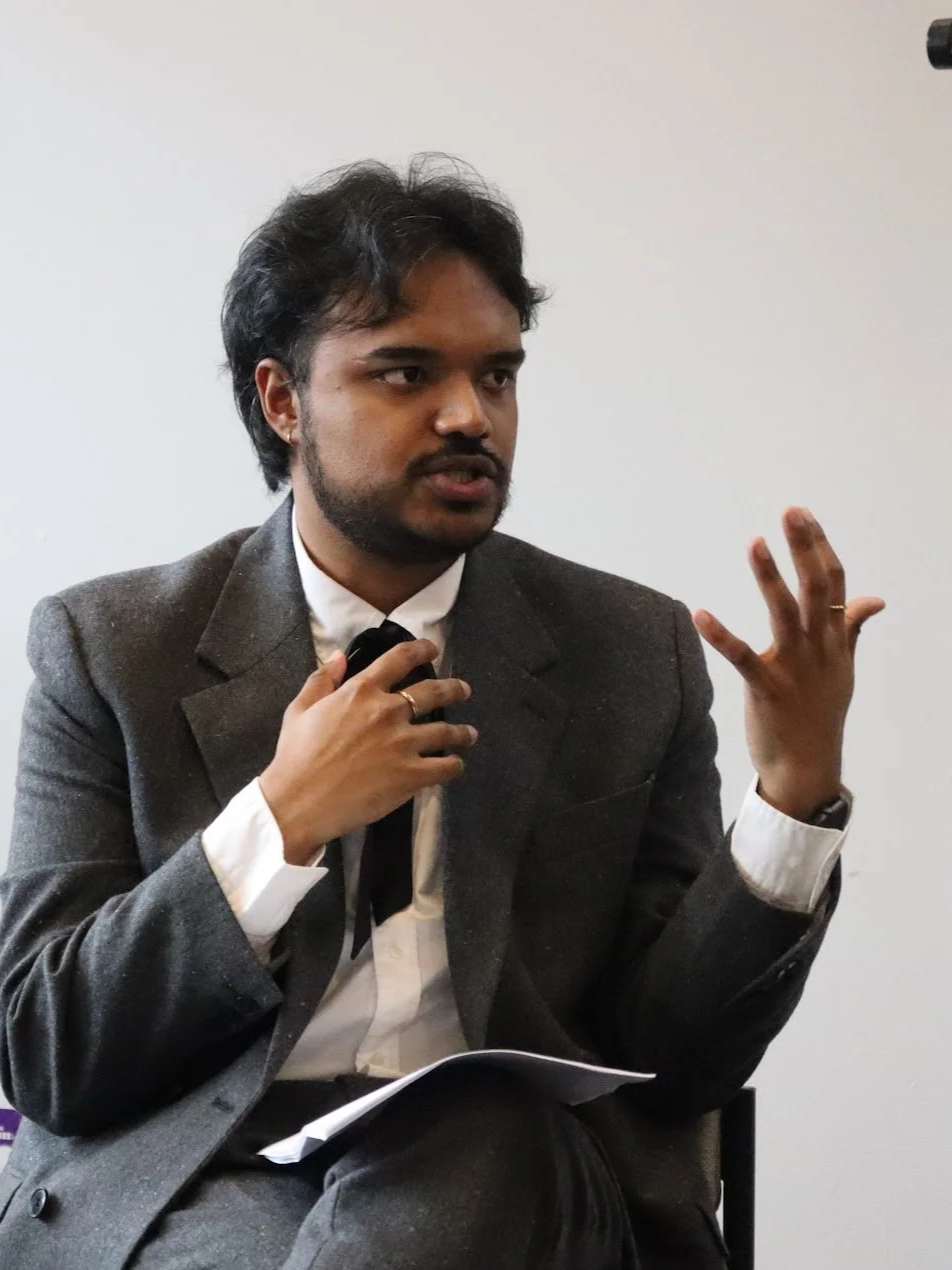
“The biggest risk without engaging communities is we're not solving problems—we're making them worse. Genuine co-design means designing with communities, not for them.”
- Al-Amin Ahamed, 2024-25 Policy Resident, BL
“It's never just about skills. What are your goals? What drives you? How do we help you find meaningful careers—not just quick ones?”
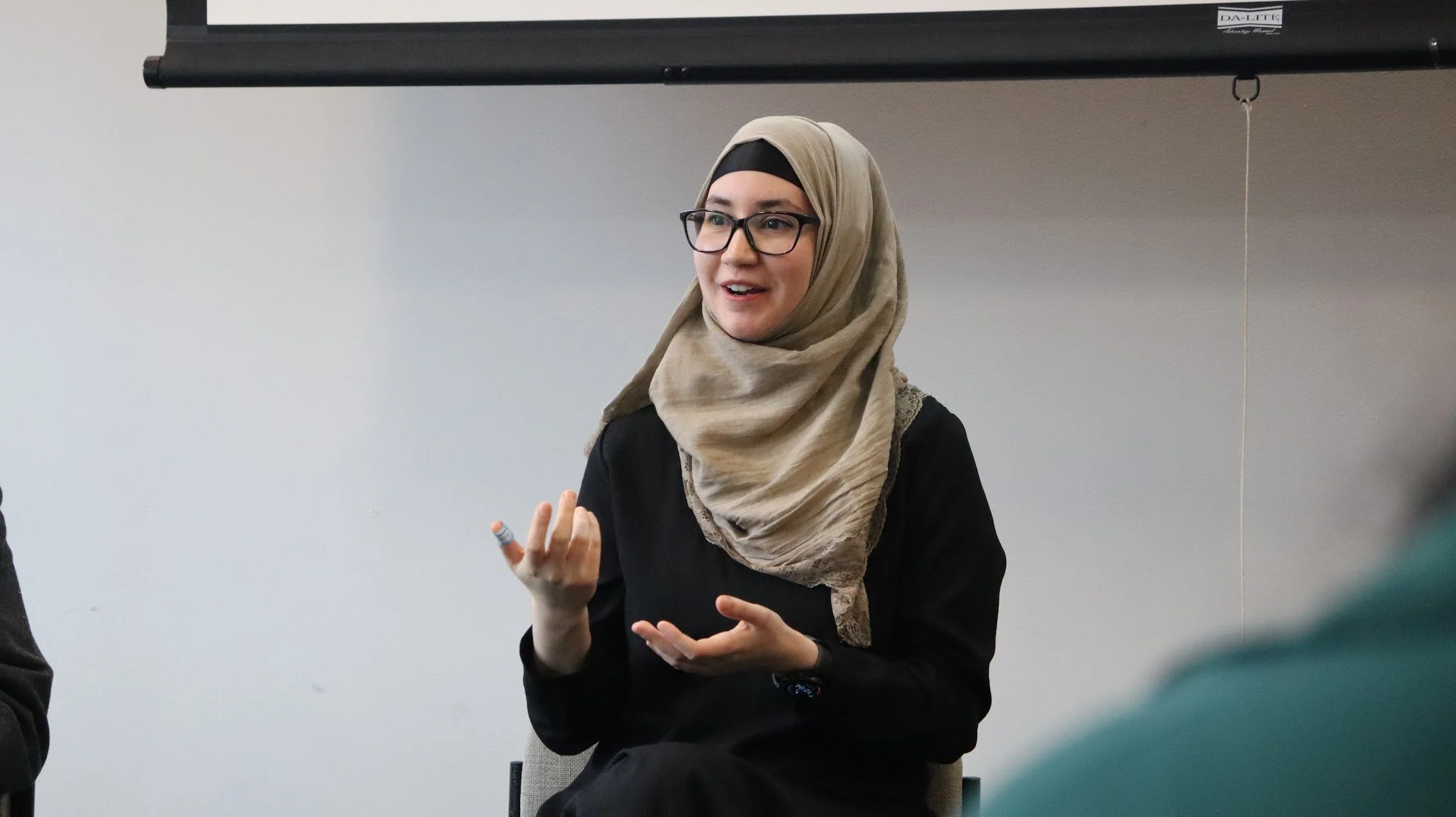
- Sila Gecir, Marble Health
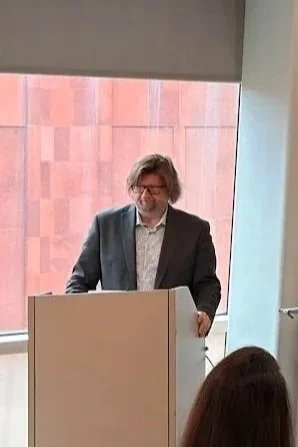
“Technology alone will not create equity. Women and girls must not only be participants in the digital economy, but leaders shaping its direction.”
- Aki Temisevä, President & CEO
United Nations Association in Canada
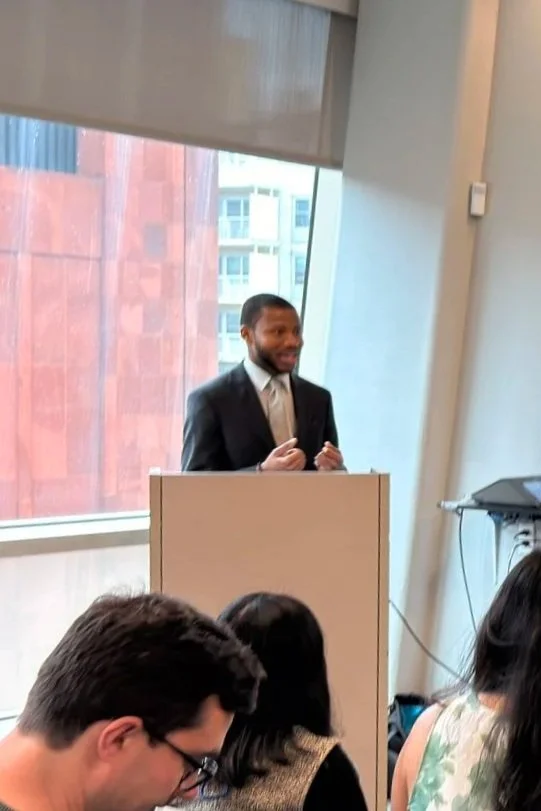
“Hopefully we can come to solving some of these issues that face all of our communities, and especially towards women.”
- Nicholas Kimble, Intergovernmental Affairs
United Nations Youth Office
Event Partners

Past Events
-
![Illustration of a woman reading to girls in traditional clothing inside a circle, with the words 'Ending Period Poverty' and 'Policy Brief' above and below the circle.]()
CSW69 Panel on Leadership of Refugee Women
-
![Illustration of a rural community with homes, a river, boats, and a community clinic, set against a backdrop of factories and a bright sun, representing development and healthcare in Bangladesh.]()
CSW68 Panel on Period Poverty in South Asia

United Nations Advocacy Team
-

Samantha Mastroianni
Manager, UN Advocacy
-
Elif Soylemez
Lead, United Nations Advocacy