2542 Danforth: Restauranter leading the Chamber of Commerce
This ethnography was proudly funded by the GLOCAL & Canada Service Corps.
Parvez Ahmed Mohid (60) is the President of the Bangladesh Canada Chamber of Commerce Business Association. A resident of Canada for 24 years, he arrived on an international scholarship. His trajectory—from odd jobs to owning medical clinics and eventually founding Lobongo—represents the transition of the diaspora from a tight-knit settlement to a sophisticated economic power.
Zeba Farooque for BacharLorai
Ethnograph
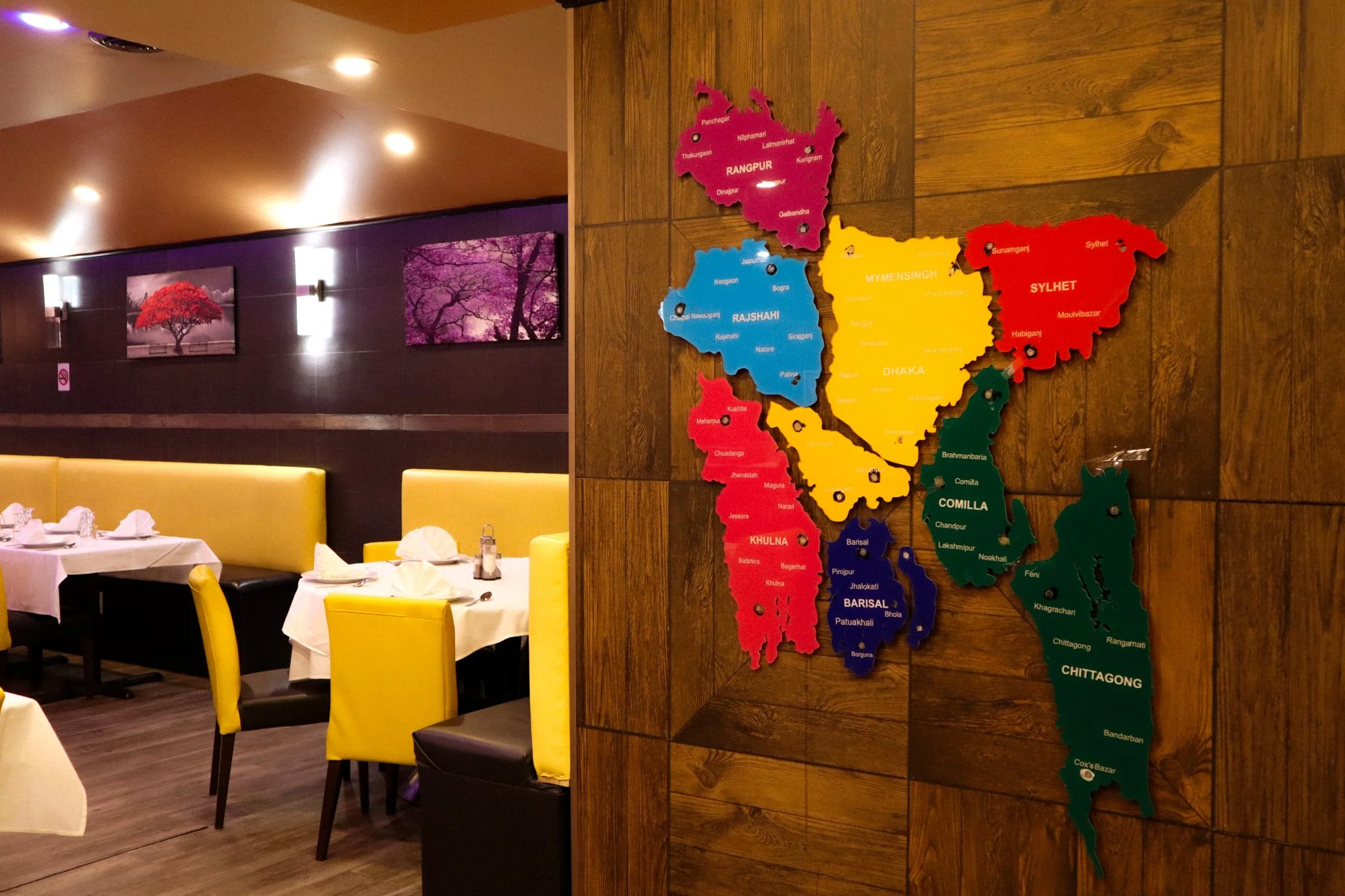
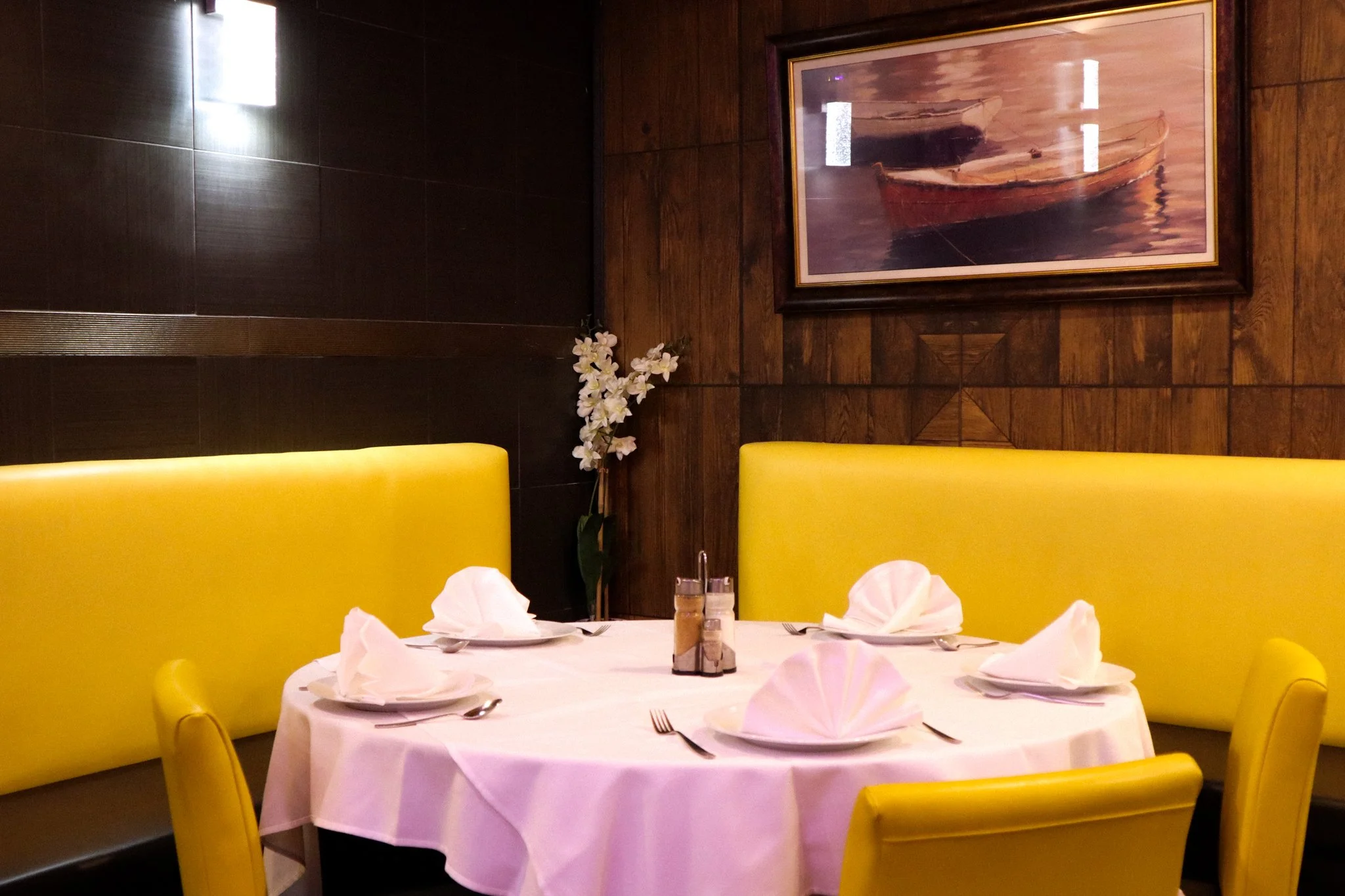
To understand Lobongo is to understand the maturation of the Danforth. When Parvez Ahmed Mohid arrived over two decades ago, the community was "intimate" and small—centered around Dhaka Convenience and the cassette-turned-tea-shop of Ghorowa. Lobongo, located in a space formerly occupied by a restaurant called Kolapata, represents a deliberate pivot toward the Elevation of the Enclave. Parvez, who also operates medical clinics, didn't just open a restaurant; he aimed to bring an "elevated dining experience" to Toronto, signaled by the upscale decor and refined service of Lobongo.
From Convenience to Community Infrastructure
Zeba Farooque for BacharLorai
Lobongo’s success is a study in Minority-Led Business diversification. Parvez’s background in medical clinic management informs the structured, professional environment of the restaurant. However, the heart of the business remains rooted in the "Home-Public" philosophy. The famous Kachchi Biriyani and Roast Pilau serve as the culinary anchors for the community’s social events. By transforming a medical clinic space into a high-end restaurant, Parvez demonstrated a form of Social Innovation: repurposing urban real estate to meet the community's growing demand for spaces that reflect their rising socioeconomic status.
"We were actually looking to open another clinic where Lobongo is... But there was a restaurant, Kolapata, in that space. We decided to take over and transform both spaces into what is now Lobongo, aiming to bring an elevated dining experience to Toronto." — Parvez Ahmed Mohid
Upholding the Linguistic Legacy
Zeba Farooque for BacharLorai
For Parvez, business is secondary to the preservation of the Bengali identity. As a community leader, he views Lobongo as a stage for the younger generation. He speaks with pride about the "organization they have built," celebrating poetry, Bijoy Dibosh (Victory Day), and the Mela. By ensuring that the Bengali language remains the primary mode of communication within these walls, Lobongo acts as a cultural fortress, resisting the linguistic erosion that often accompanies the "second generation" experience in Canada.
The President’s Perspective on Growth
Zeba Farooque for BacharLorai
Parvez acknowledges the struggle of the early settlers—the odd jobs and the lack of stores—to contextualize how far the Danforth has come. He views the current "BanglaTown" not just as a cluster of businesses, but as a recognized piece of the Canadian mosaic. His support for the younger generation is a strategy for institutionalizing the enclave. He understands that for the neighborhood to survive, it must be more than a place to shop; it must be a place to belong.
Research Insight: This ethnographic profile identifies Lobongo as a prime example of Socioeconomic Maturation within an ethnic cluster. By analyzing Parvez’s move from essential services (medical clinics) to high-end hospitality, we observe a "sophistication of demand" in the diaspora. The business serves as a laboratory for Social Innovation, where the "Sunday Bhorta" ritual is professionalized into a sustainable economic model. Furthermore, Parvez’s dual role as a businessman and community president provides a unique dataset for Diaspora Data Literacy, showing how institutional leadership and private entrepreneurship work in tandem to secure municipal recognition and cultural longevity.
Elevation
Zeba Farooque for BacharLorai
Parvez Ahmed Mohid’s journey from a scholarship student to the President of the Chamber of Commerce is mirrored in the walls of Lobongo. The restaurant is a testament to the fact that the Bengali community in Toronto is no longer just "settling"—it is excelling. As the younger generation picks up the torch, Lobongo stands as a high-standard reminder of the legacy built by those who first arrived 24 years ago.