2543 Danforth: The Pivot Chef
This ethnography was proudly funded by the GLOCAL & Canada Service Corps.
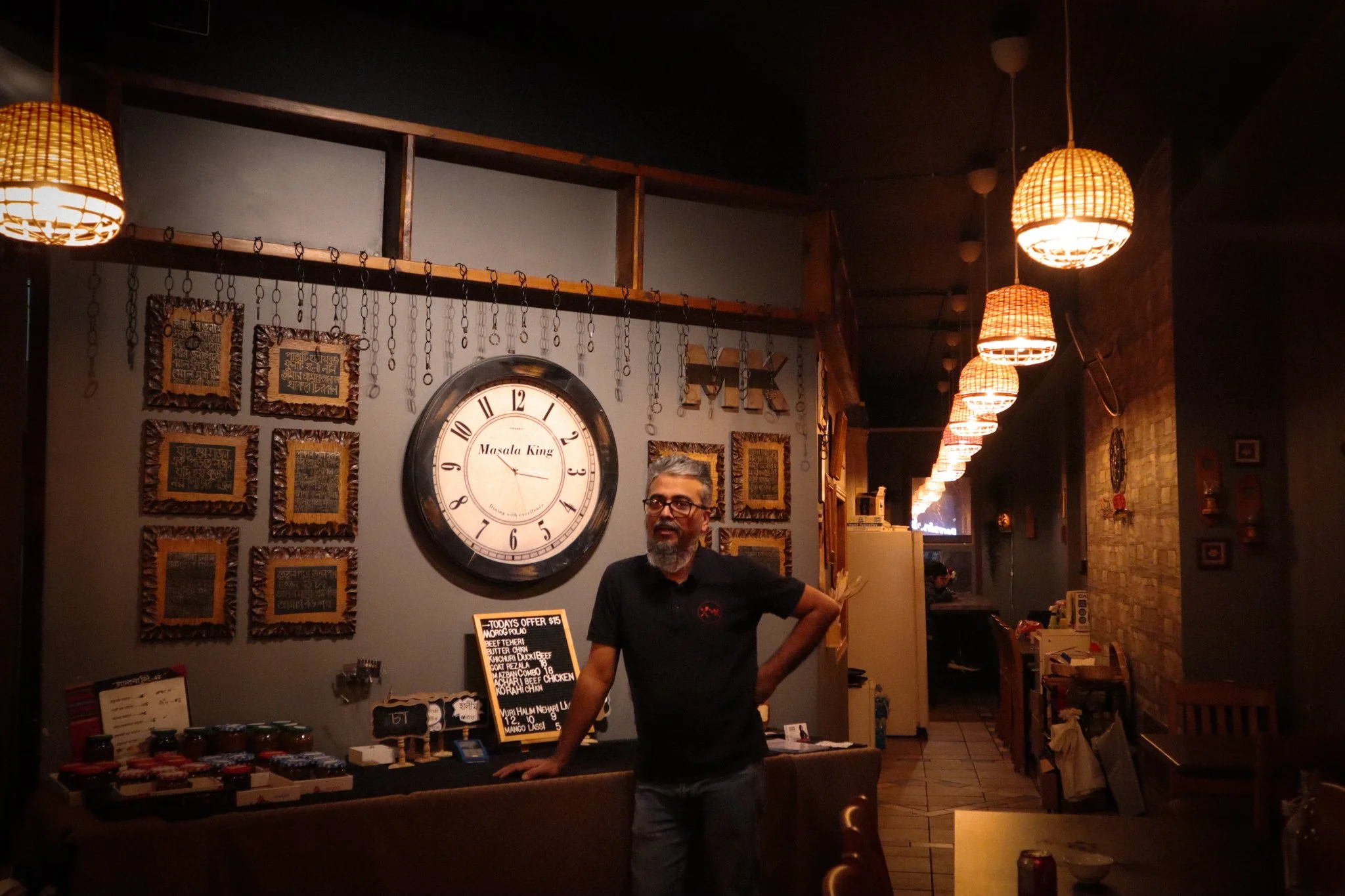
Shoaib immigrated to Canada in 2014. A former banker by profession, he traveled through the United States and Australia before choosing Canada as the permanent home for his children's future. His trajectory—from banking to the hospitality corporate sector (SIR Corp) to owning Masala King—represents the sophisticated "second wave" of immigrant entrepreneurship that blends corporate discipline with cultural heritage.
Zeba Farooque for BacharLorai
Ethnography
Masala King is a case study in the Professionalized Pivot. Shoaib’s arrival in 2014 was met with the typical "immigrant slump"—a period of recalibration where professional credentials from the motherland often go unrecognized. However, Shoaib’s choice to enter the food industry was a calculated move rather than a fallback. After six years of training within large-scale Canadian restaurant groups like SIR Corp, he identified a gap in the market: the need for a high-standard, catering-focused Bengali establishment. Masala King, launched in 2019, was the result of this intersection between corporate methodology and diasporic flavor.
The Chef
Zeba Farooque for BacharLorai
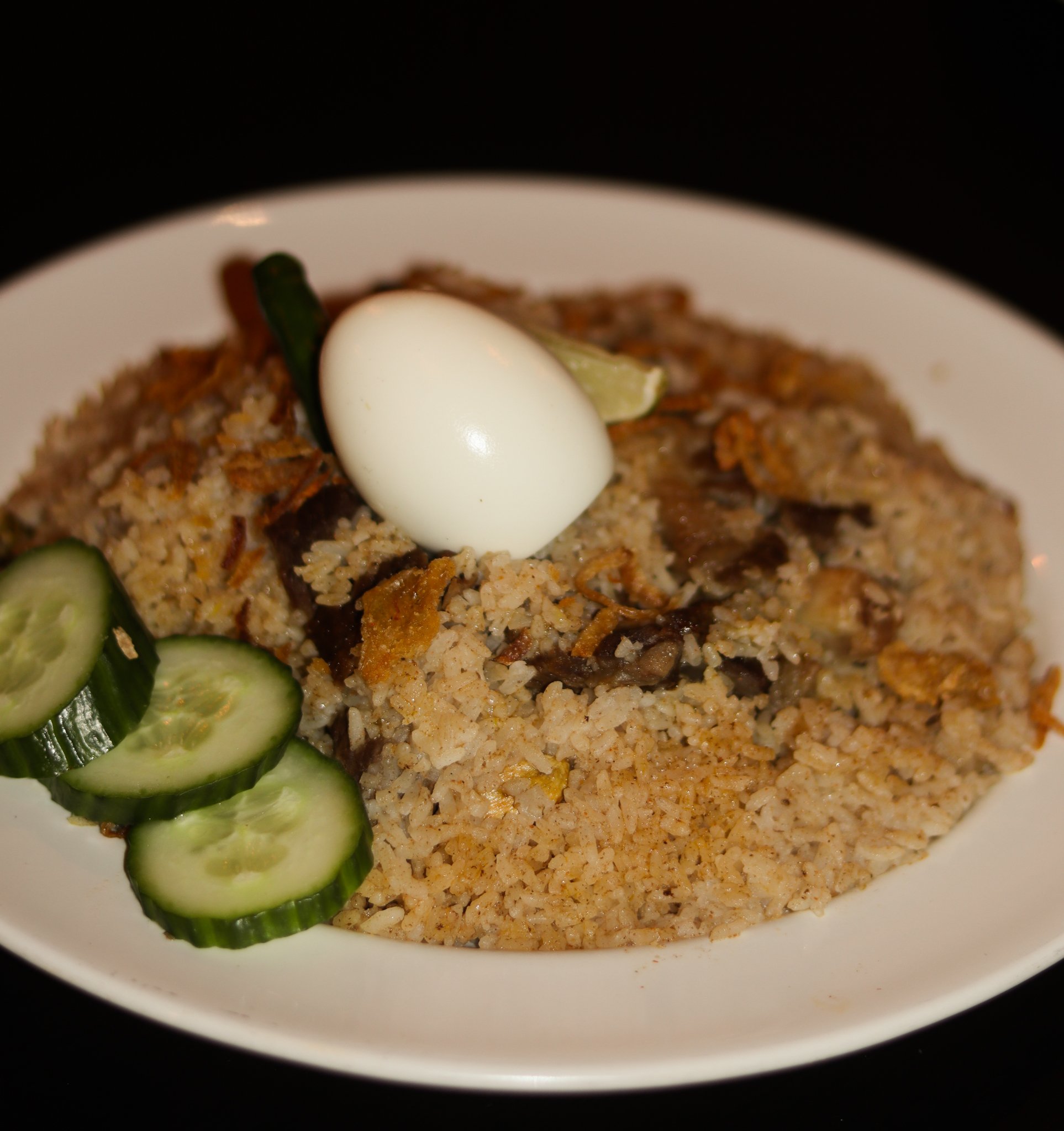
While Shoaib manages the strategic operations, the soul of the business is "powered by the recipes" curated by his wife. A multiple cooking competition winner, she brings a level of technical expertise that elevates the menu from generic South Asian fare to a specialized culinary experience. This transition from a traditional dine-in model to a catering-heavy structure is a refined success strategy. It allows the business to scale beyond the foot traffic of Danforth, serving a wider Toronto audience while maintaining the integrity of competition-level home cooking.
"I was doing an odd job and took courses on the side... As I always had an interest towards cooking, I thought to myself - why not take a course that focuses on food. My wife was not content with what we were doing... she was indeed the right person for the job." — Shoaib
Geography of Identity
Zeba Farooque for BacharLorai
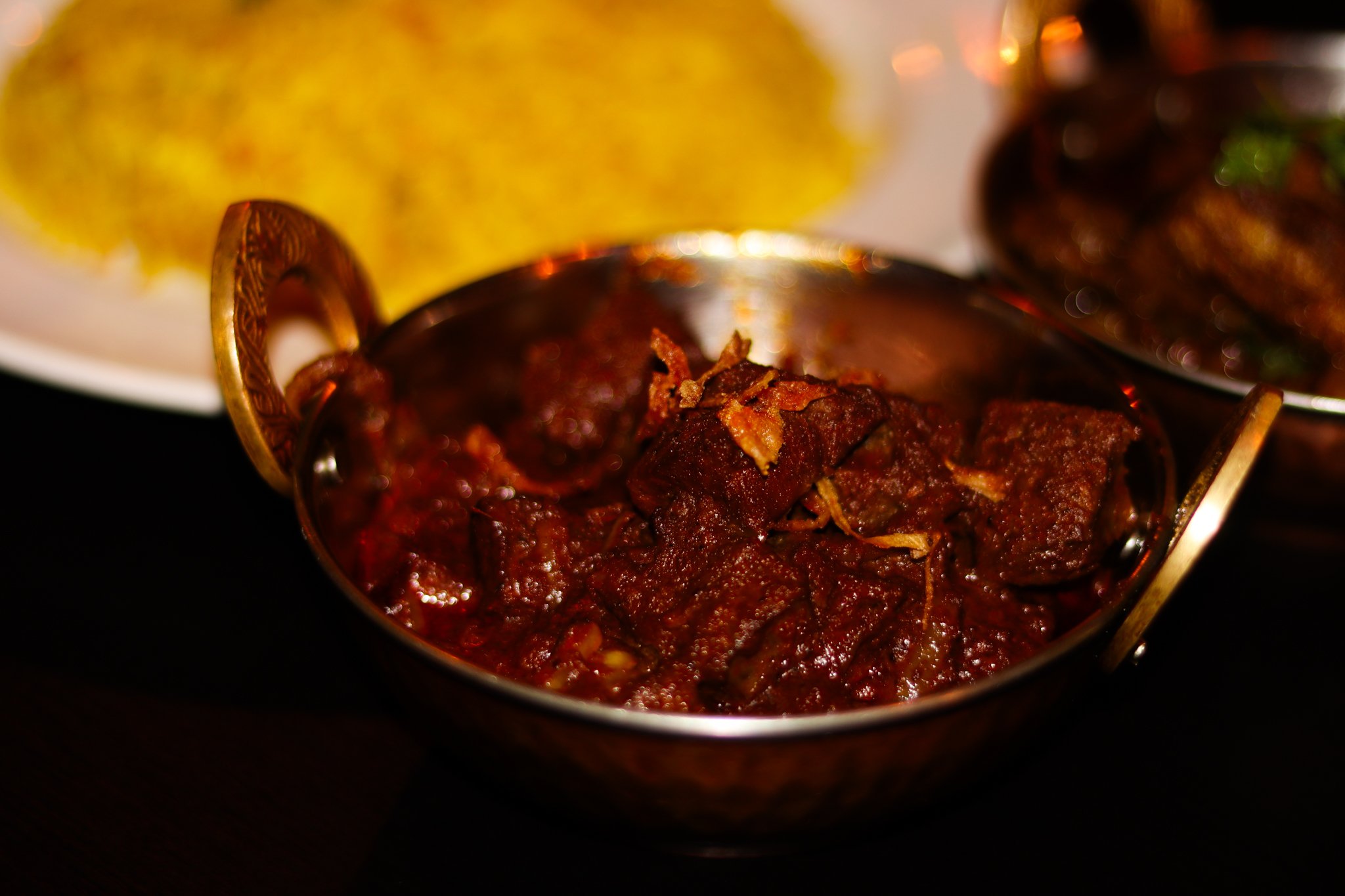
For Shoaib, the location of Masala King in BanglaTown is a deliberate choice for identity preservation. He views the neighborhood as a hub that represents the "mannerisms of Bengali people in the best possible way." By operating here, he provides a space where his children can speak Bangla and consume their heritage through food. The presence of regional delicacies like Duck Curry and Chittagong Mezban Beef acts as a form of cultural literacy, ensuring that the nuances of Bangladeshi geography are not lost in the broader Canadian "South Asian" label.
Institutionalizing Tradition
Zeba Farooque for BacharLorai
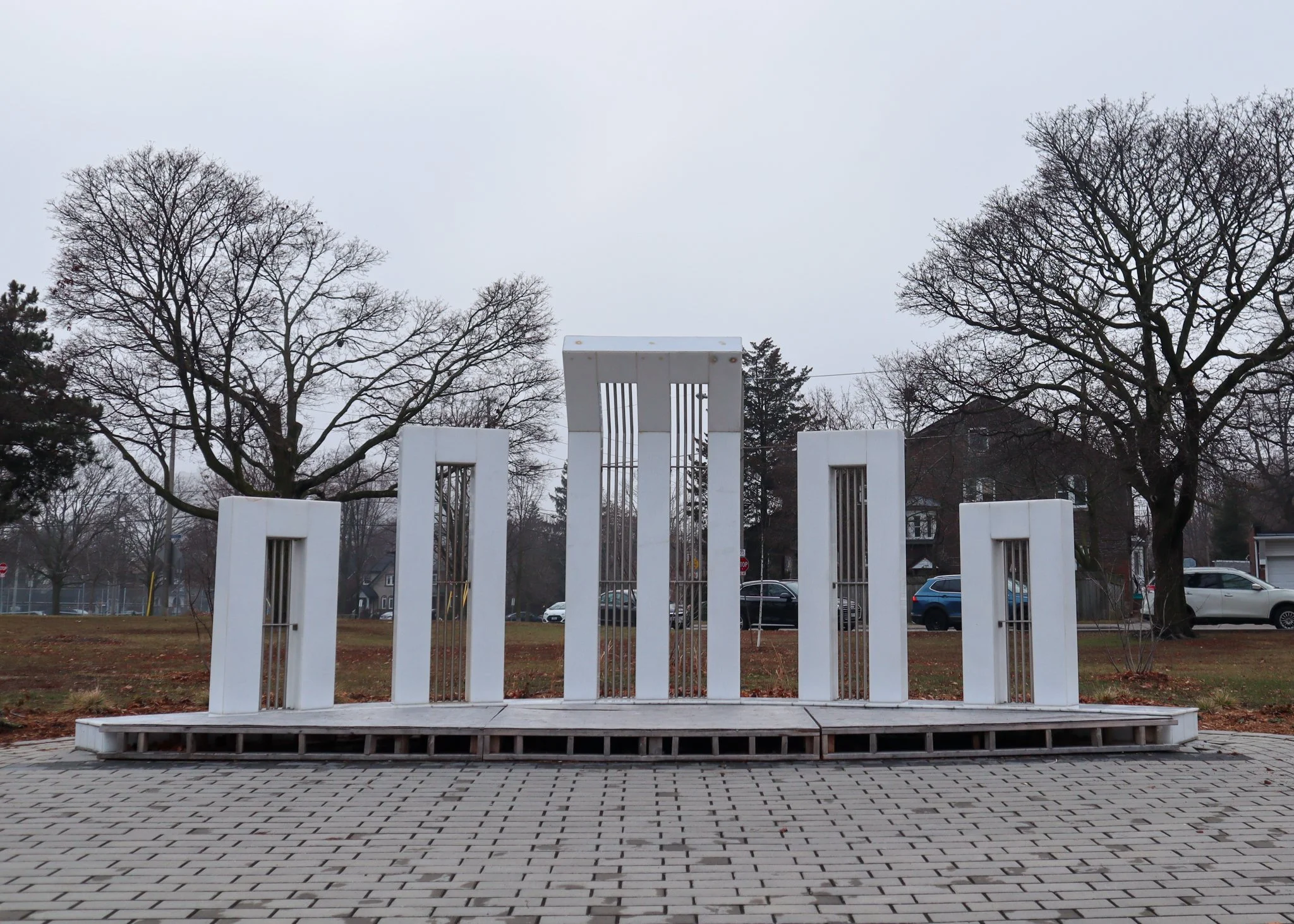
Shoaib’s perspective on BanglaTown is communal. He draws parallels to Jackson Heights in New York, viewing the Danforth as a necessary landmark for the Bangladeshi community’s growing status in Canada. To him, the growth of Masala King is tied to the growth of the community. Every Victory Day and Bengali New Year celebrated on the strip reinforces the legitimacy of the neighborhood as a recognized "hub." It is a cycle of social innovation: the community builds the hub, and the hub, in turn, builds the community’s economic and cultural confidence.
Research Insight: This ethnography reveals how Masala King functions as a model for skilled immigrant professionalization. By analyzing Shoaib's pivot from banking to hospitality, we observe a unique strategy of utilizing formal Canadian industry training (SIR Corp) to scale a minority-led business. The shift toward a "catering-friendly" structure demonstrates social innovation in ethnic business models—moving away from high-risk dine-in reliance toward a resilient, service-based economy. Furthermore, the focus on Chittagonian regionality provides essential data on how diaspora literacy is used to capture niche markets within the larger immigrant population.
The Table
Zeba Farooque for BacharLorai
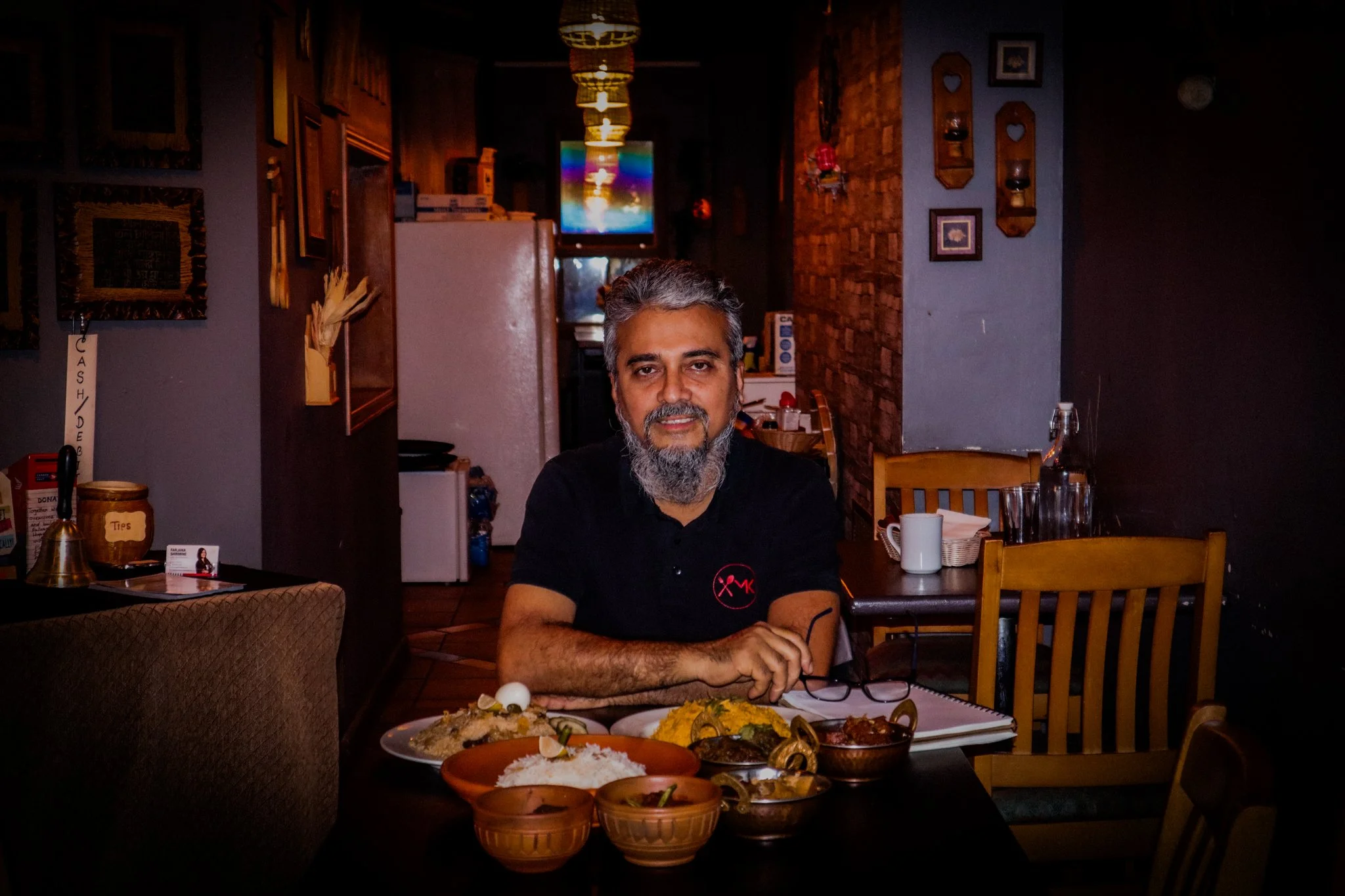
[Photo Placement 5: A Portrait of Shoaib] A portrait of Shoaib in the restaurant. The image should reflect his dual identity: the professional businessman and the community father.
Masala King is the bridge between Shoaib’s professional past and his children’s future. It is a space where a banker’s discipline meets a chef’s passion, creating a table that is as much about a brighter future in Canada as it is about the mustard-oil-soaked flavors of Bangladesh. As Shoaib says, he hopes the "community and culture grows," and Masala King is the engine he built to ensure that it does.