2622 Danforth: The Strategy of the First Mile
This ethnography was proudly funded by GLOCAL & Canada Service Corps.
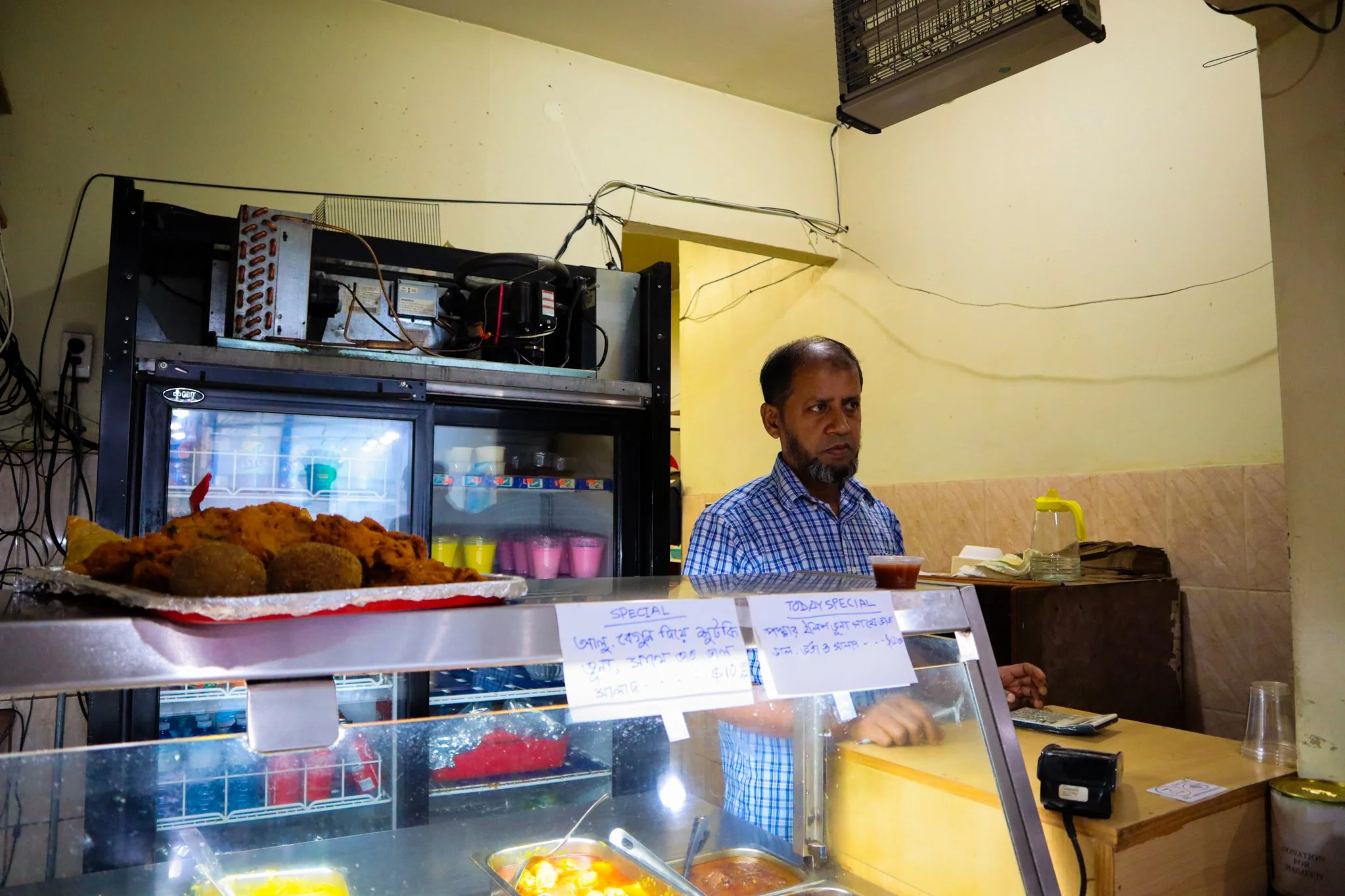
Morshed Sikder immigrated to Canada in 1993, following his sister and brother-in-law into the restaurant trade. After learning the business from the ground up, he purchased Makkah Restaurant in 1999. His journey is a testament to the "First Mile" of immigrant entrepreneurship—establishing a cultural anchor that would eventually pave the way for a whole neighborhood's identity.
Zeba Farooque for BacharLorai
Ethnography
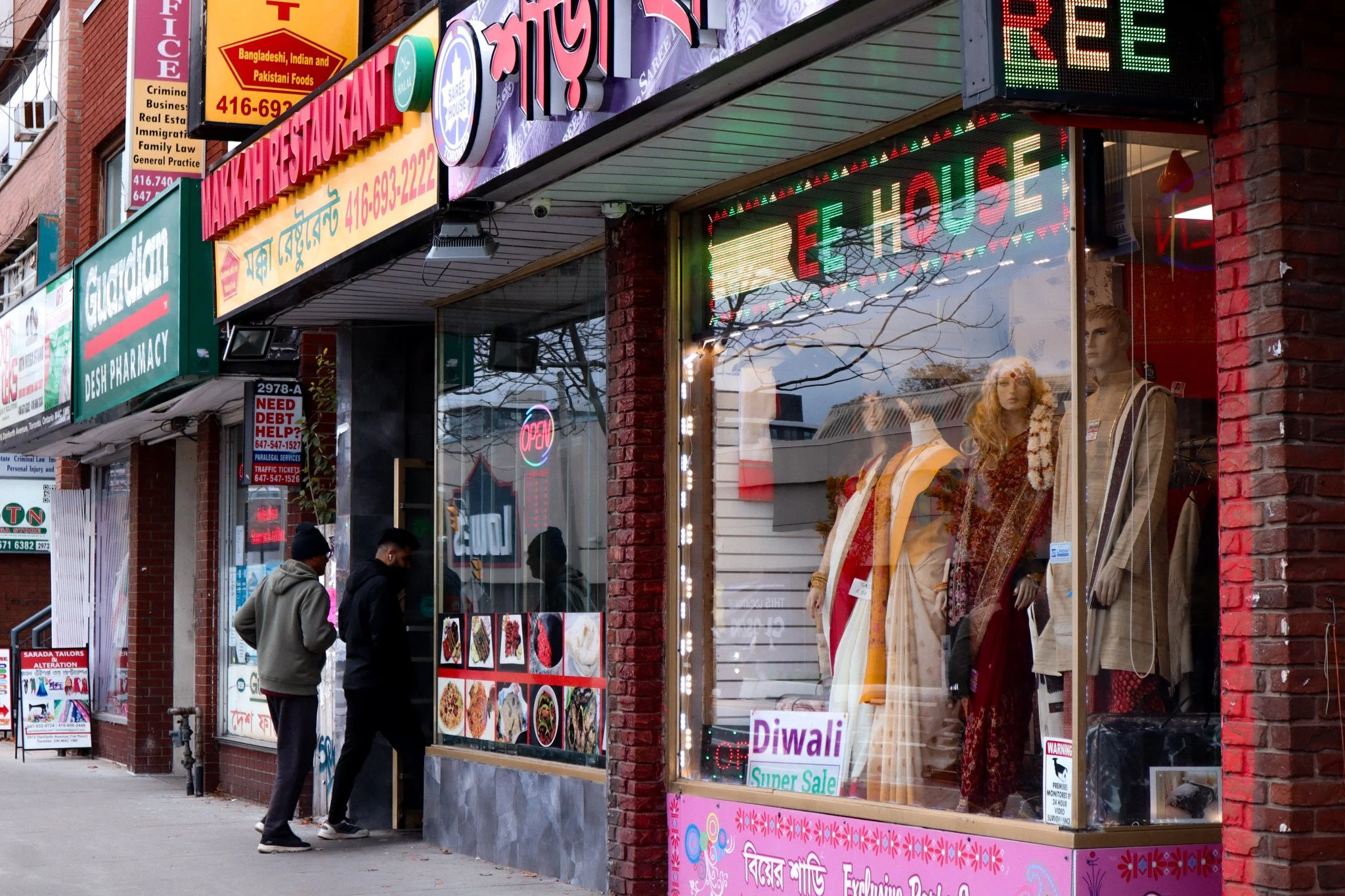
In the history of BanglaTown, Makkah Restaurant represents the "First Mile." When Morshed Sikder took ownership in 1999, the Danforth was not yet the vibrant South Asian hub it is today. Makkah was a pioneer—not just as a business, but as a claim to space. Before the official banners and municipal recognition, the presence of Makkah served as a signal to the diaspora: here, your culture is visible. Morshed’s purchase from his brother-in-law was more than a family transaction; it was an act of cultural preservation that anchored the Bengali community’s early growth in the East End.
The Clustering of Culture
Zeba Farooque for BacharLorai
Makkah’s early presence triggered what urban researchers call "clustering." Morshed notes that after opening this branch in 2000, the neighborhood began to transform. The restaurant acted as a primary beacon, drawing in other entrepreneurs who realized that where there is a shared table, there is a community. Slowly, the Greek and Italian storefronts were joined by shops for clothing, jewelry, groceries, and books. This is a profound example of organic urban innovation—where a single minority-led anchor provides the gravity for an entire economic ecosystem to form.
"We were one of the first restaurants to open on this strip. A lot of Bengali community gentrification happened after opening Makkah restaurant’s branch here in the year 2000... Now this feels like a community, this feels like Bangladesh." — Morshed Sikder
The Sensory Language of Maach and Bhaat
Zeba Farooque for BacharLorai
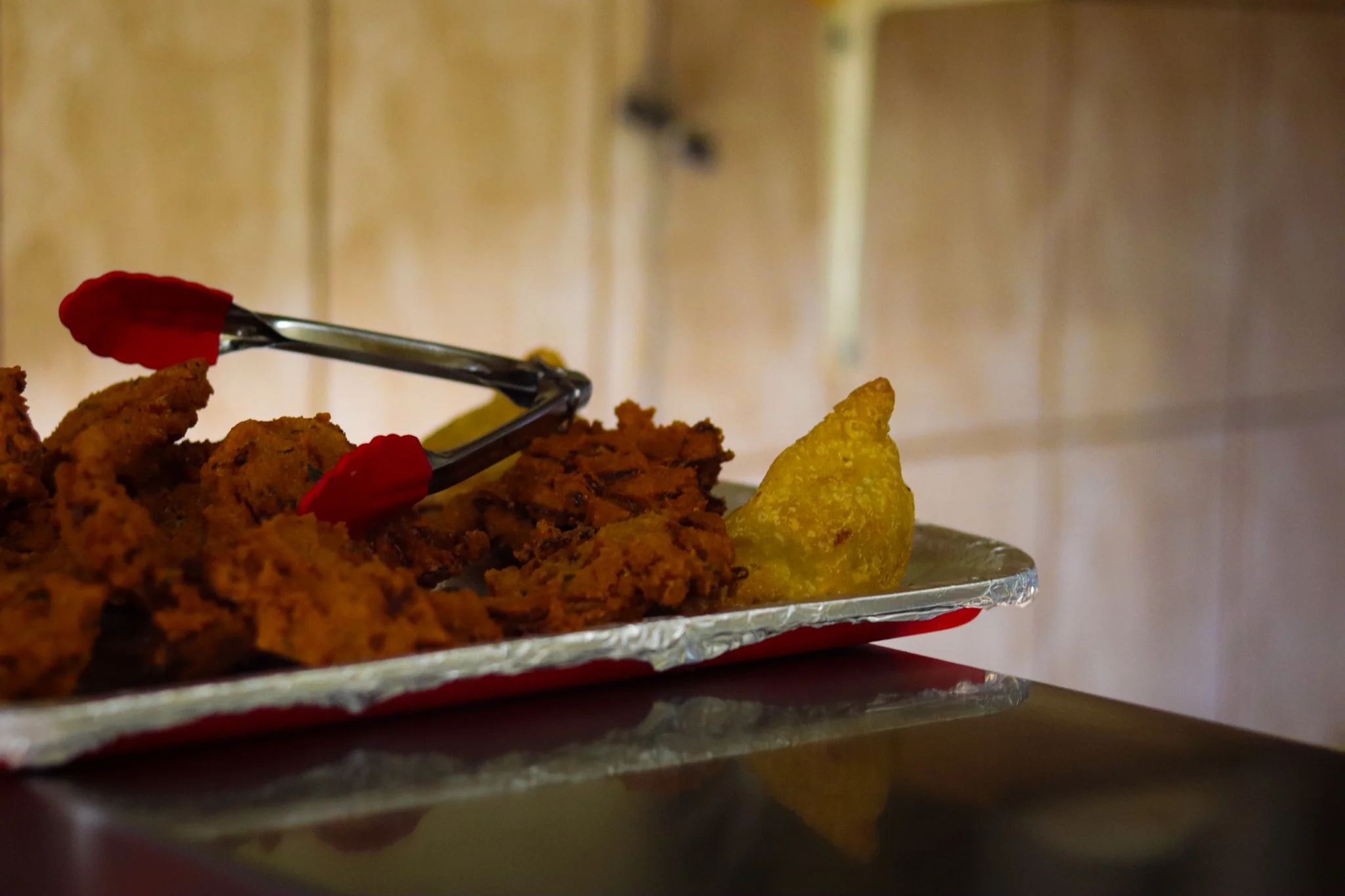
For Morshed, the authenticity of the food is a non-negotiable link to the motherland. The menu at Makkah, dominated by maach (fish) and bhaat (rice), serves as a communal baseline. While items like Bhuna Khichuri and Kacchi Biryani are the top sellers, the demand for traditional fish dishes remains the heartbeat of the restaurant. This preference isn't just about taste; it is a form of diaspora literacy. It represents a shared understanding of what constitutes "home," allowing the restaurant to maintain a loyal clientele for over two decades without the need for modern marketing.
Preserving the Legacy through Celebration
Zeba Farooque for BacharLorai
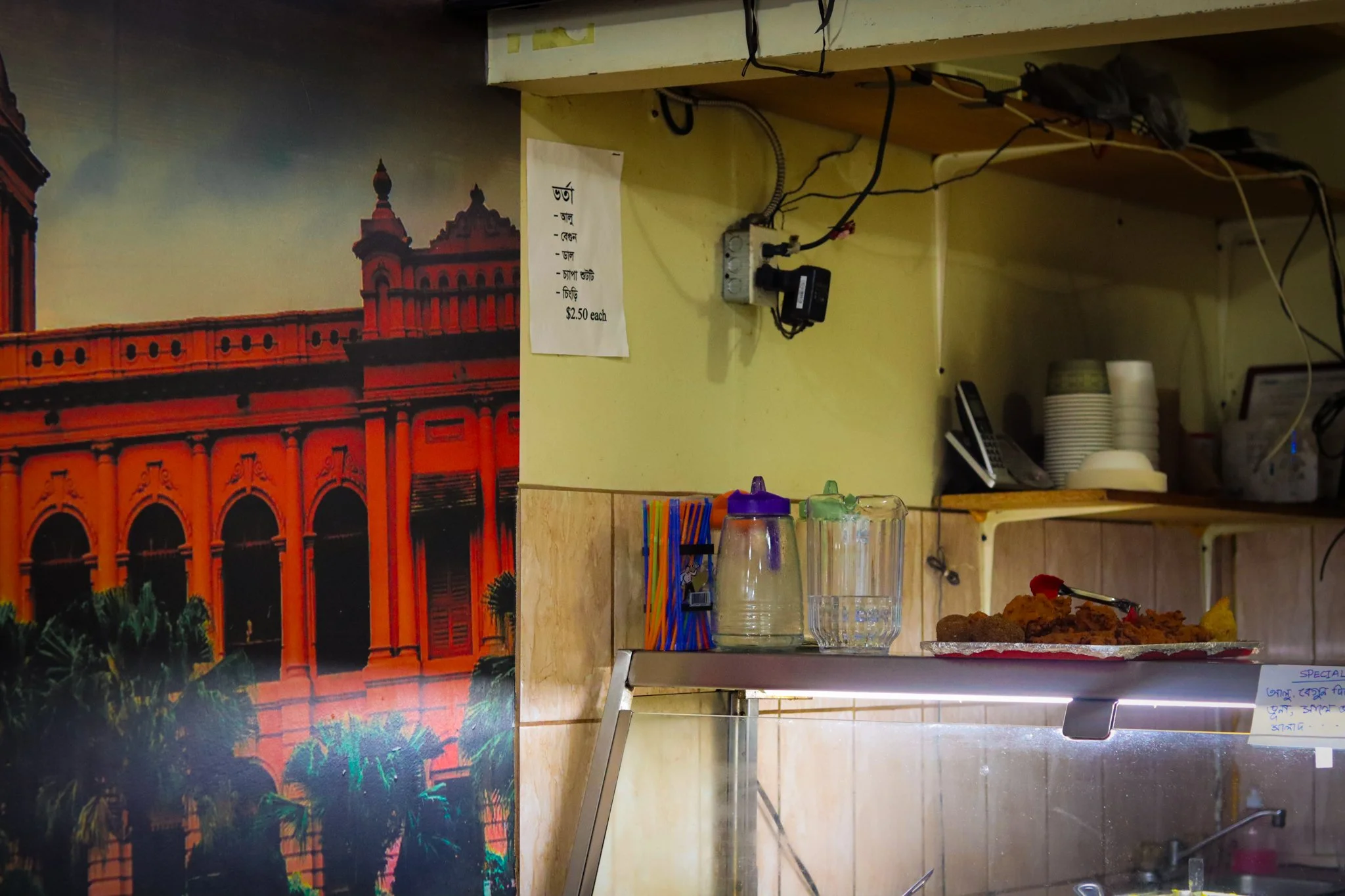
The evolution of Makkah is inseparable from the evolution of the Danforth itself. Morshed describes how the community eventually grew strong enough to close down the entire strip for a Bangladeshi festival right before the pandemic hit. This represents the ultimate negotiation of urban space. When a minority community moves from operating behind storefronts to claiming the streets for a festival, it signifies a maturation of social and political presence. Makkah didn't just survive the gentrification; it defined it.
Research Insight
This ethnographic profile identifies Makkah Restaurant as a "first-mile anchor," proving that minority-led businesses are often the primary engines of urban gentrification and diversification. The study highlights a successful succession strategy—moving from family-owned apprenticeships to formal ownership—that mitigates the unique barriers faced by immigrant entrepreneurs. Furthermore, Makkah’s role in catalyzing the "clustering" of jewelry and bookshops provides a high-frequency indicator of social innovation, demonstrating how a single hospitality anchor can generate the social density required to sustain a broader, non-food economic ecosystem.
The Anchor
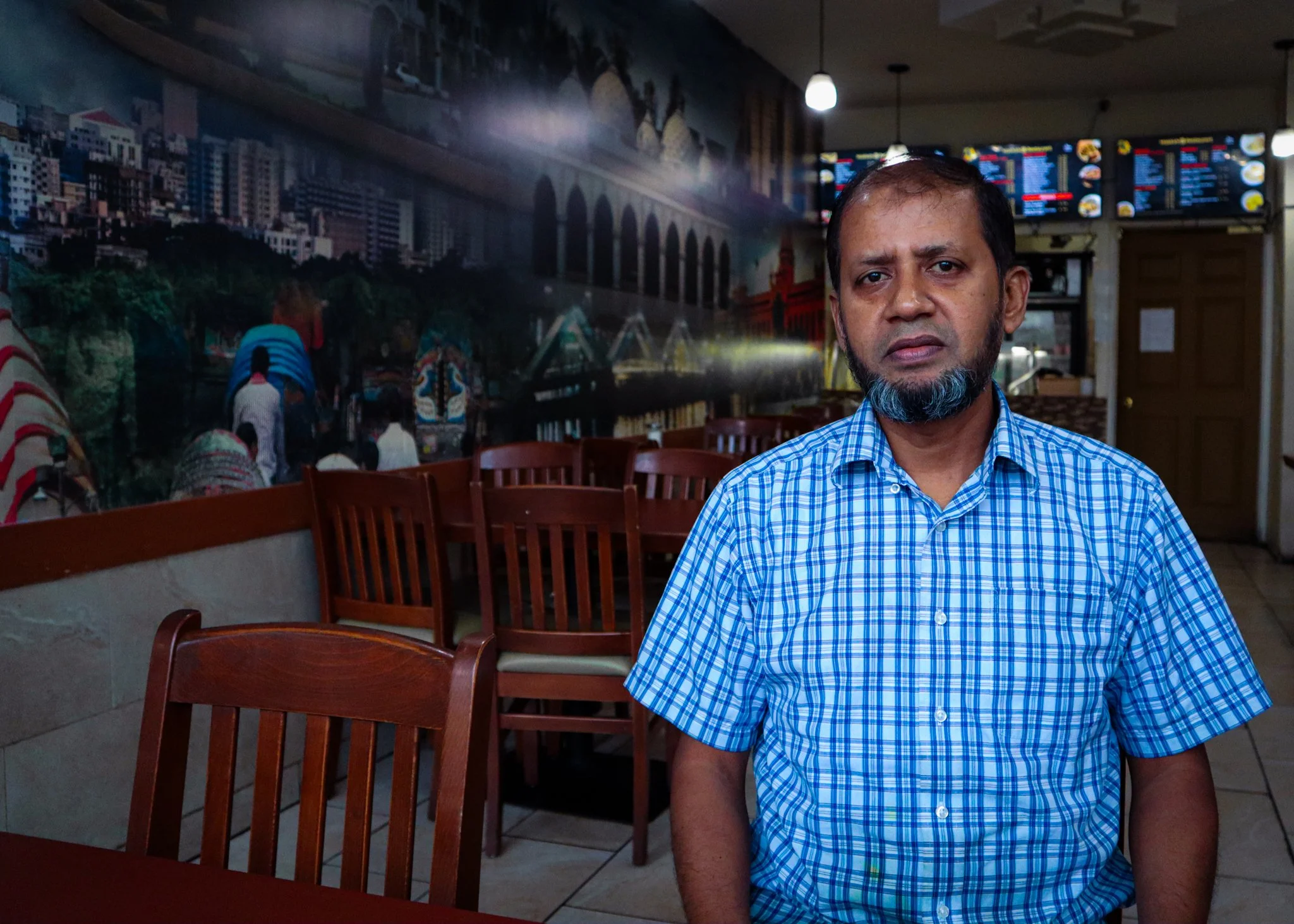
Zeba Farooque for BacharLorai
As BanglaTown continues to grow, Makkah Restaurant remains its steady pulse. Morshed’s vision was always to express culture through food, and in doing so, he helped build a neighborhood that now "feels like Bangladesh." While the Danforth neighborhood plays a key role in upholding the legacy of the motherland, it was the pioneers like Morshed who first proved that you could build a future in Canada by staying true to the traditions of the past.