

Impact Social
London III
AI Edition
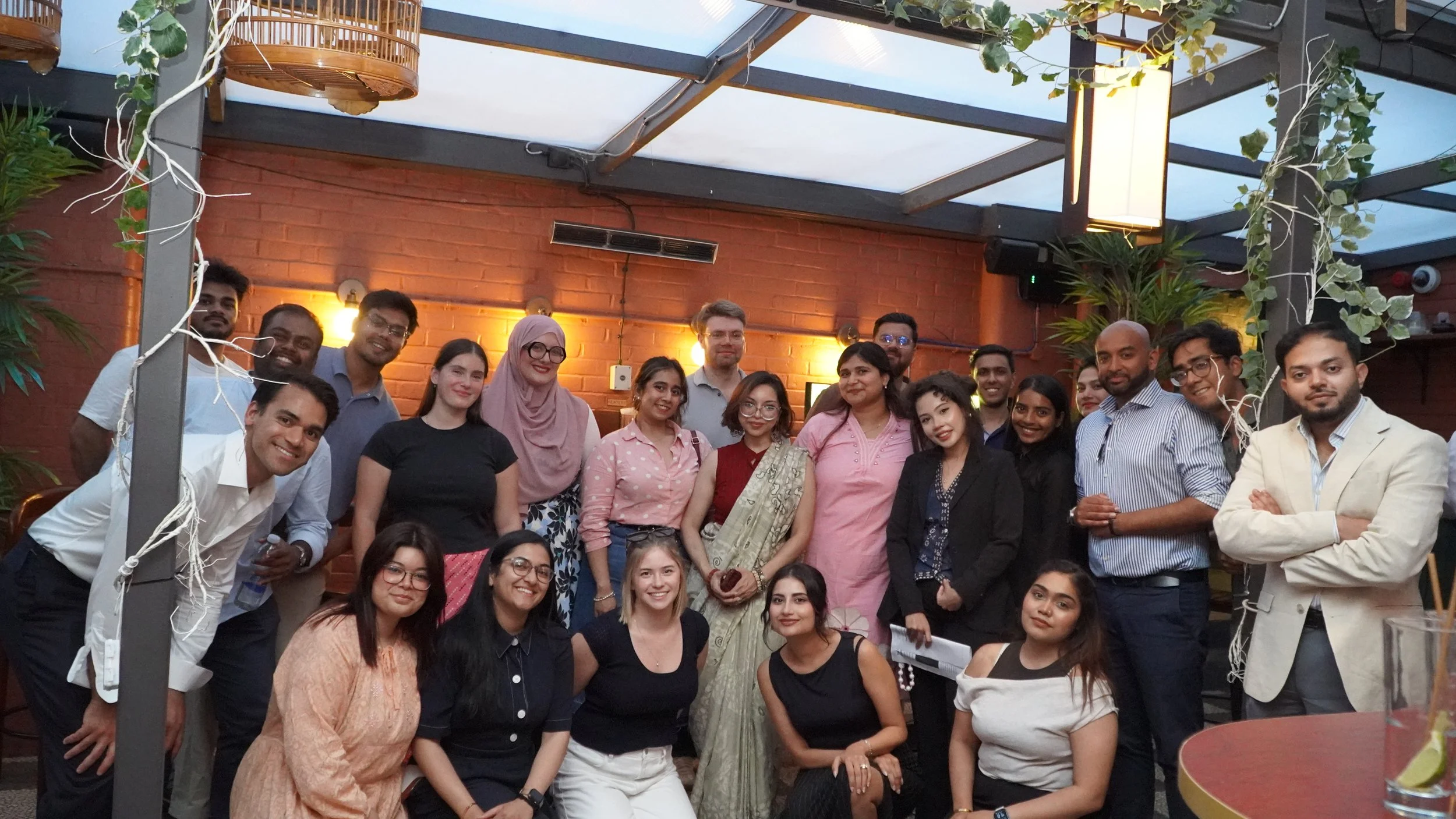
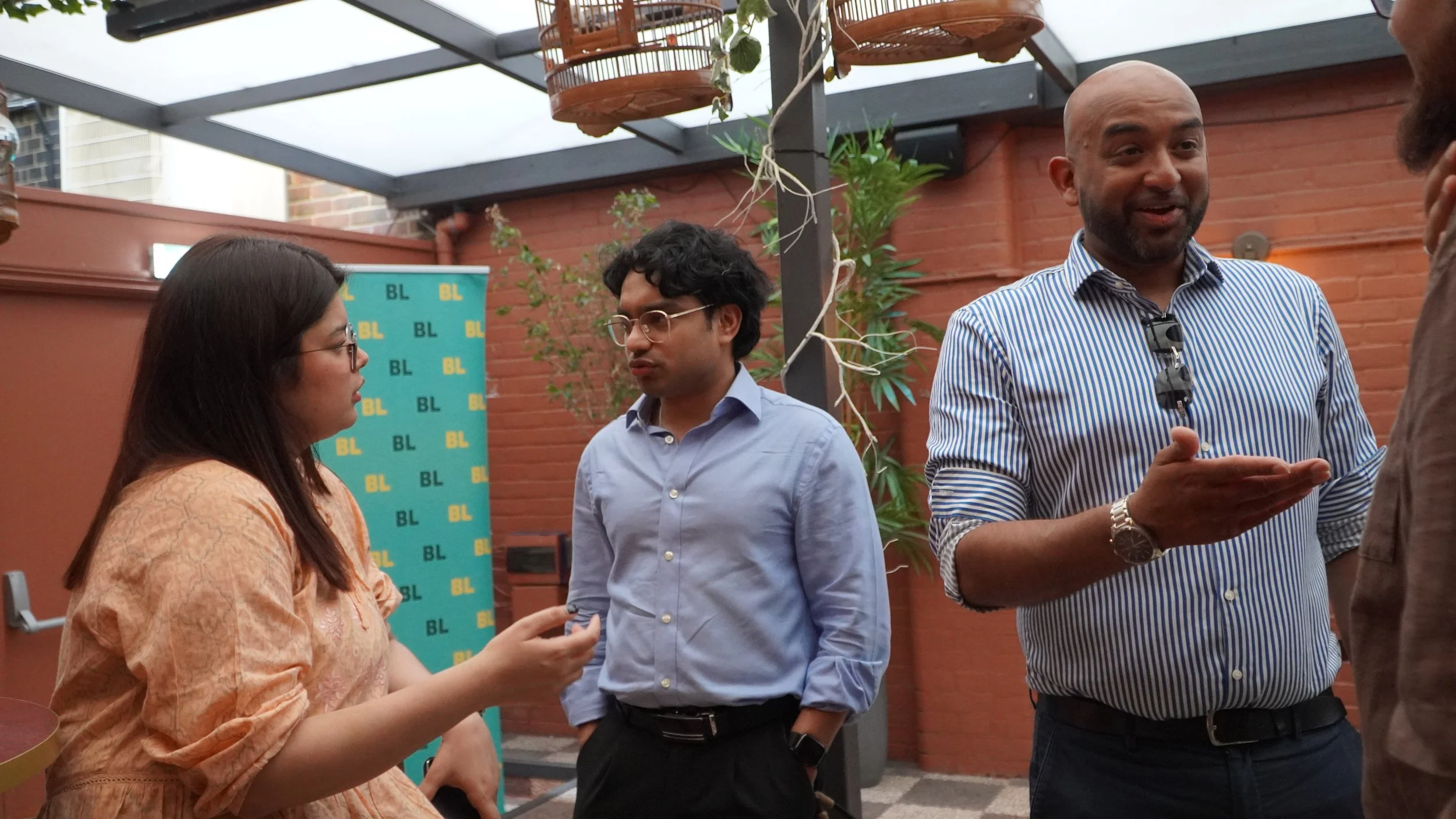
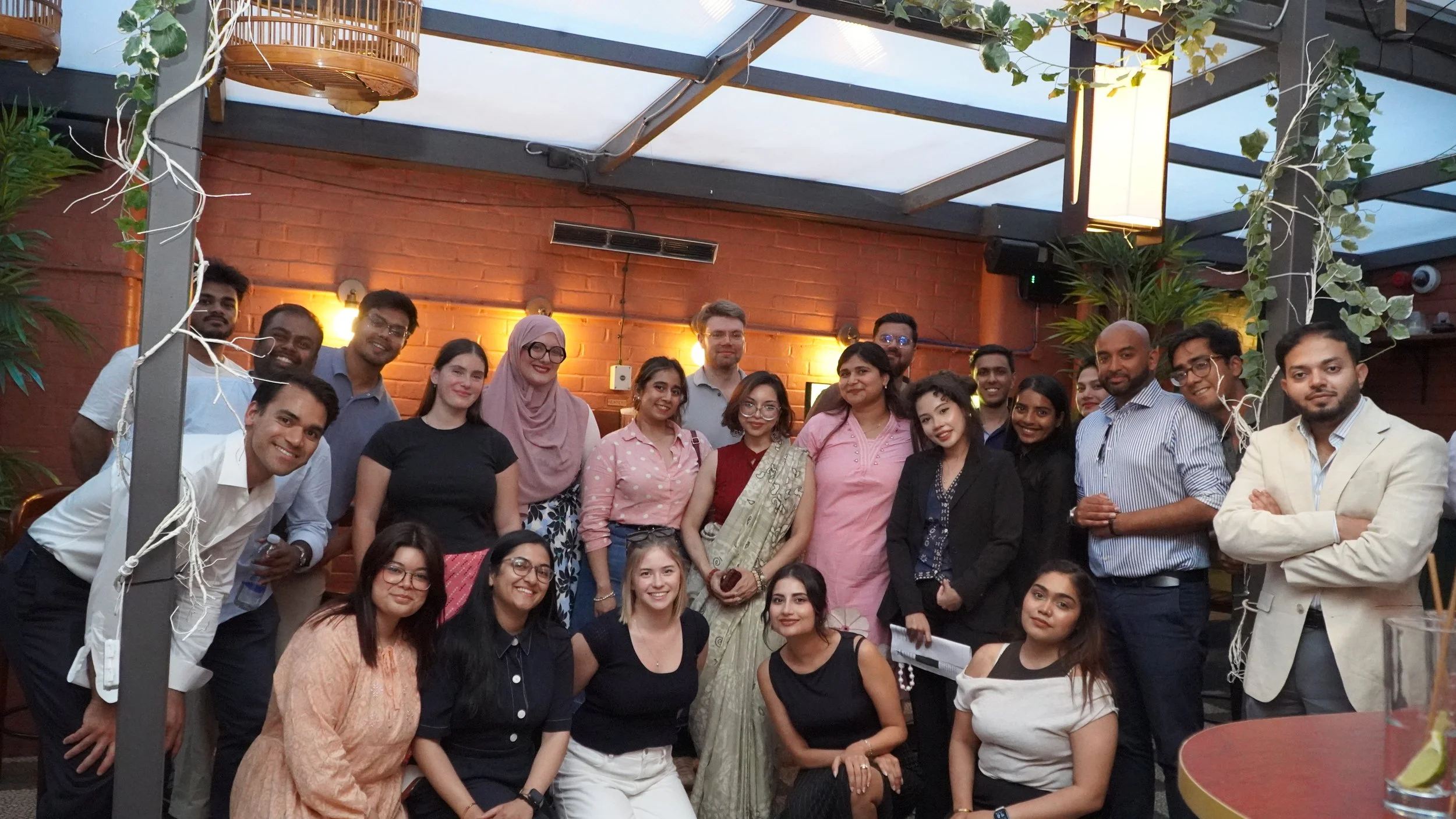
BacharLorai Global took over London on 29 July 2026 for the third Impact Social in London, bringing together young professionals, policy thinkers, and community change makers for an evening of lively debate, deep insights, community building & networking.
30
Attendees
4
Industry Experts














The Conversation
This edition tackled one of the most pressing questions of our decade: Who benefits from AI, and who gets left behind?
This isn't an abstract debate. From garment workers stitching clothes across global supply chains to young graduates searching for their first career opportunity, AI is reshaping livelihoods right now. Our panel brought together clinical, commercial, public sector, and grassroots community perspectives to argue out what it takes to ensure emerging technologies build an equitable future rather than widening the divide.
Zarin Haque
AI, Consumer Behaviour & Commercial Strategy Specialist, Proctor & Gamble
“What AI does is raise the baseline. It takes something below average and makes it better. Because of that, people get scared, because to stand out in a world of AI, you need to get better at what you do and bring your own personality on top of it. AI does the groundwork, but the delivery - how you convey it and the connections you build - comes from your own human perspective.”
Dr. Guy Parsons
Technology Lead, Wellcome Trust
Chair, WHO Expert Group on Clinical AI Evaluation
“So perhaps with time we can start trusting it. It has been said that it is not humanely possible for doctors to keep up with the level of medical advancements occurring right now so these (AI) models would be very helpful in keeping up with these advancement.”
Salma Hussian
Public Sector Data & Responsible AI Specialist
Top 100 Influential Muslims in Europe 2024
“….But I think the other thing is — we're in a bubble here. Everyone in this room is interested in AI. Most people don't know how to use it; most people just paste everything in and events like this is what helps build momentum to get people to try using AI ”
-
Medical AI cannot simply be exported from a London teaching hospital to a rural clinic; evaluating localized performance and infrastructure readiness is crucial.
-
Ethical AI building requires moving beyond intent to changing the financial and strategic metrics that govern corporate decision-making.
-
When public bodies adopt automated decision-making, transparent communication with affected communities must happen before deployment, not after.
-
Tech governance isn't just for software engineers—policy researchers, auditors, clinicians, and community organizers all play a vital role.
Key Takeaways
Impact Social Team
-
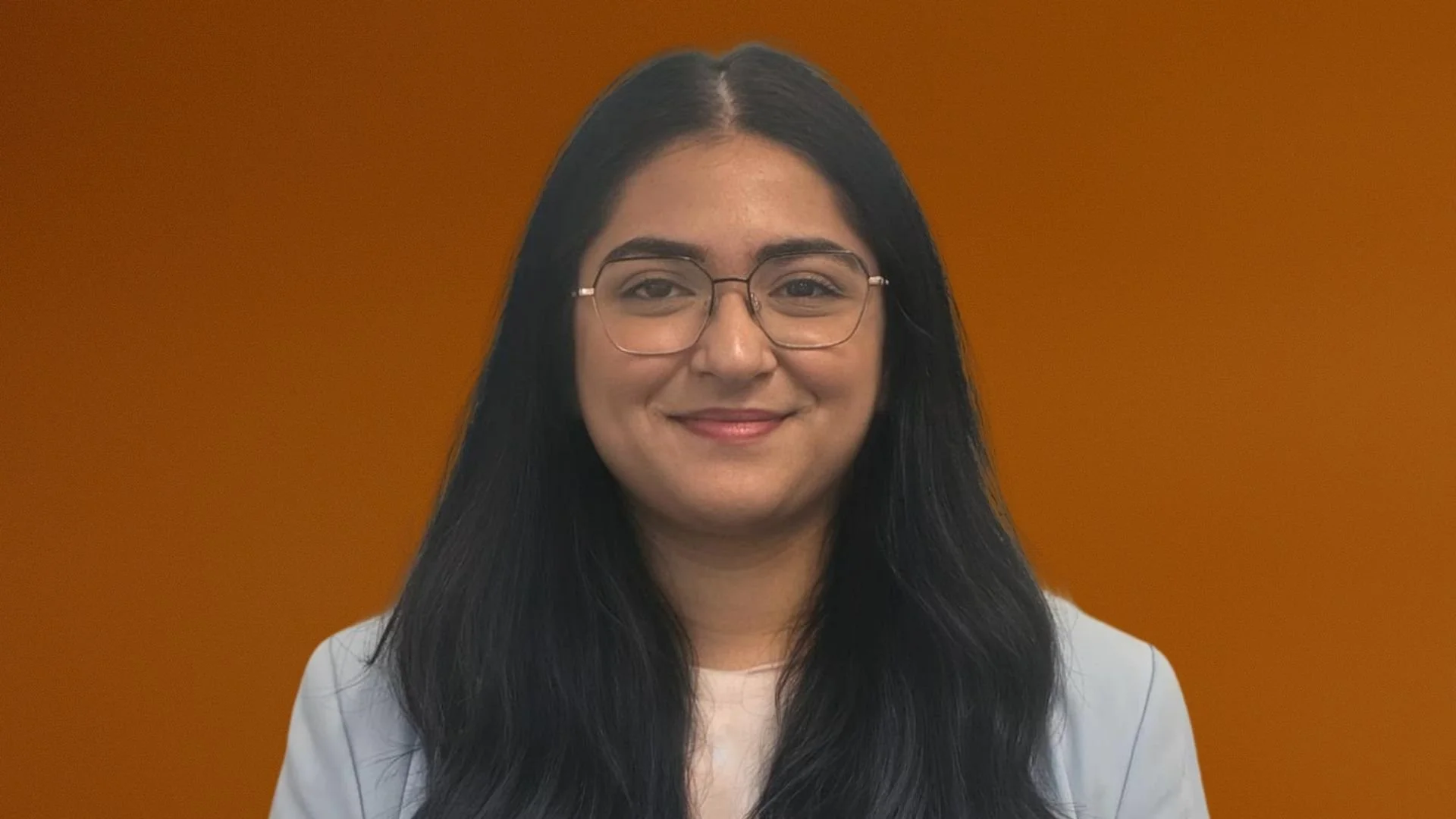
Nusaiba Masnurah
Manager, Impact Social
-

Zarif Rahman
Manager, Impact Social