
Community
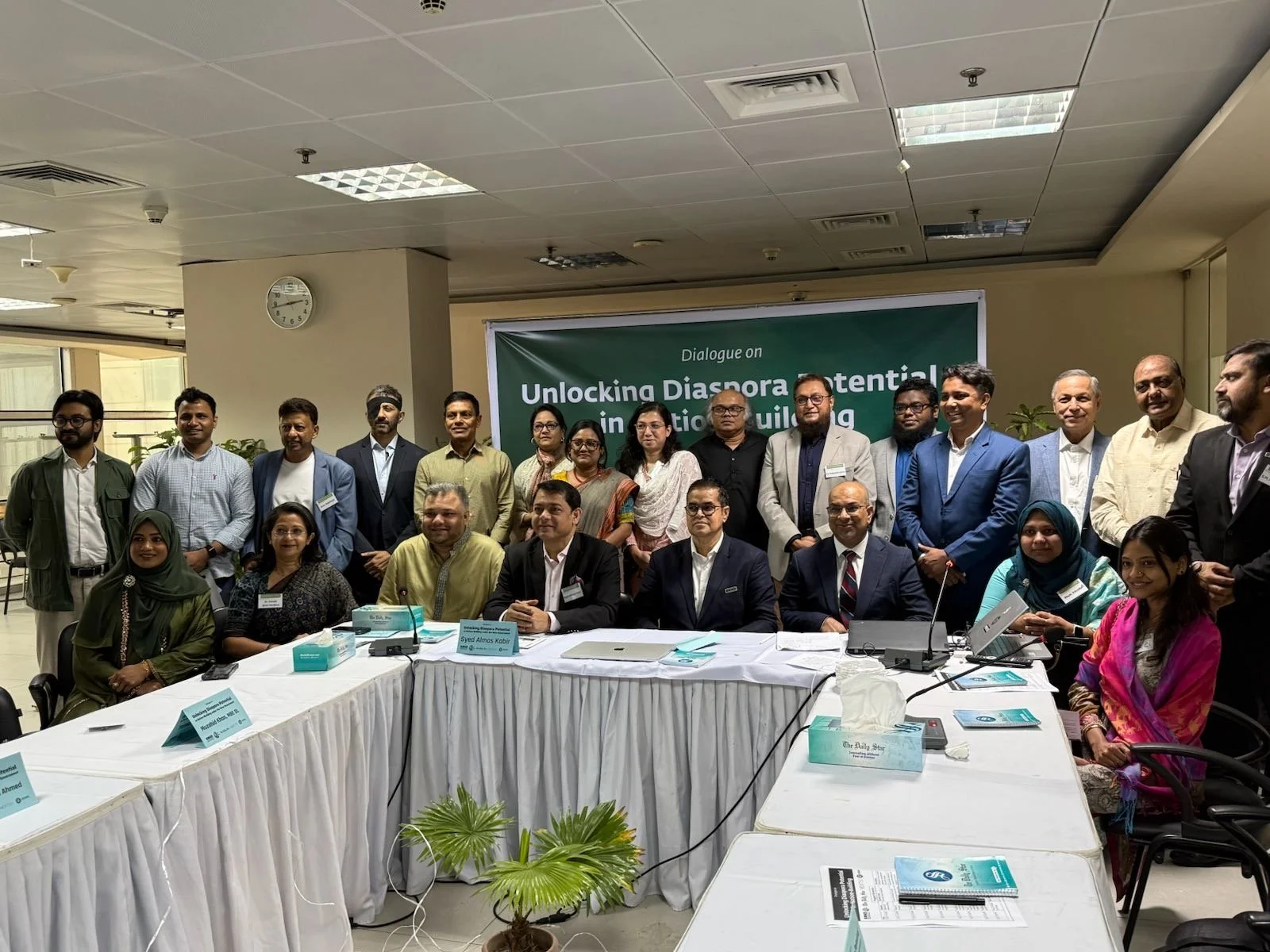
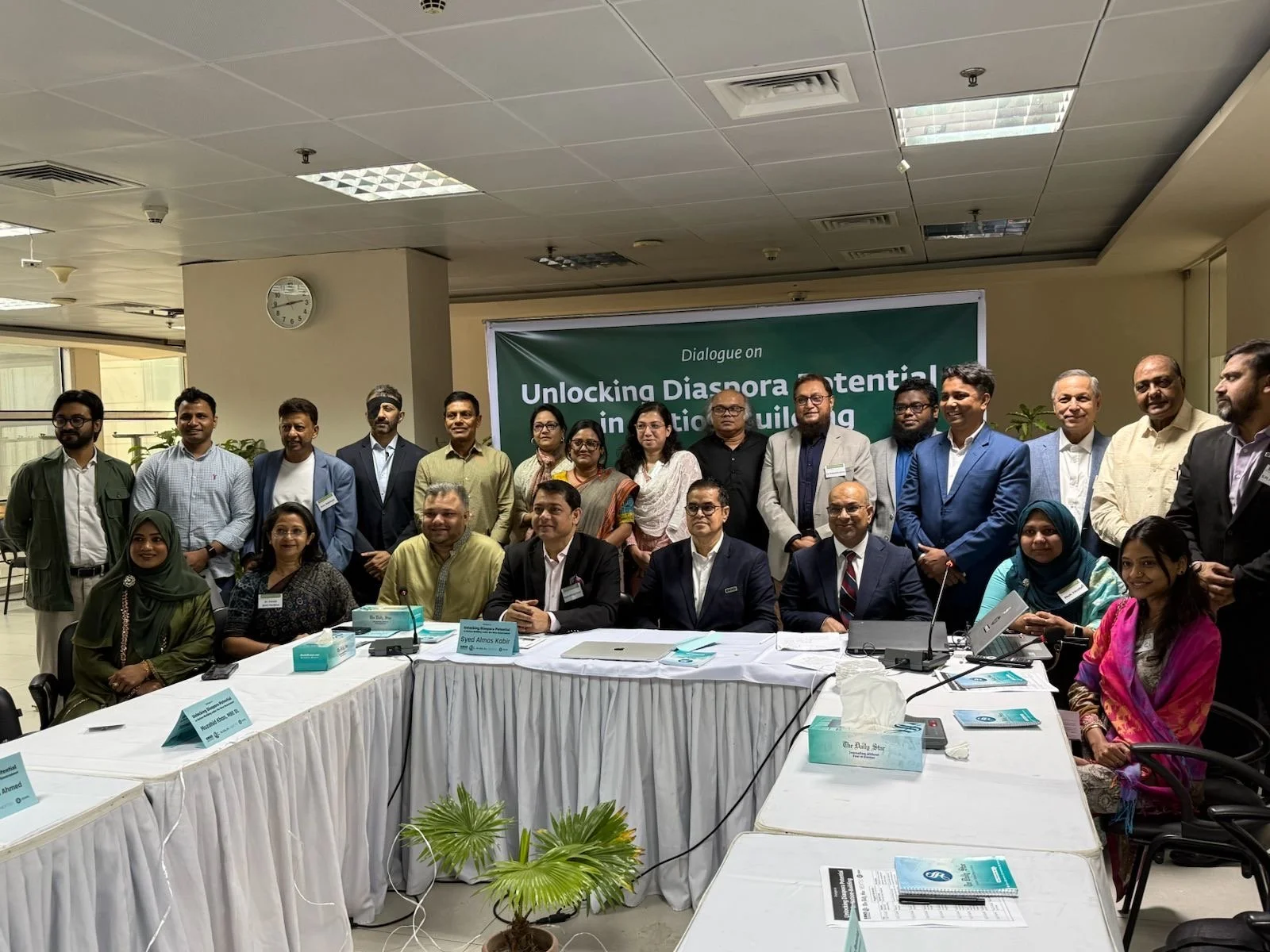
Unlocking Diaspora Potential in Nation-Building
25 participants representing different government agencies & stakeholder groups contributed to the effective strategic discussion on reforming diaspora strategy for Bangladesh.
February 28, 2026
The Daily Star, Dhaka
Representations
-
BacharLorai Global
UK Diaspora Representatives
Federation of Bangladeshi Associations in North America (FOBANA)
Bangladesh Overseas Network for Development (BOND)
Billions for BD
-
Bangladesh Investment Development Authority (BIDA)
Ministry of Finance, People’s Republic of Bangladesh
Bangladesh Economic Zones Authority (BEZA)
University Grants Commission (UGC)
-
Oxfam Bangladesh
Hera Foundation (UK)
Migrant Worker NGOs
-
BASIS
Quazi Consultants
Better Stories Ltd
Belabreaga
-
The Daily Star
Narrative Bangladesh
-
MillionX Bangladesh
Billions for BD
Independent Policy & Development consultants
-
Club JCI
The Conversation
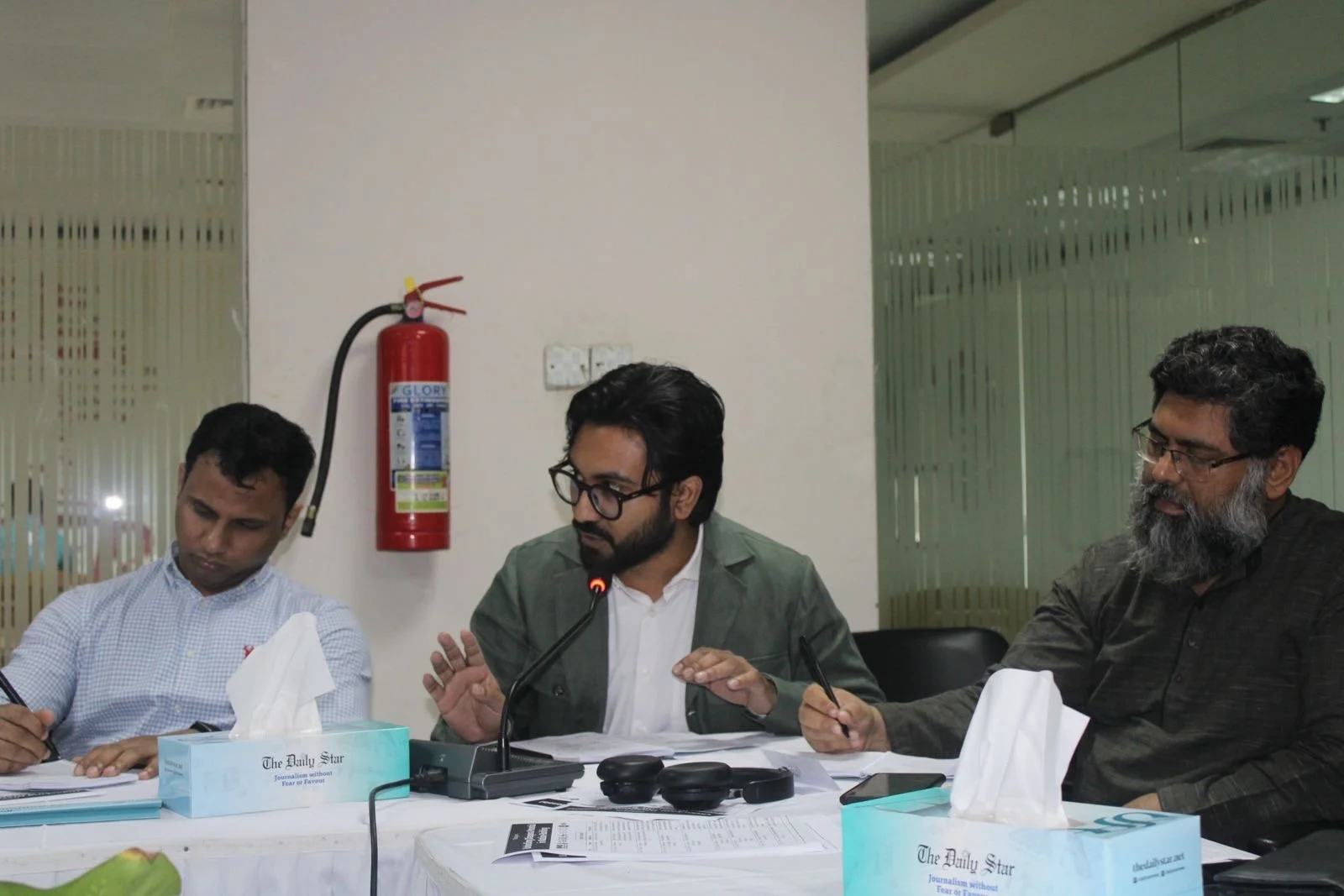
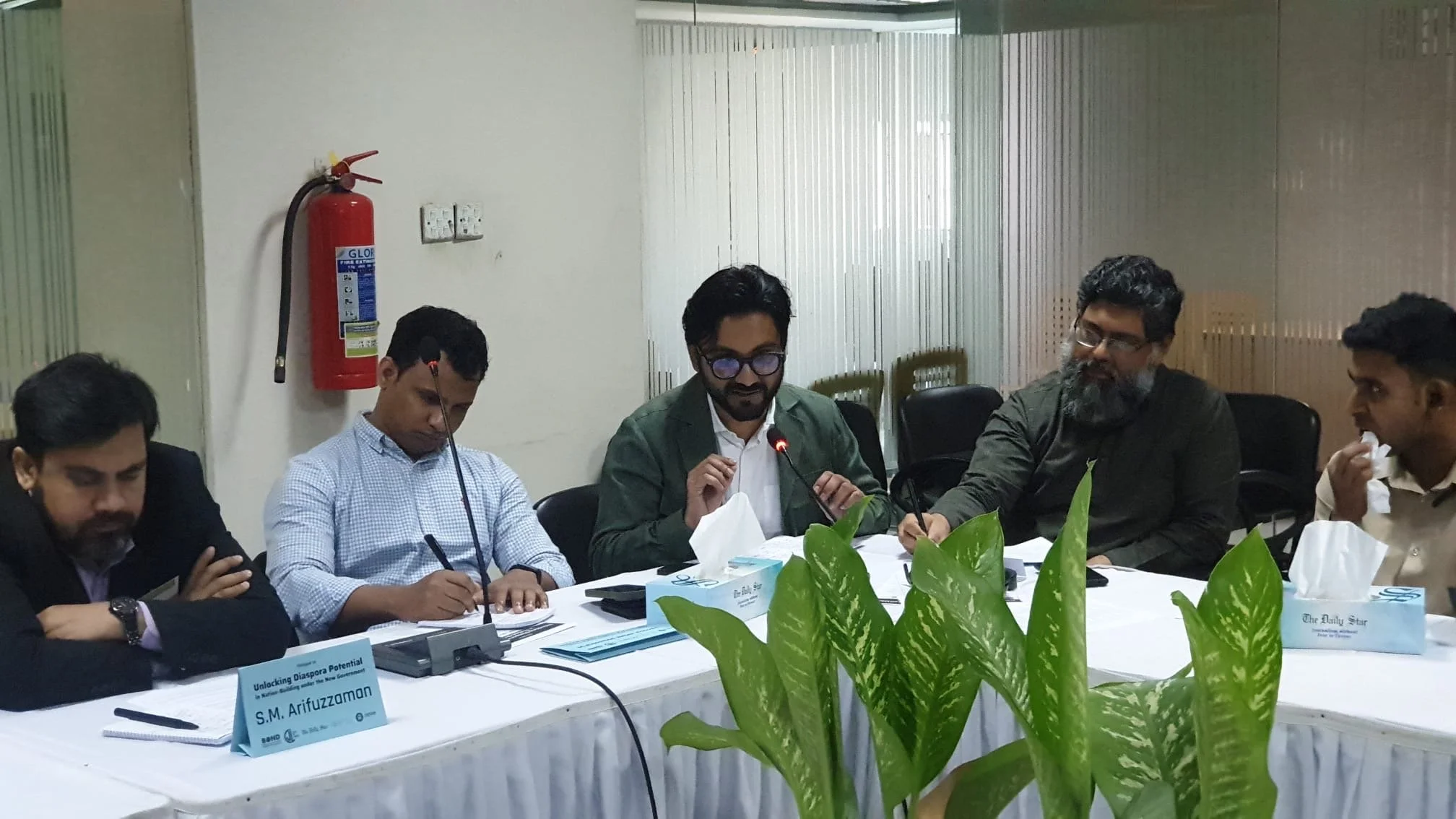
The roundtable aimed to transition diaspora engagement from a remittance-centric model toward a permanent, institutionalized architecture that integrates global expertise, youth leadership, and regulatory reform into Bangladesh’s national development.
-
The conversation moved beyond remittance flows and focused on:
Structured participation mechanisms
Reintegration policies
Recognition of overseas-acquired skills
Government involvement for scale and legitimacy
There was consensus that diaspora engagement must be systematic, not personality-driven.
-
Repeatedly raised issues:
NGO Bureau licensing complexity
Bank account opening challenges
Structural hurdles for internationally recognized nonprofits operating domestically
Trust and governance gaps
This became one of the most engaged parts of the session, particularly when youth-facing, globally recognized nonprofit experiences were shared.
-
Discussion focused on:
Investment zones
Reintegration policy
Recognition of formal training
IT and finance-focused operational orientation
Introduction of Bangla Biz platform
B2B matchmaking facilitation tools
Need for foreign investment
Diversification of manufacturing
Investor facilitation mechanisms
Need for structured dialogue platform
-
Curriculum design reform
Inclusion of foreign academics
AI workforce acceleration
Positioning Bangladesh as a global talent brand
-
Bangladesh requires stronger international brand identity
Narrative framing influences investment and diaspora confidence
Media and storytelling platforms are central to repositioning
Organizers




SDG Alignment
-
Achieve higher levels of economic productivity through diversification, technological upgrading and innovation, including through a focus on high-value added and labour-intensive sectors.
-
By 2020 [extended to 2030], substantially reduce the proportion of youth not in employment, education or training.
-
Strengthen the capacity of domestic financial institutions to encourage and expand access to banking, insurance and financial services for all.
Context
As Bangladesh approaches its scheduled graduation from Least Developed Country (LDC) status in November 2026, the transition from a remittance-dependent economy to a knowledge-based one has become a national priority. This event is a critical intervention in shifting the diaspora narrative from "passive donors" to "strategic architects" of nation-building. By convening stakeholders from BIDA, the Ministry of Finance, and diaspora & global leadership platform like BacharLorai Global, the dialogue directly addresses the "brain drain" by creating institutional pathways for "brain gain." In a post-LDC landscape, traditional aid is receding, making the diaspora’s role in Foreign Direct Investment (FDI), technology transfer, and AI workforce acceleration essential for economic resilience. Furthermore, by tackling systemic "analog" hurdles this discussion lays the groundwork for a transparent, governance-driven ecosystem. Ultimately, institutionalizing these global-local partnerships is the only way for Bangladesh to bridge its middle-management gap and diversify its manufacturing beyond the existing sectors.