
Community
Humber: Research Unplugged
At A Glance
-
“Canada needs applied research now more than ever. As we navigate rapid technological disruption, we need research that is fast, collaborative, and anchored in solving real-world challenges.”
— Dr. Ann Marie Vaughan, President & CEO, Humber Polytechnic
-
80 Attendees
-
December 11, 2025
-
SDG 17: Partnerships for the Global Goals
-
Humber Polytechnic
Impact
Overview
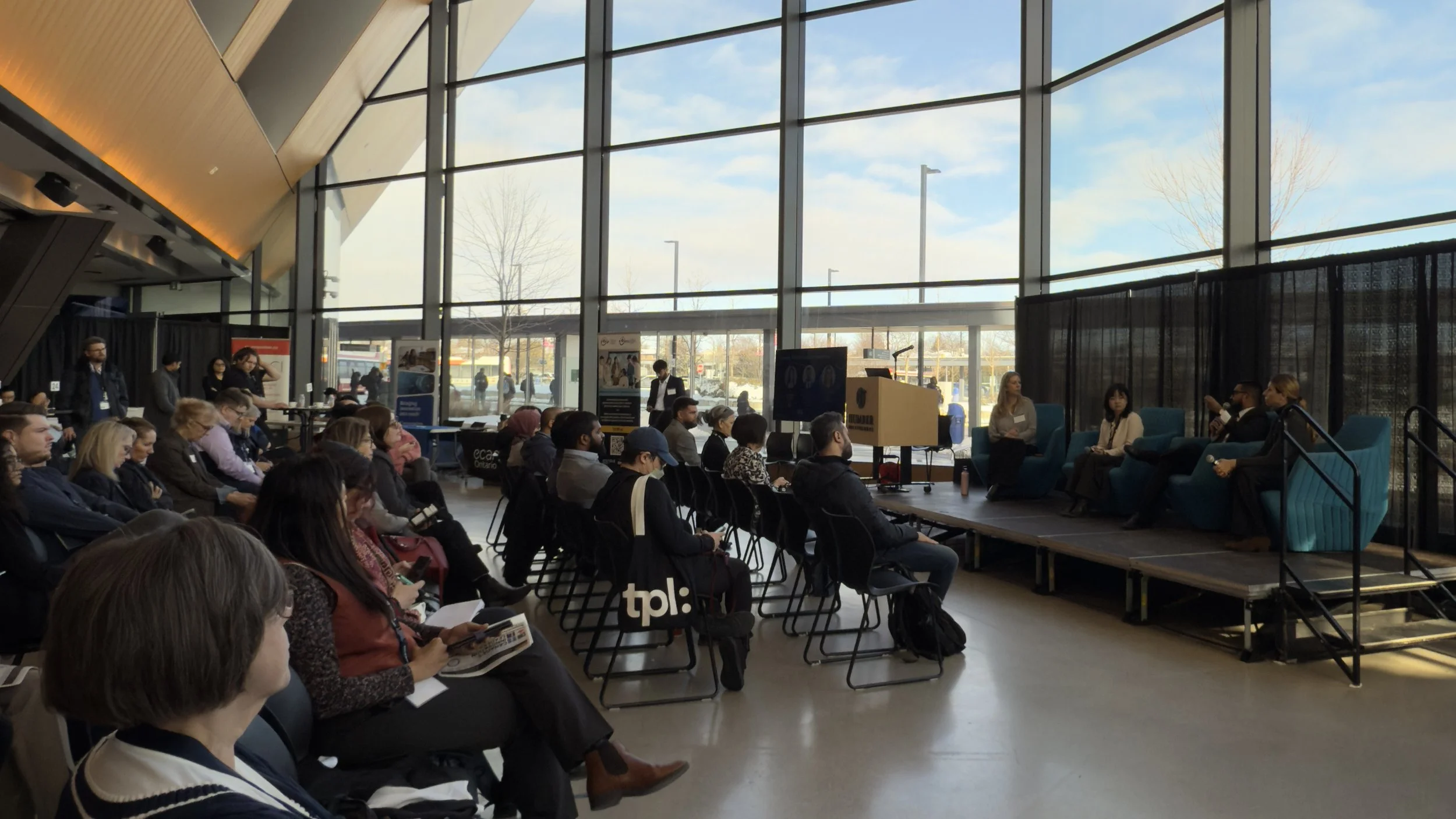
BacharLorai joined Humber Polytechnic for their inaugural Research Expo, Research Unplugged, to explore the synergy between community-led think tanks and academic institutions. Through a high-level panel discussion, BacharLorai showcased how its research—ranging from period poverty to AI governance—serves as a "test bed" for real-world policy application. The collaboration emphasized the need for "translatable" data that moves beyond citations to impact the lives of diaspora communities
Our partners


Delegates
Anil Wasif, Director of Management, BacharLorai
Aditi Zahir, Director of Policy Research, BacharLorai
Speakers
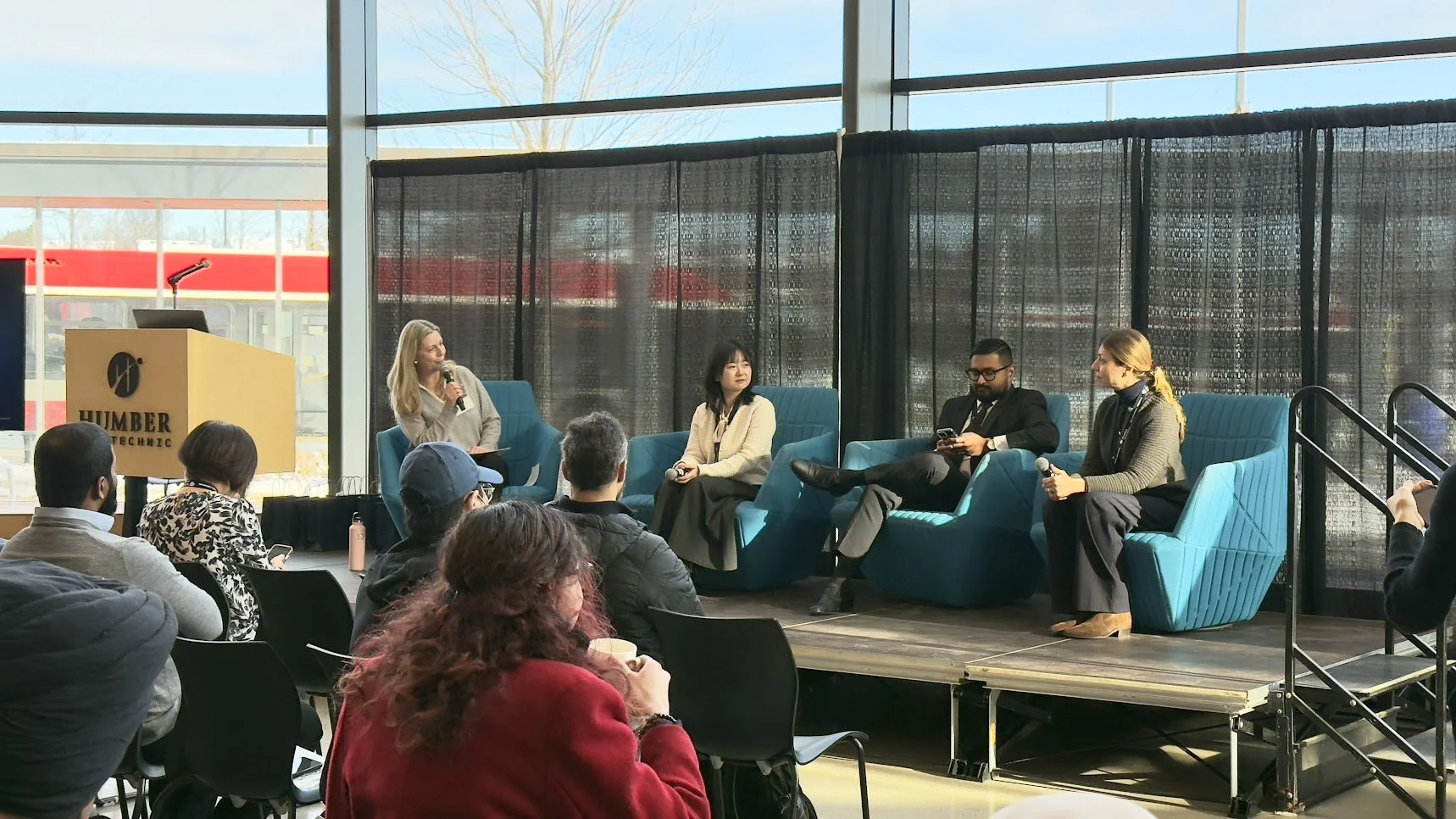
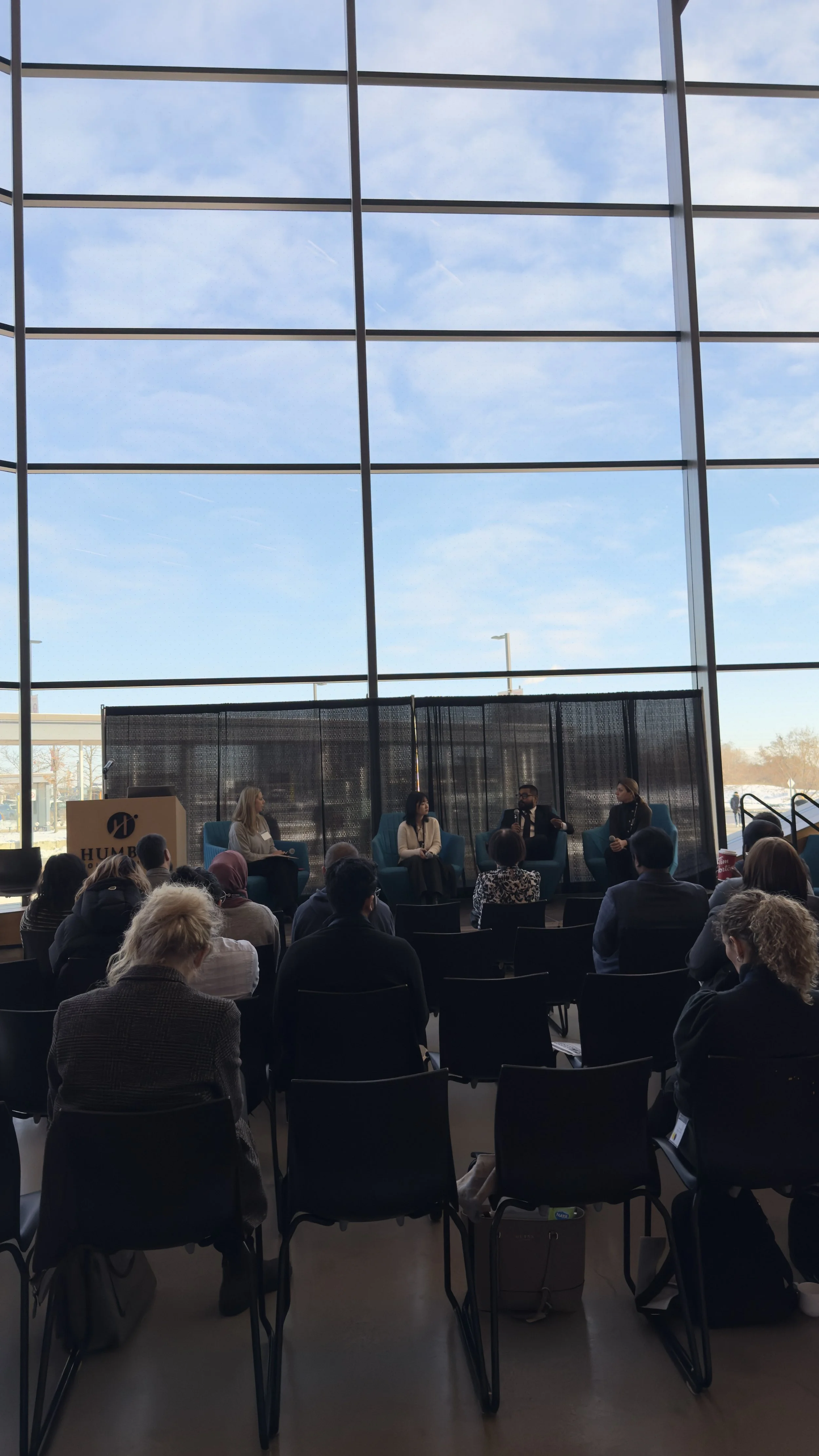
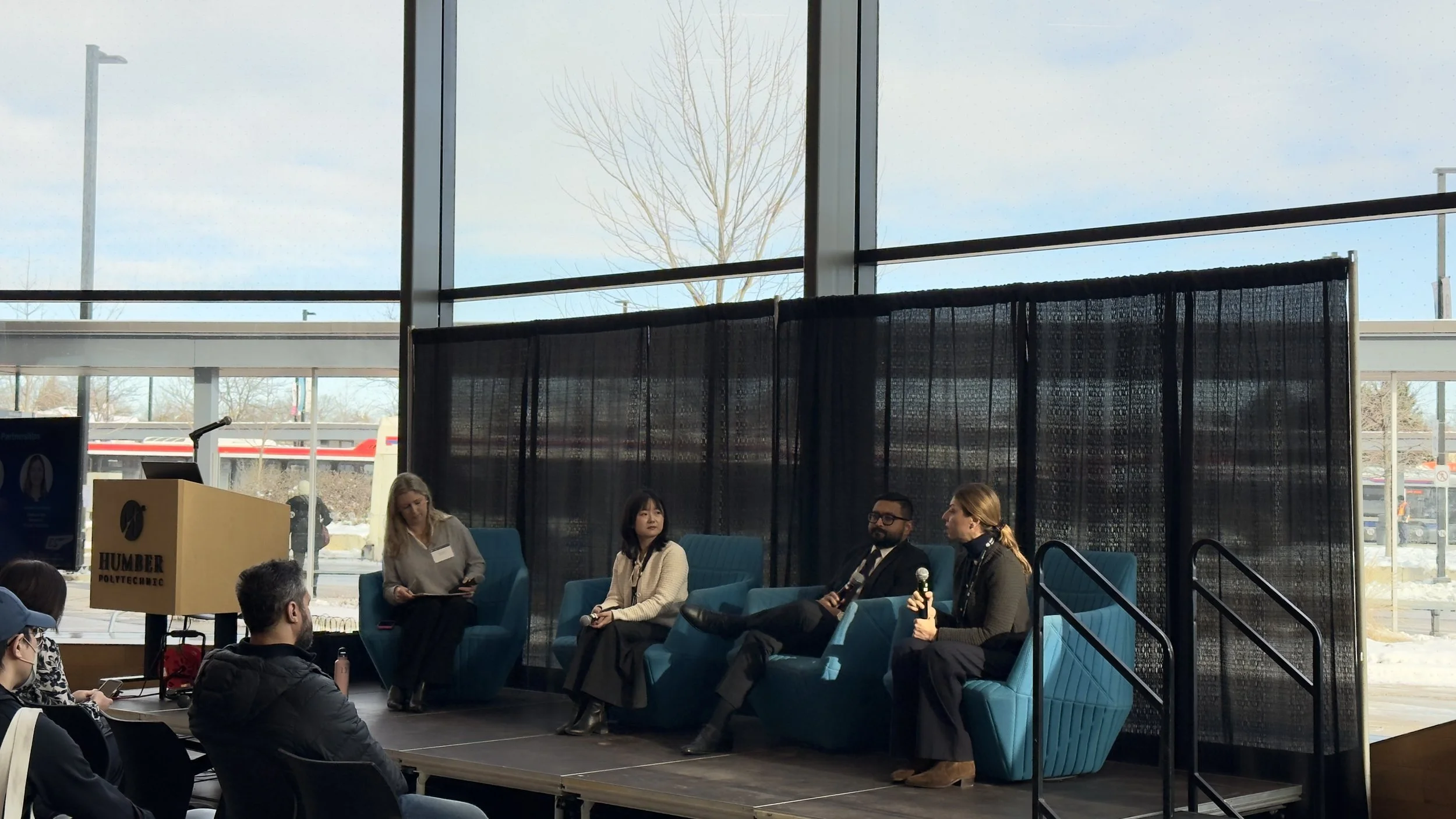
Building Impactful Partnerships: Building Successful Collaborations and Lessons Learned
Moderator: Lisa, Director of Research & Programs, Humber ORI
Panelist: Anil Wasif, Co-founder, BacharLorai; Infrastructure Ontario
Panelist: Dr. Keyue Chen, Business Development Advisor, Mitacs
Panelist: Dr. Maryam Davoudpour, Faculty Researcher, Humber Polytechnic
SDG Alignment

Target 17.16
Enhance the North-South, South-South and triangular regional and international cooperation on and access to science, technology and innovation and enhance knowledge sharing on mutually agreed terms.
Context
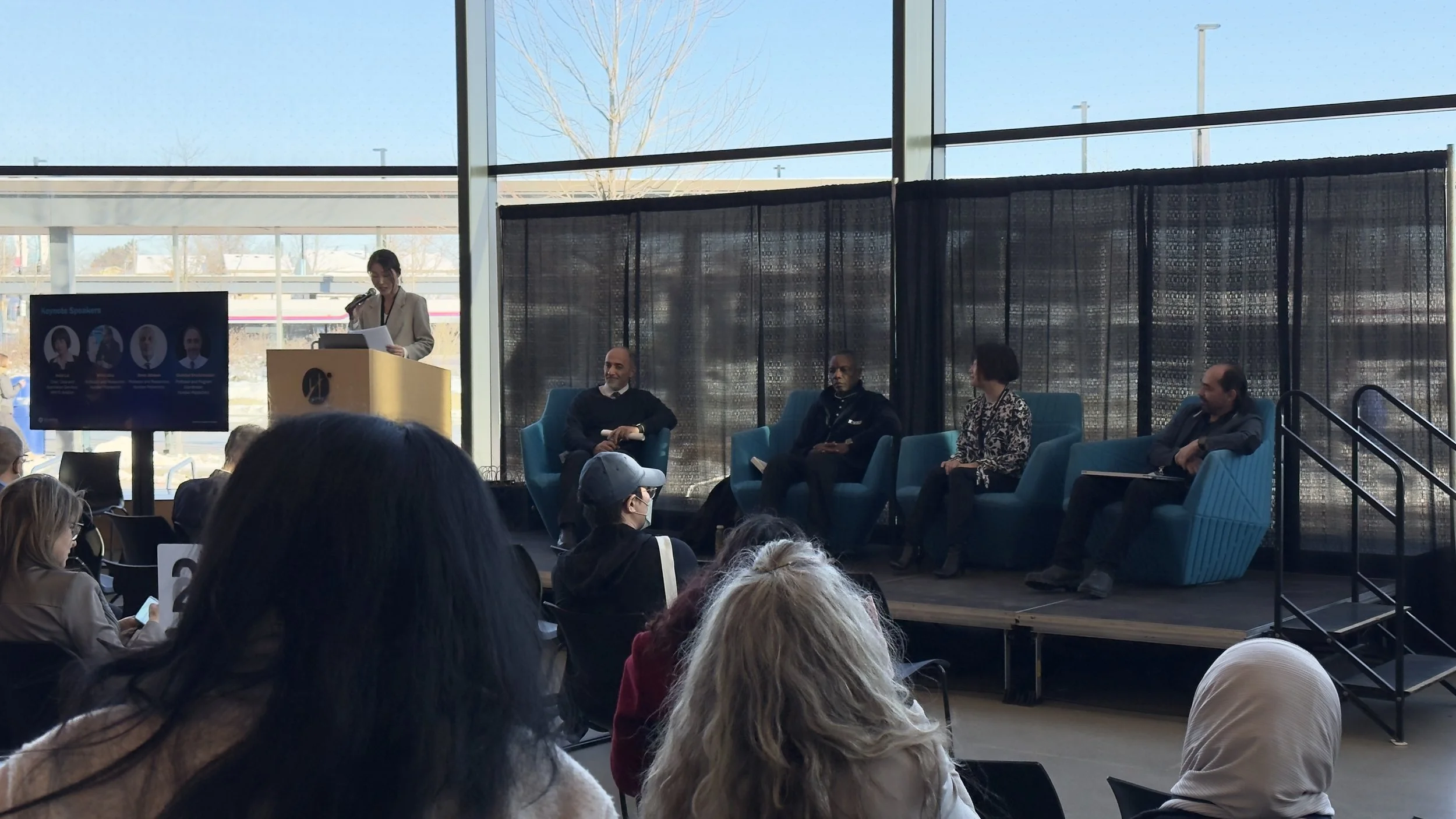
Research Unplugged was the inaugural Research Expo hosted by Humber Polytechnic, timed to celebrate their 2025 ranking as the top research institution in the GTA and first in Canada for Industry Research Income. BacharLorai was represented by its Director of Research, Anil Wasif, and Aditi, who engaged with faculty and students to discuss the "Research Residency" model. The event served as a critical networking hub for researchers looking to bridge the gap between theoretical study and community-based application.
The expo addressed a pressing macro-issue: the "mismatch of speed" between academic publishing cycles and the urgent needs of the policy cycle. In the context of the South Asian diaspora and global development, research often fails to reach decision-makers in a timely or "bite-sized" format. BacharLorai highlighted the necessity of translating complex datasets—such as youth unemployment in Bangladesh or AI governance in the Indo-Pacific—into defensible, actionable briefing notes that can survive the political window.
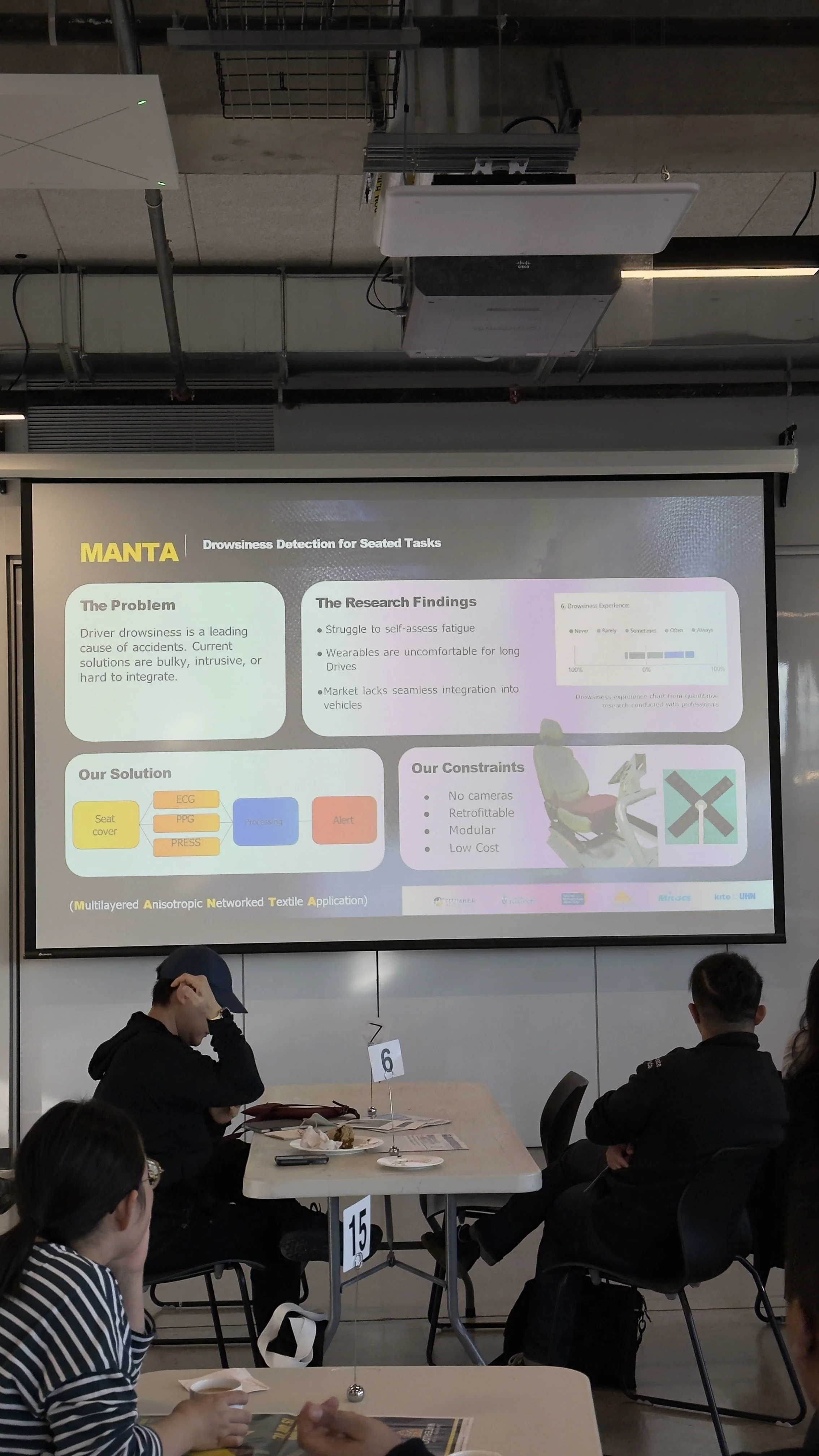
The day featured an intensive schedule of lab tours and funding overviews, where Akshay (Humber ORI) detailed grants like the SSHRC Partnership Engage Grant (up to $25k) and NSERC ARD (up to $150k/year). These funding models were discussed as levers for non-profits to access university talent. The panel discussion explored how to maintain "iterative feedback" between partners, ensuring that students gain career-defining experience while industry partners receive high-accuracy outputs (such as the 90%+ accuracy in aviation data coding showcased by MHI RJ).
The event featured a range of perspectives, from Dr. Ann Marie Vaughan’s vision for applied research to Heidi Lai’s deep dive into a six-year aviation data strategy. On the policy panel, Anil Wasif delivered a compelling argument for "translatability," urging researchers to consider the life of their work beyond the paper. Aditi engaged in technical discussions regarding the "Why" behind the "How," focusing on bridging the skills gap for international students and immigrants in Canada, further aligning BacharLorai's local mission with Humber’s academic resources.