
Global Impact Fellowship
Our Fellowship is an 8-month-long development program to cultivate the next-generation of social entrepreneurs.
Every year, 10 Fellows between the ages of 18-25 are selected to receive social entrepreneurship training for rights-based international development.
2026-27 Fellows
-
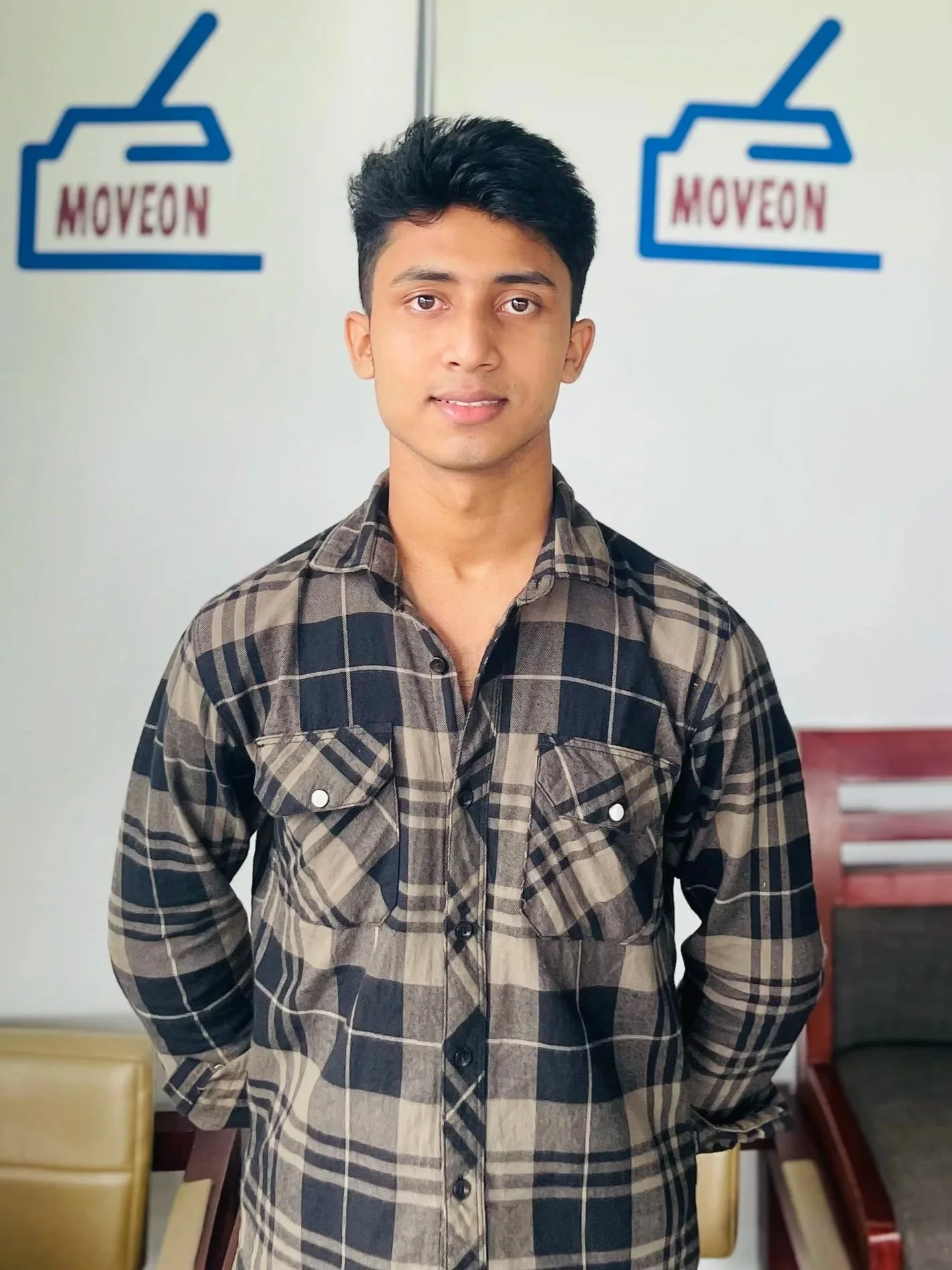
Maung Solaiman Shah
-
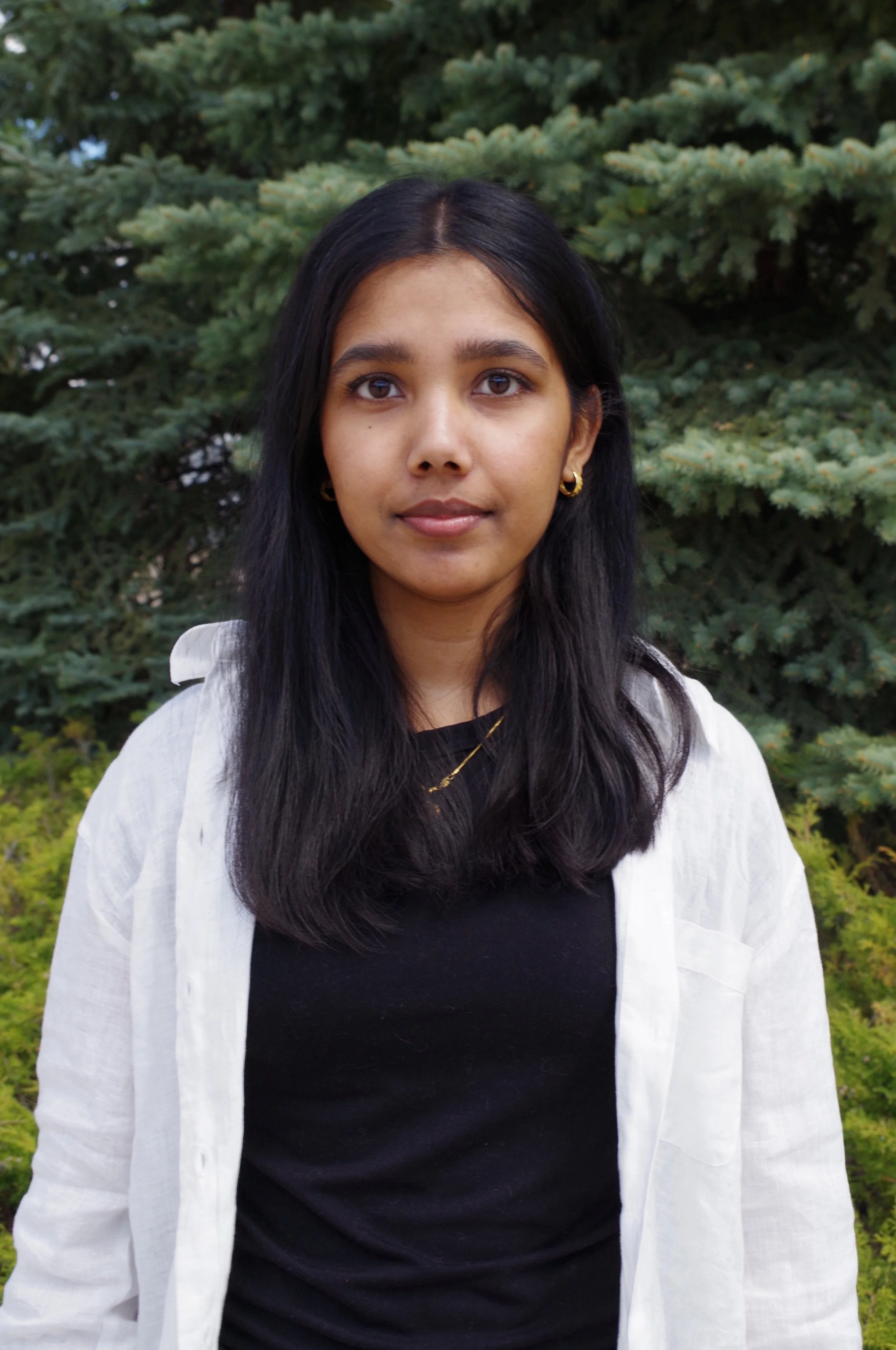
Zahin Rahman
-
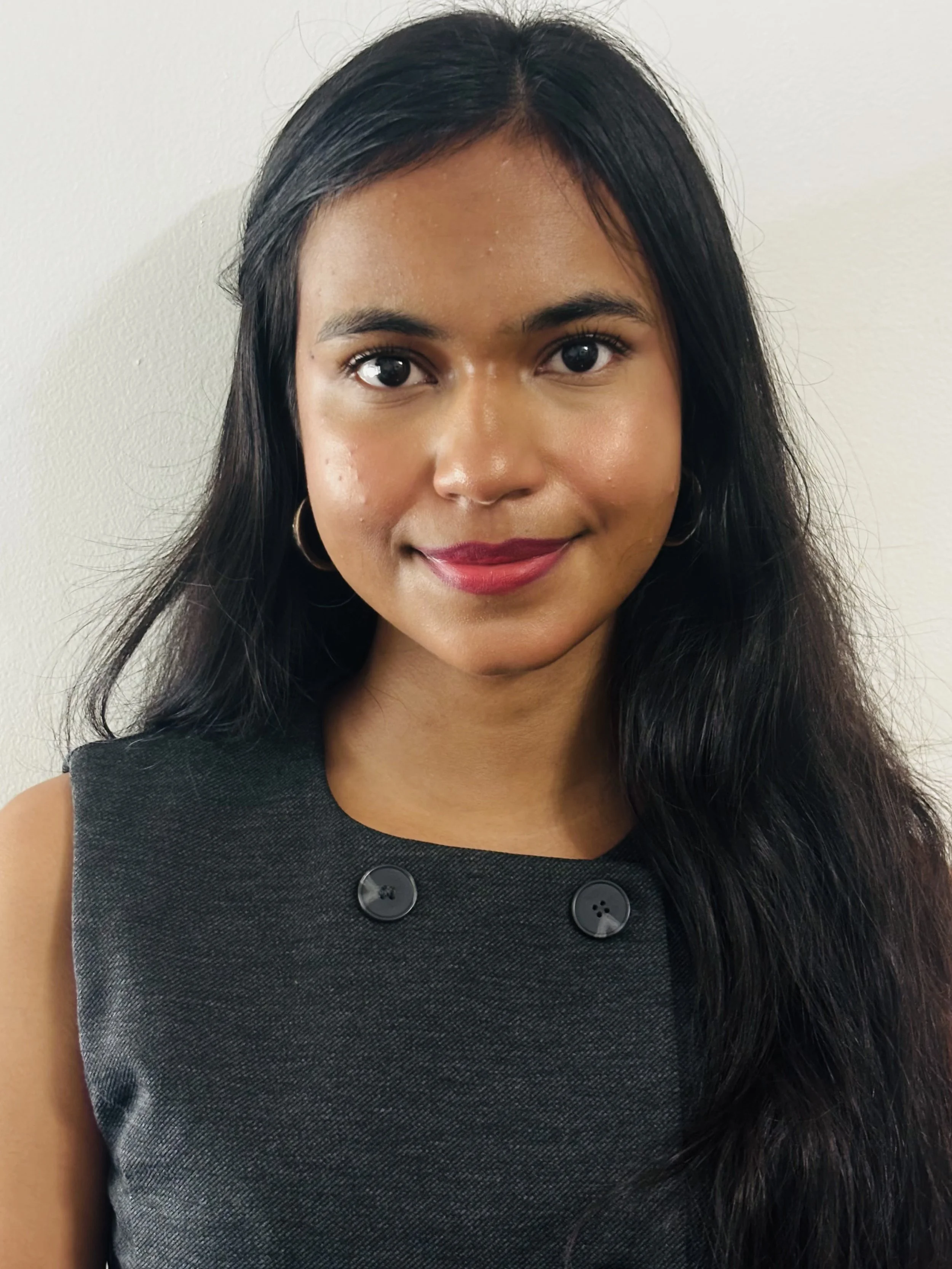
Zarin Malik
-
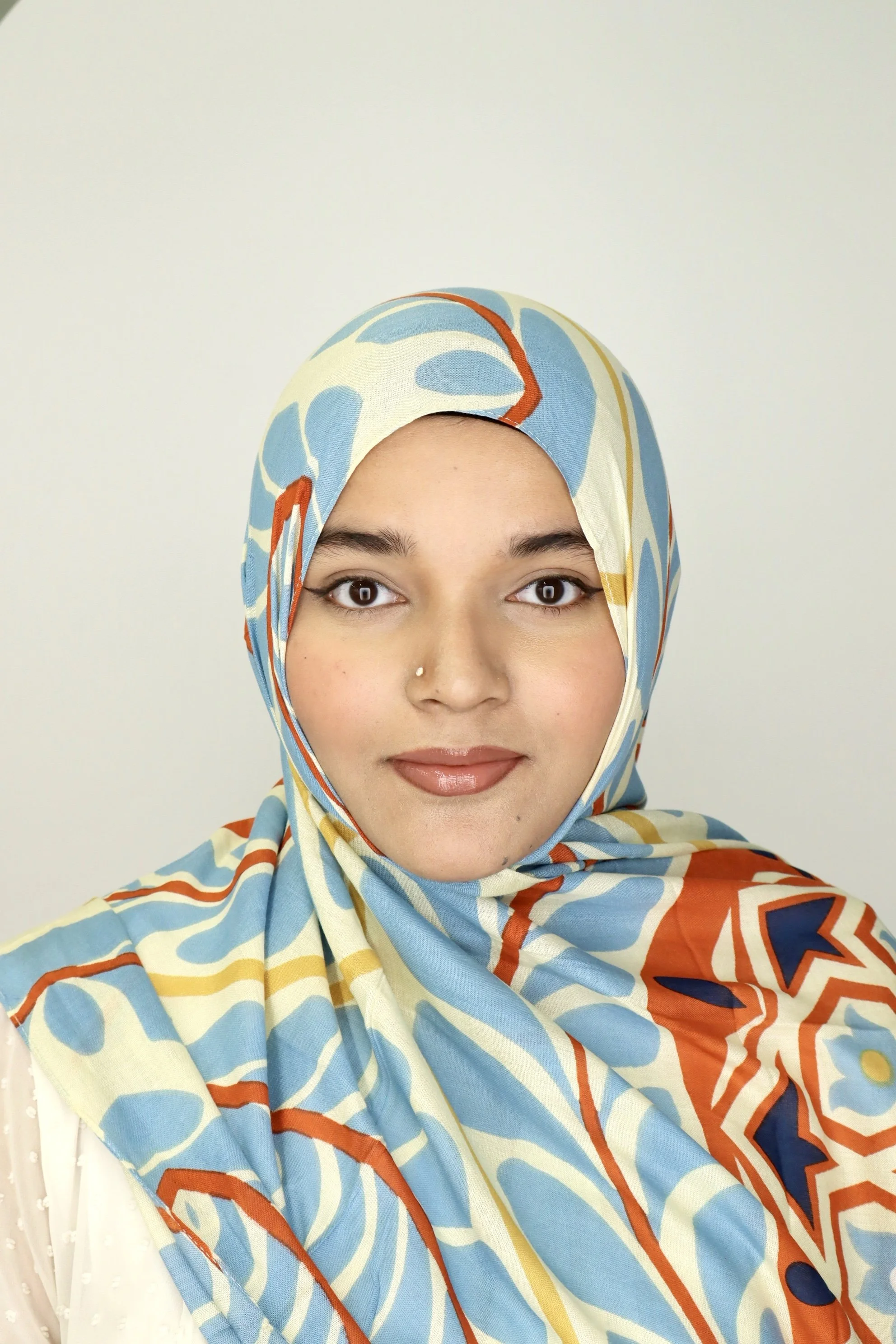
Nusaiba Tayeba
-
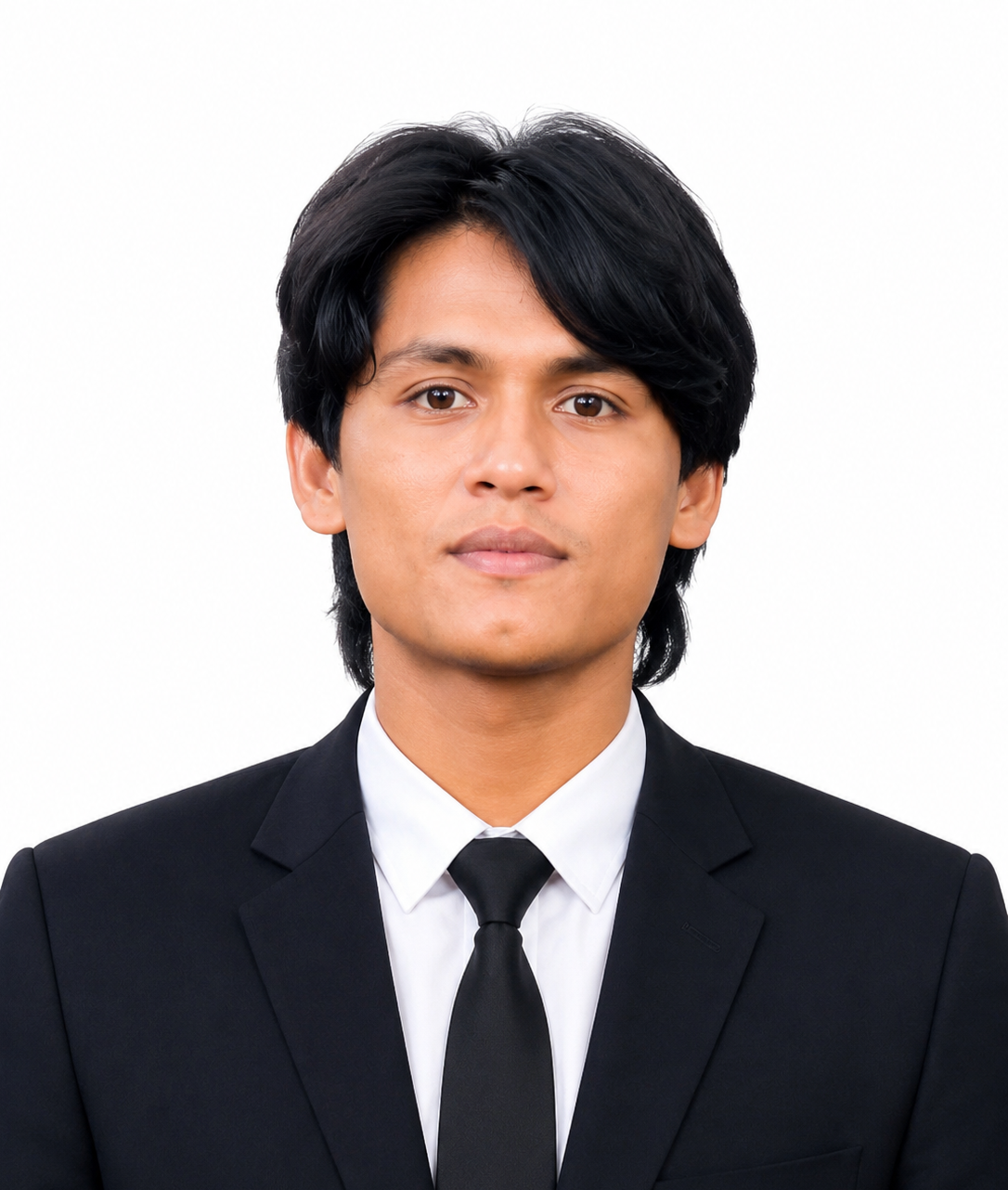
Arfat Ullah
-
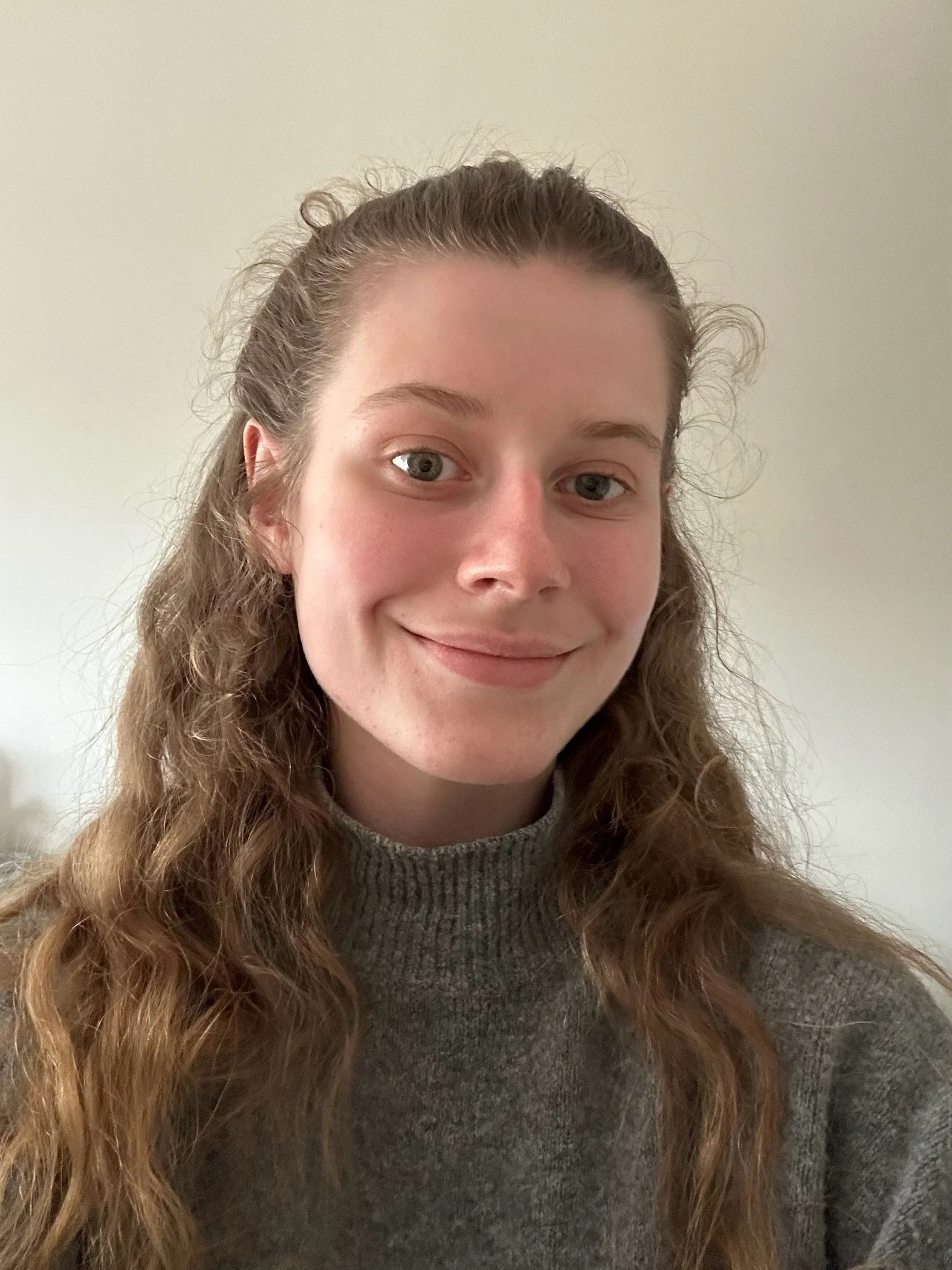
Svea Mangili
-
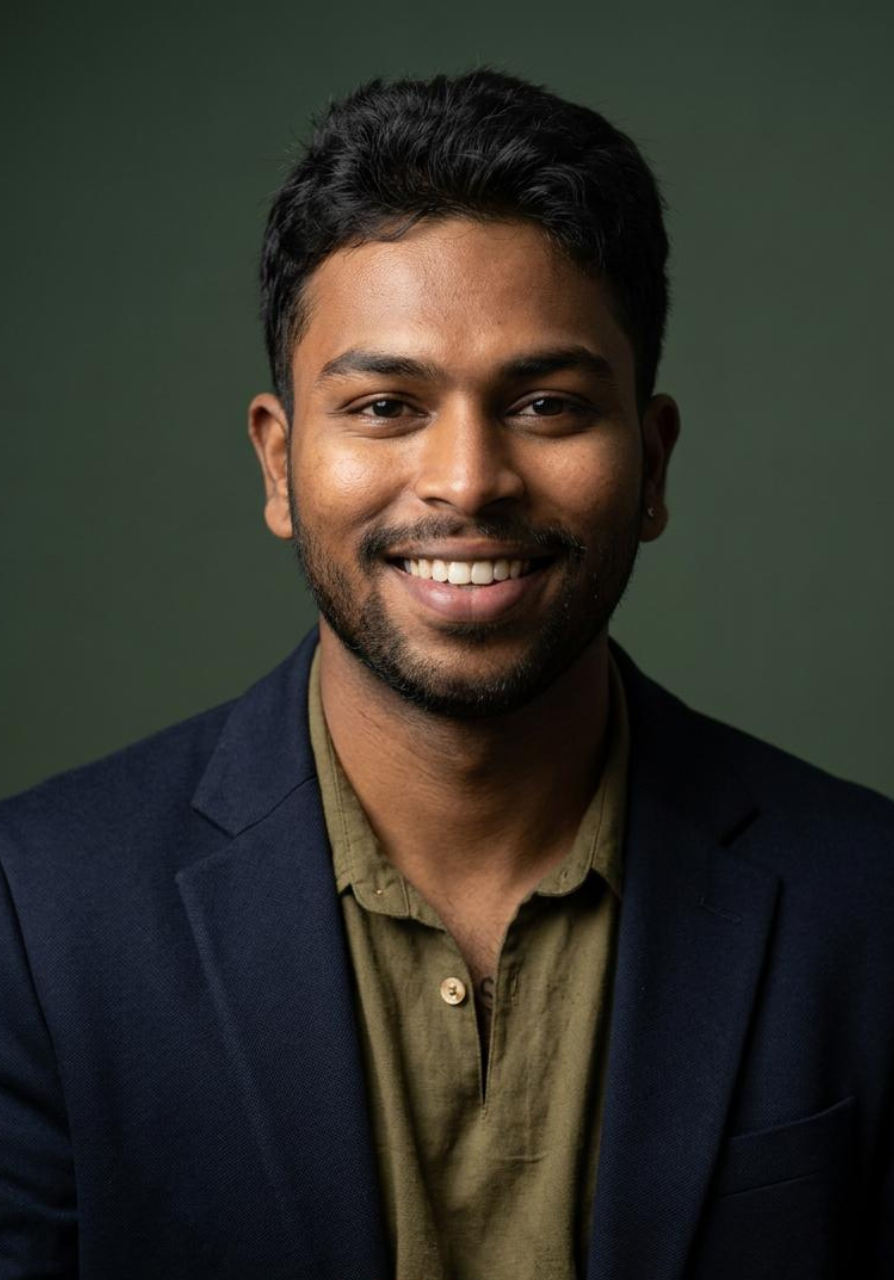
Hayyan Shafeer
-
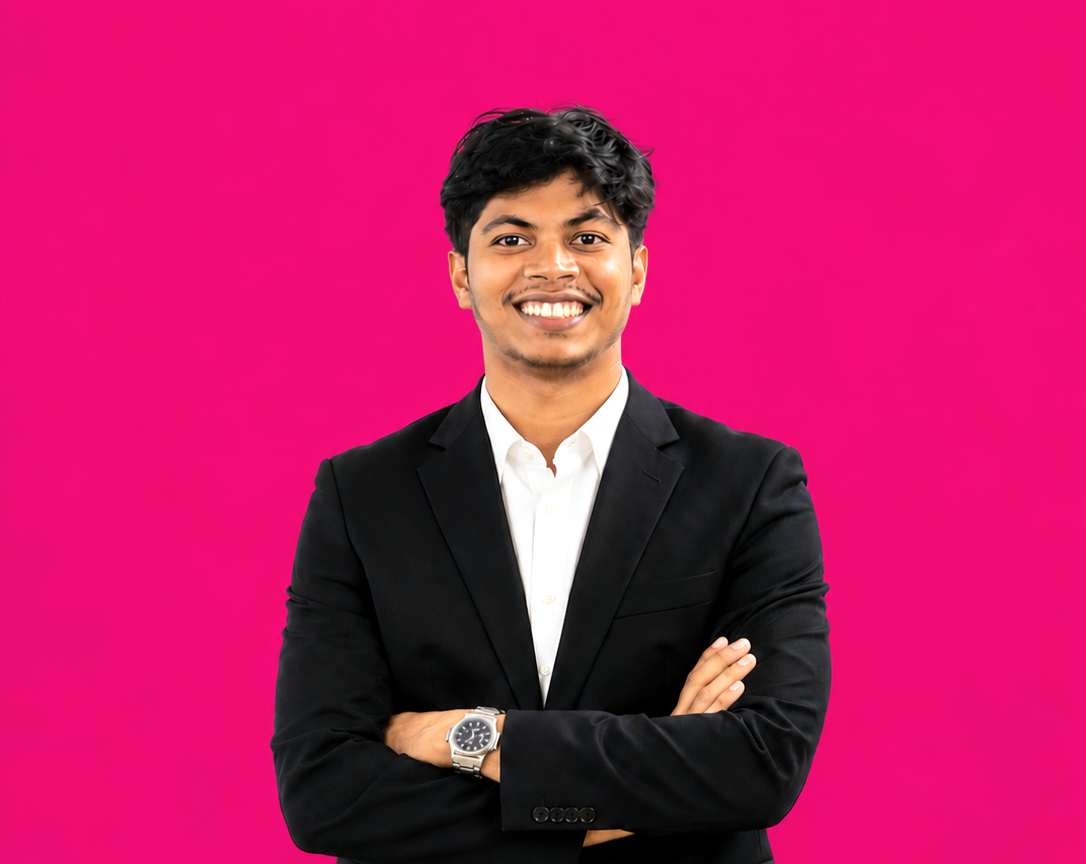
Abdullah Al Abid
-
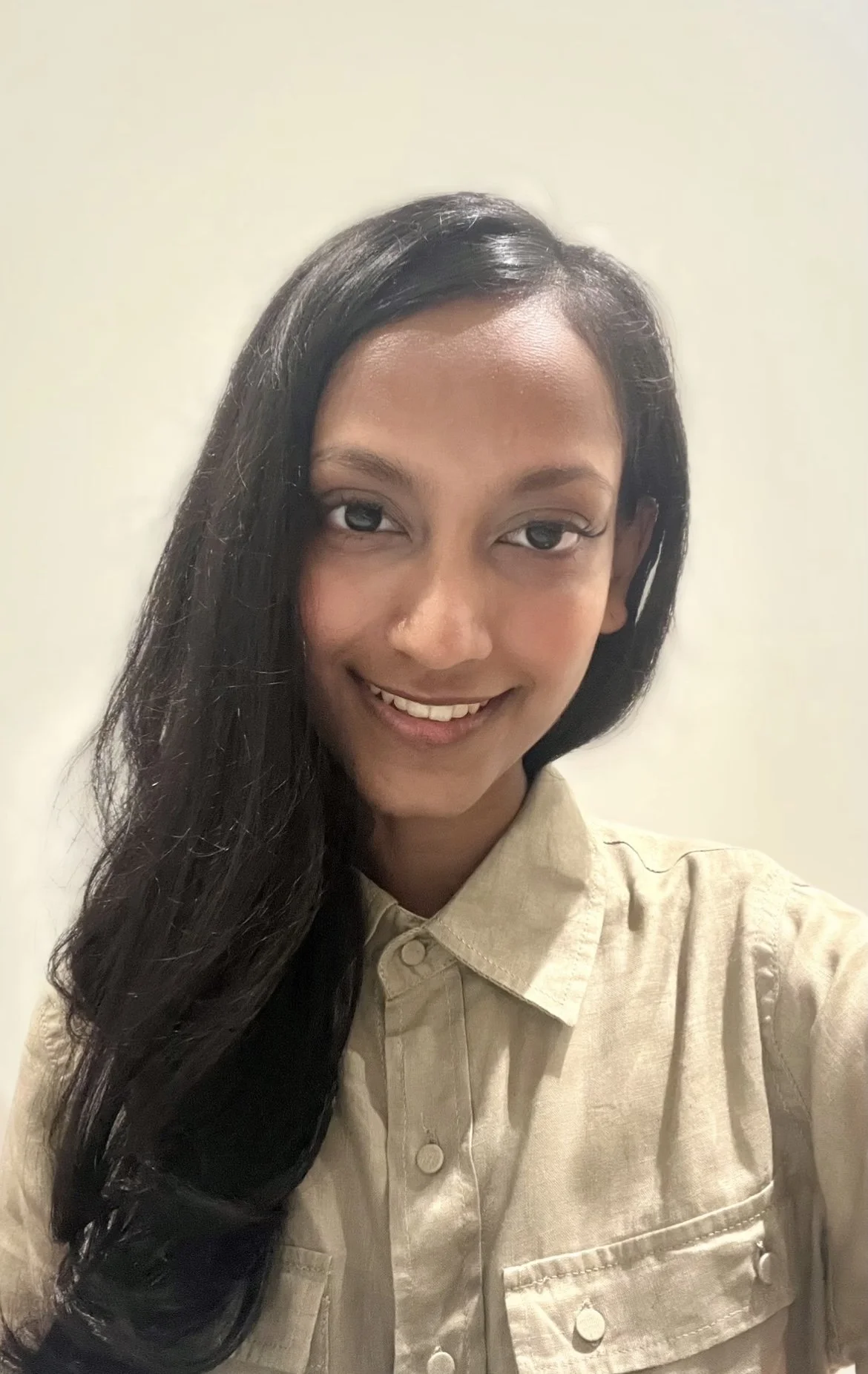
Alisha Nora
-
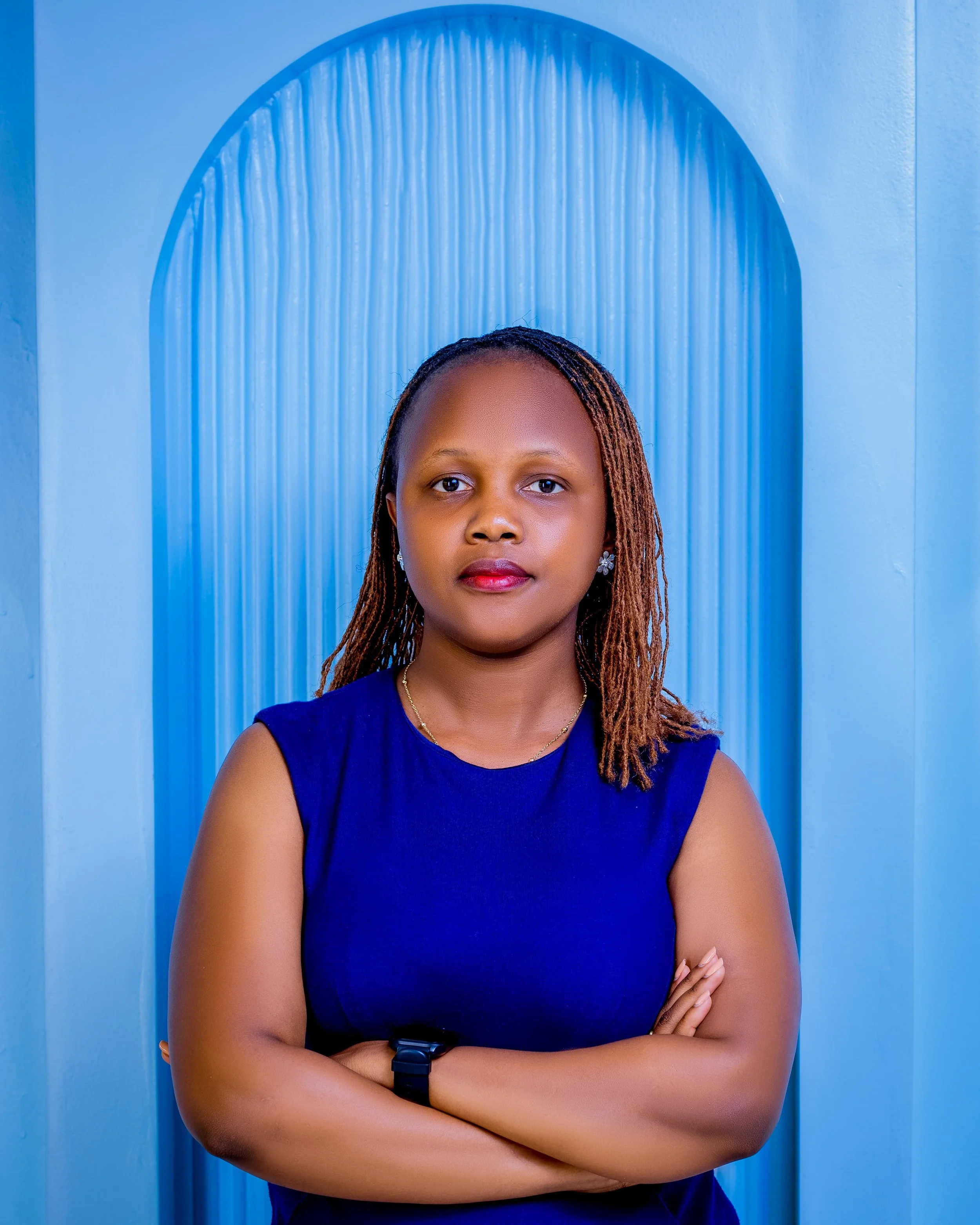
Gladys Njeri
2026-27 Global Impact Speakers
-
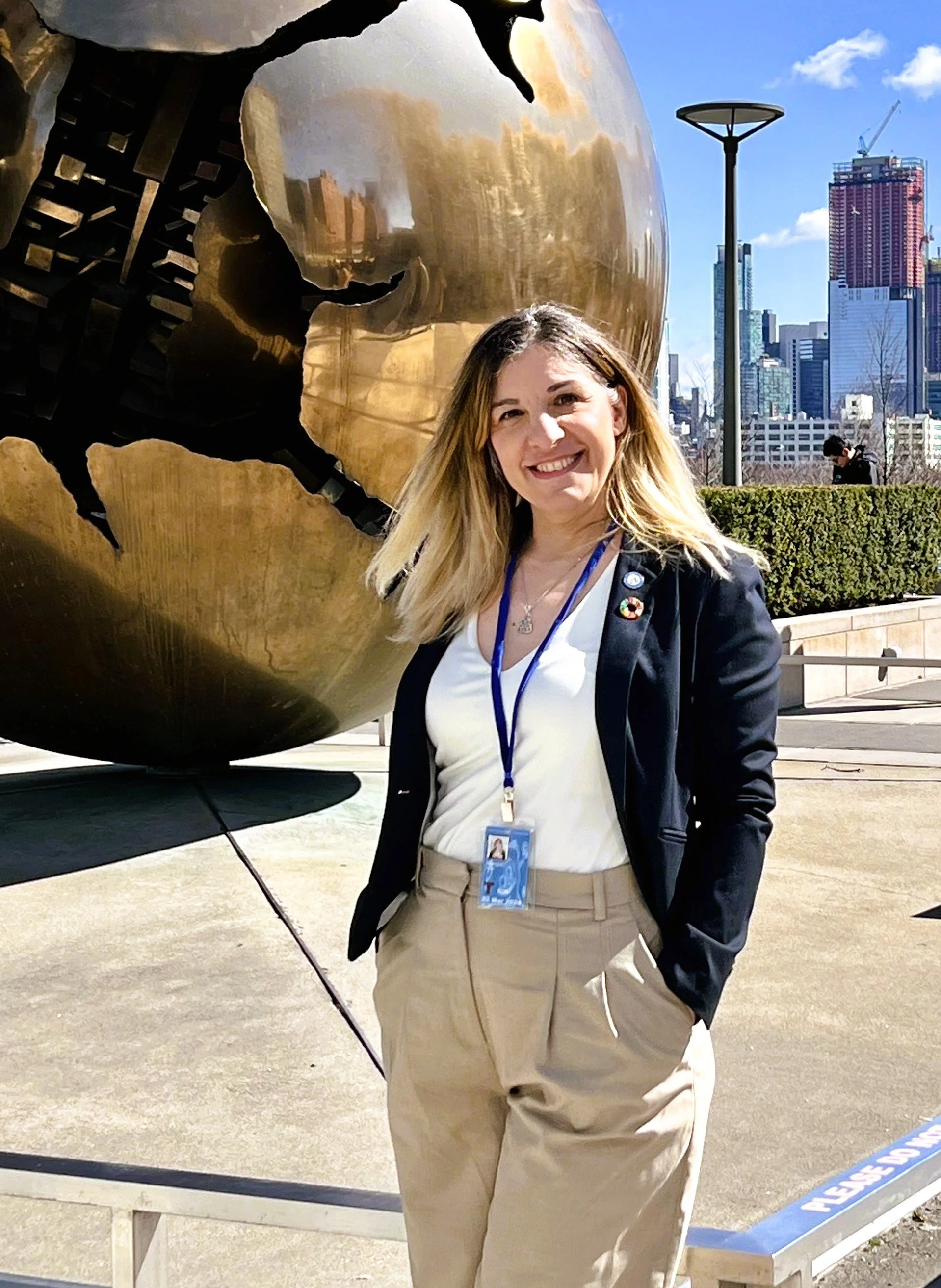
Erica Mongiat
-

Dheeksha Reddy
-
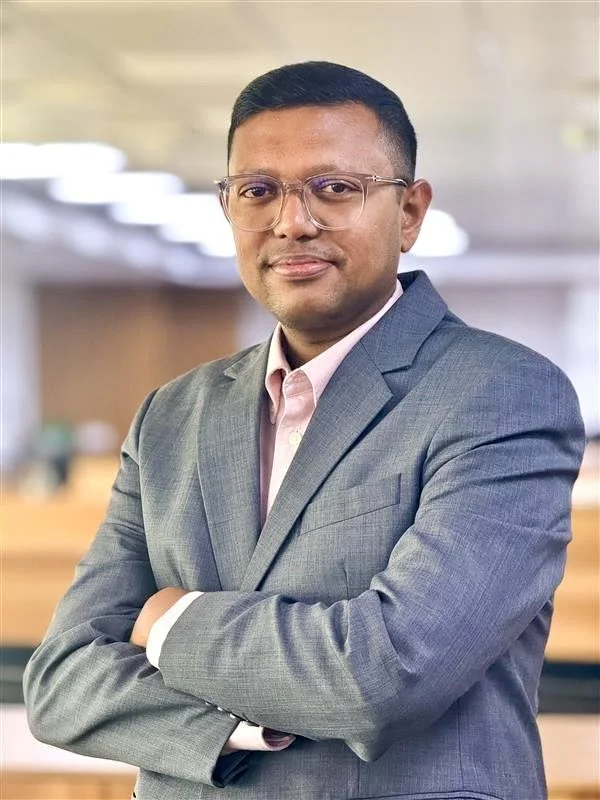
Dr. Rahul Mathew
-

Tasnia Khandaker Prova
-

Anusha Zarin T.
-
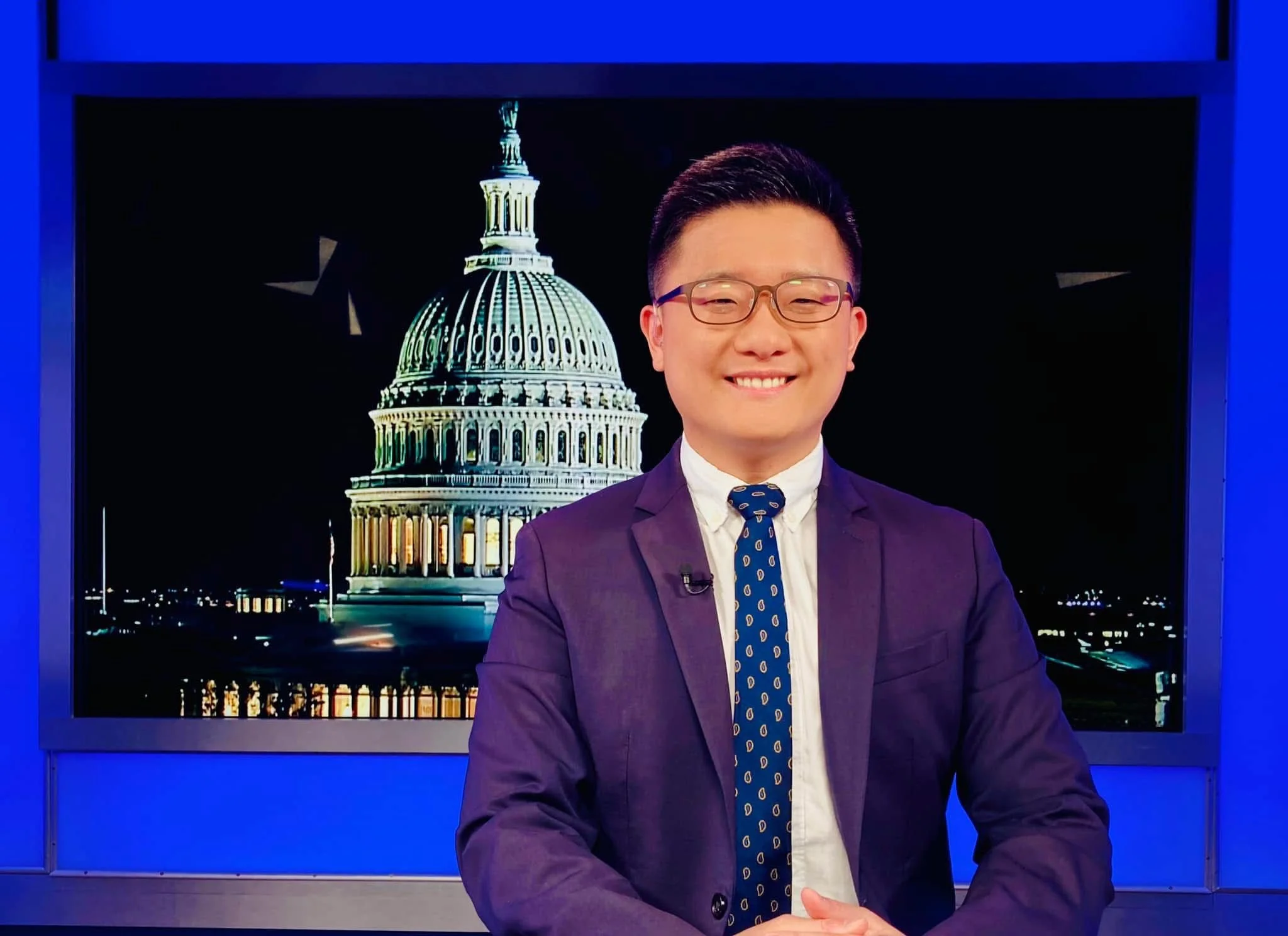
Se Hoon Kim
-

Maisha Kabir
-
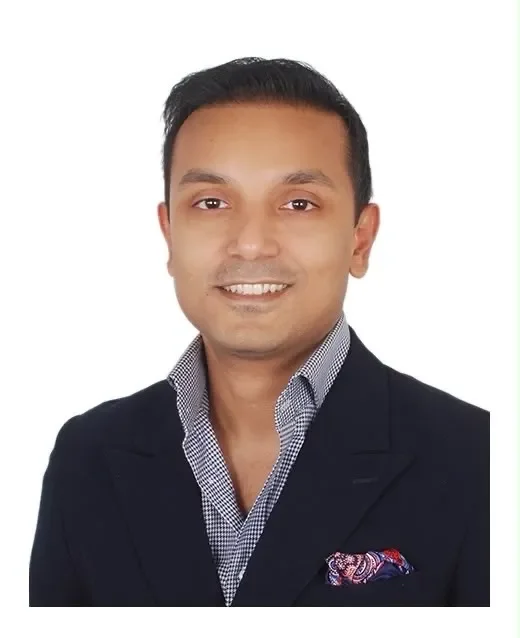
Mohd Ali Fayaz Shoumo
-
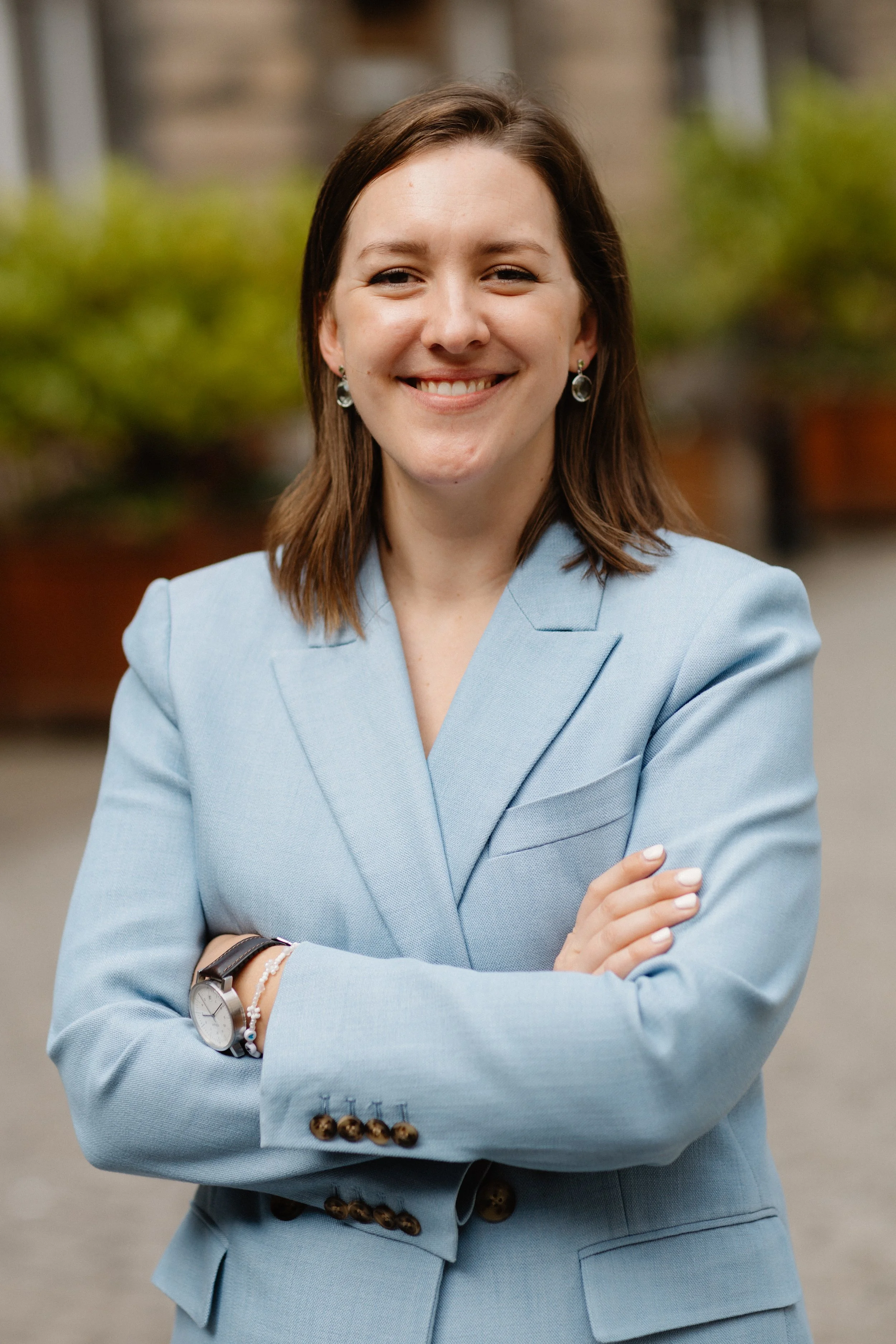
Tabea Campbell Pauli
-

Aria Mustary
Modules
-
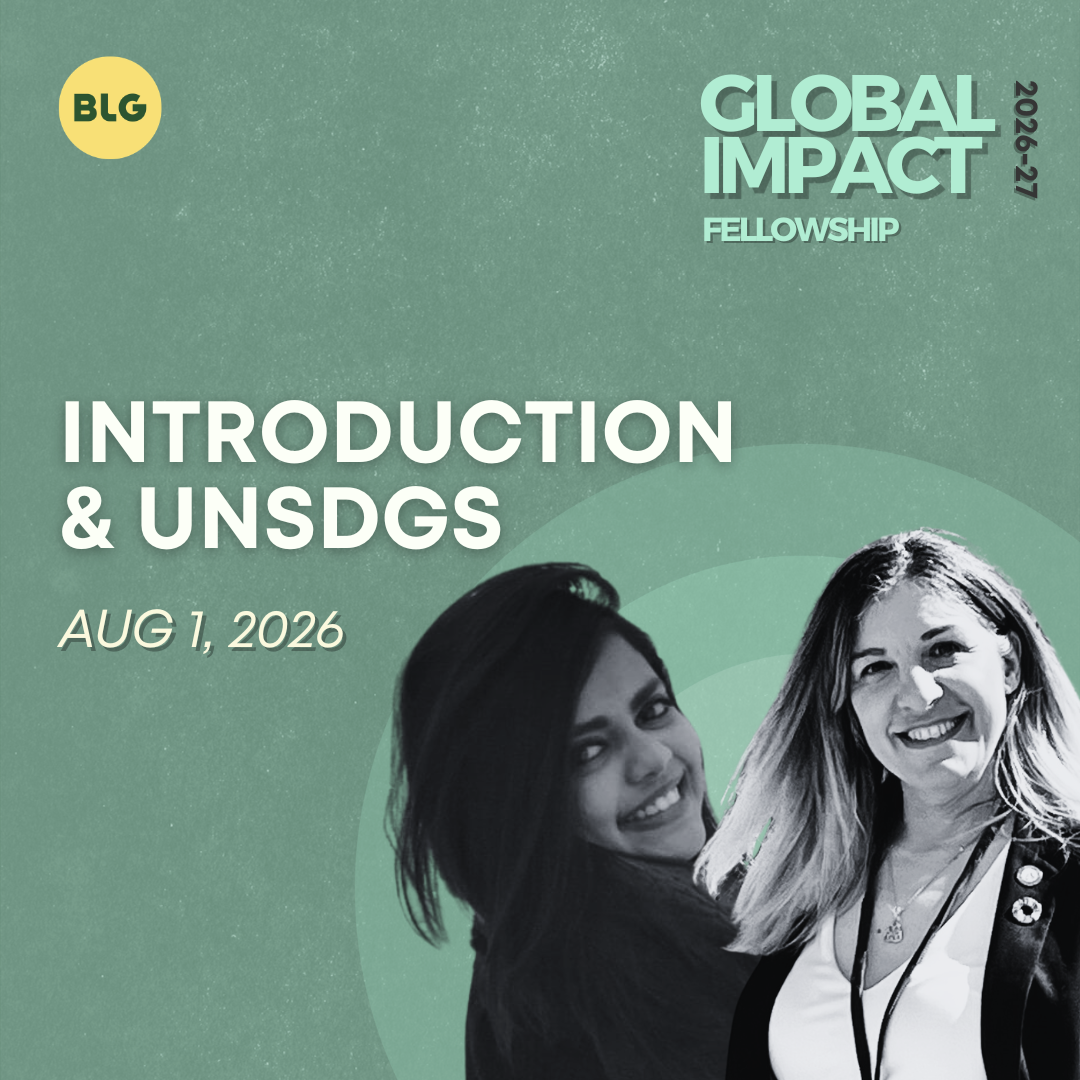
Module One: Introduction to the UN Sustainable Development Goals
The Introduction and UNSDGS workshop was lead by Dheeksha Reddy and Erica Mongiat of the United Nations Association in Canada.
Erica and Dheeksha introduced the Sustainable Development Goals as a global framework for addressing interconnected social, economic, and environmental challenges. They emphasized that complex social challenges rarely fall under a single goal and that progress in one area often depends action in others.
The speakers explored how the SDGs can be applied to project development. Fellows were encouraged to ground their projects in clearly defined community needs, identify the most relevant SDG targets, establish measurable indicators, and remain open to partnership, adaptation, and learning.
The speakers emphasized the importance of impact data and how it strengthens credibility, informs decision-making, and helps organizations communicate their work more effectively to partners and communities. Erica emphasized diverse partnership-building and Dheeksha spoke on the importance of communicating their work openly, building momentum through visibility, and allowing projects to develop through feedback and collaboration.
-
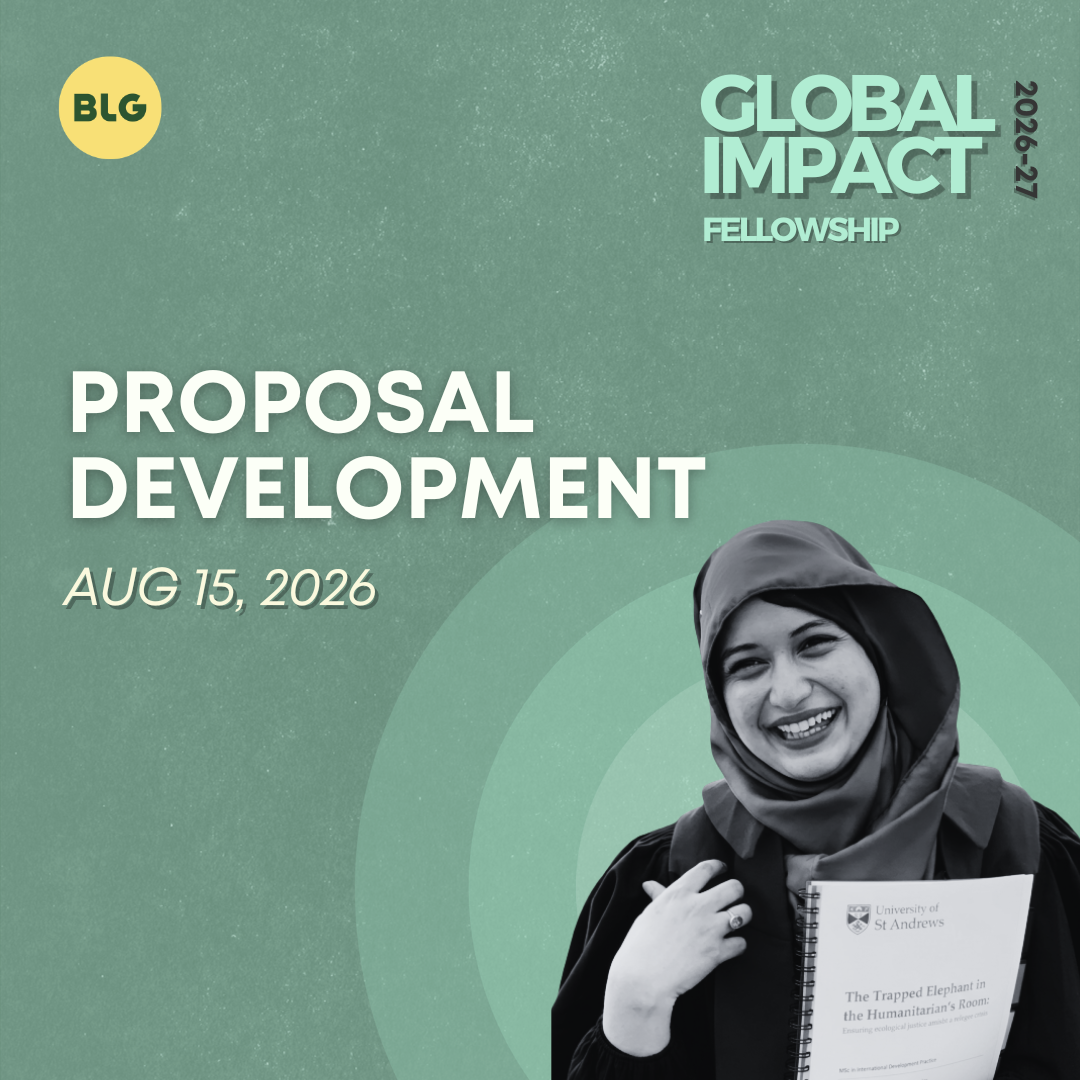
Module Two: Proposal Development
The Proposal Development workshop was lead by Tasnia Khandaker Prova, a PhD candidate in Planning at the University of Toronto. The workshop deconstructed proposal writing as a form of storytelling.
Tasnia emphasized that strong proposal development begins with researching and understanding the funder and their priorities. This preparation allows applicants to develop proposals that are both responsive to the funding opportunity and grounded in a clearer understanding of the institution they are approaching.
The session addressed how applicants should communicate their own credibility, how to move from broad ideas to specific plans using tools like Gantt charts, the importance of designing with community rather than designing for, the value of concision and editing your proposal, and the importance of inclusion and sustainability.
In the final portion of the workshop, Tasnia emphasized the value of networking and reminded fellows not to view rejection as a definitive judgement on their ability their idea. A rejected proposal can be revised, strengthened, and submitted again, and persistence is an important part of both grant development and social-impact work.
-
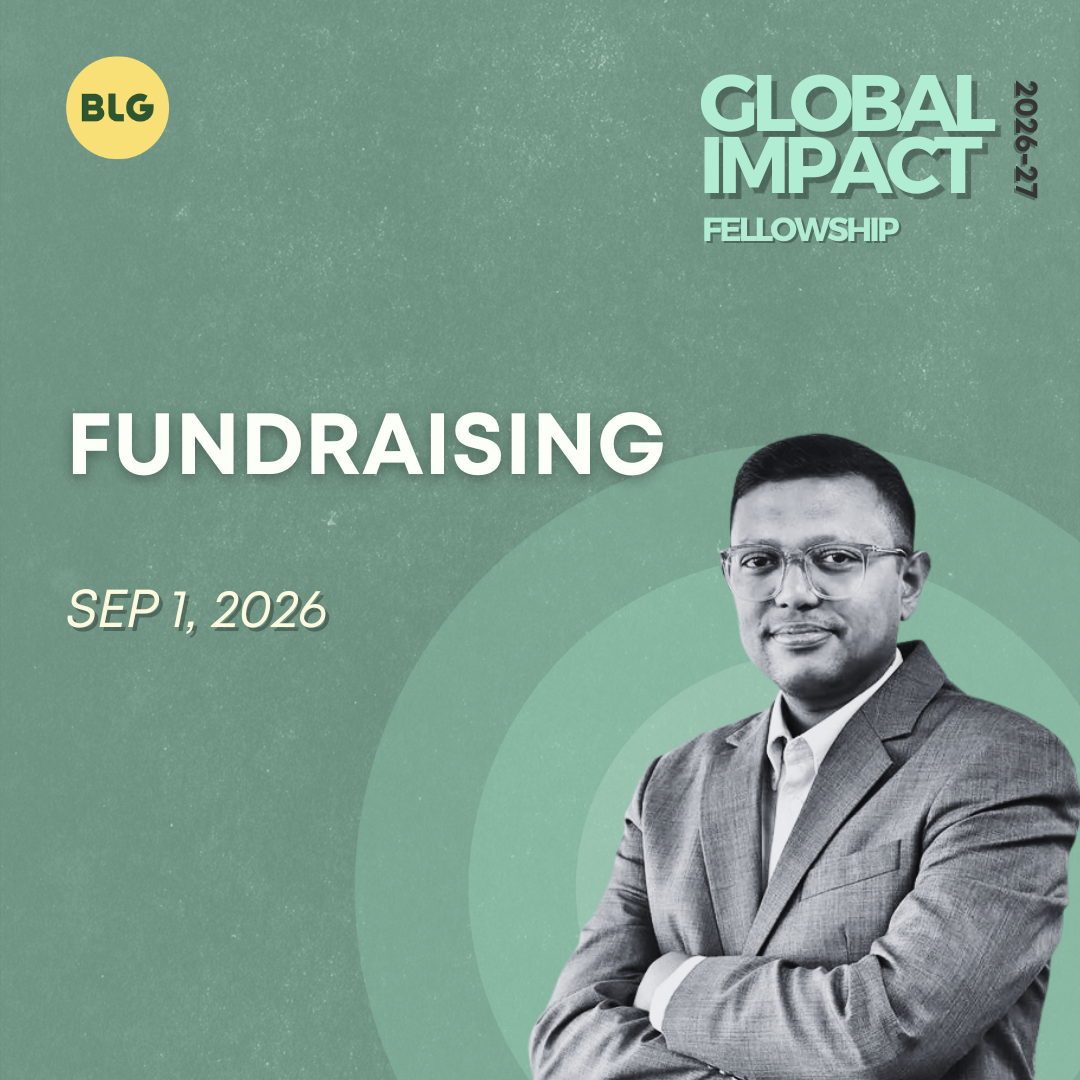
Module Three: Fundraising & Philanthropy
The Fundraising & Philanthropy workshop was led by Dr Rahul Mathew, an independent strategy, evidence, and impact consultant.
Rahul began by reframing fundraising as mobilizing people and resources around a shared purpose rather than money, which is just one resource among many. He defined fundraising as building the bridge between community insight, program design, story, evidence, partnership and resources.
The session then explored the ethics and conditions of fundraising. Who defines the problem? Who defines what success looks like? Does your donor actually care about the cause and believe change is possible? Have you tailored your ask to suit the donor? Rahul then introduced the four fundraising archetypes and their benefits.
The fellows engaged in scenario exercises and learned the channels youth-led funding can come from. The session ended by highlighting the importance of stages in relationship building and equipped fellows with tools as they move into the final stretch of proposal development.
-
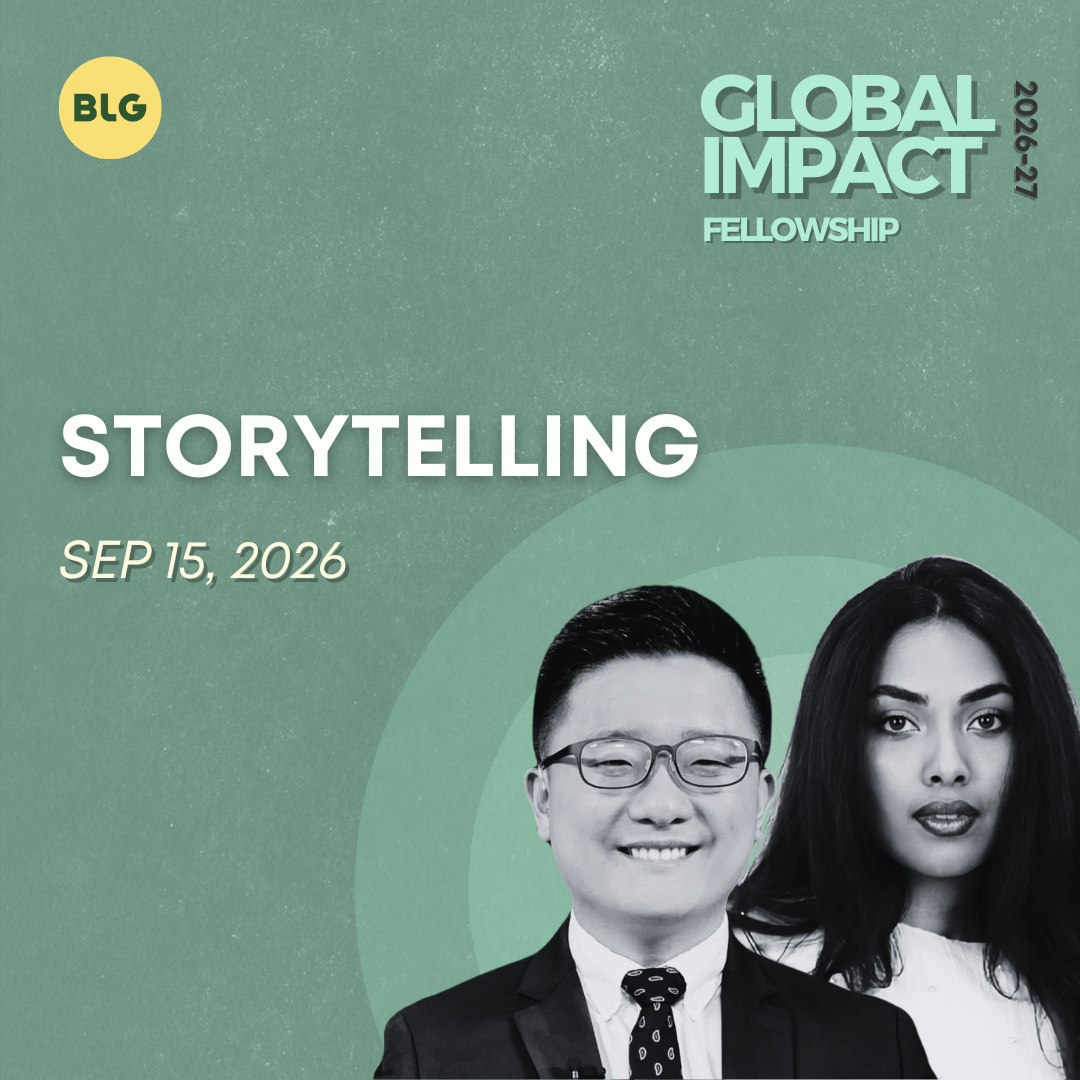
Module Four: Storytelling and Communication
-
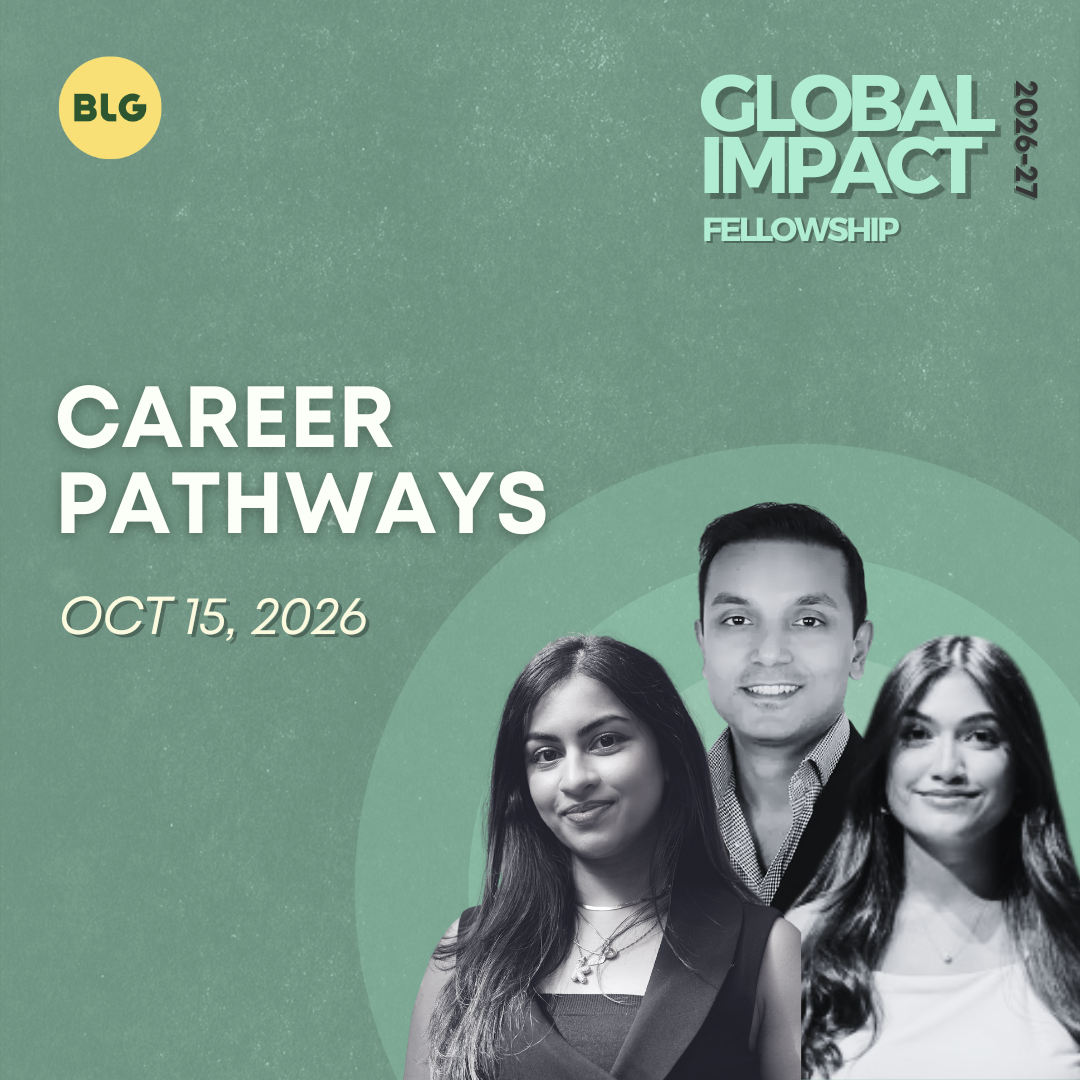
Module Five: Career Pathways and Leadership Summit
Fellowship Team
-
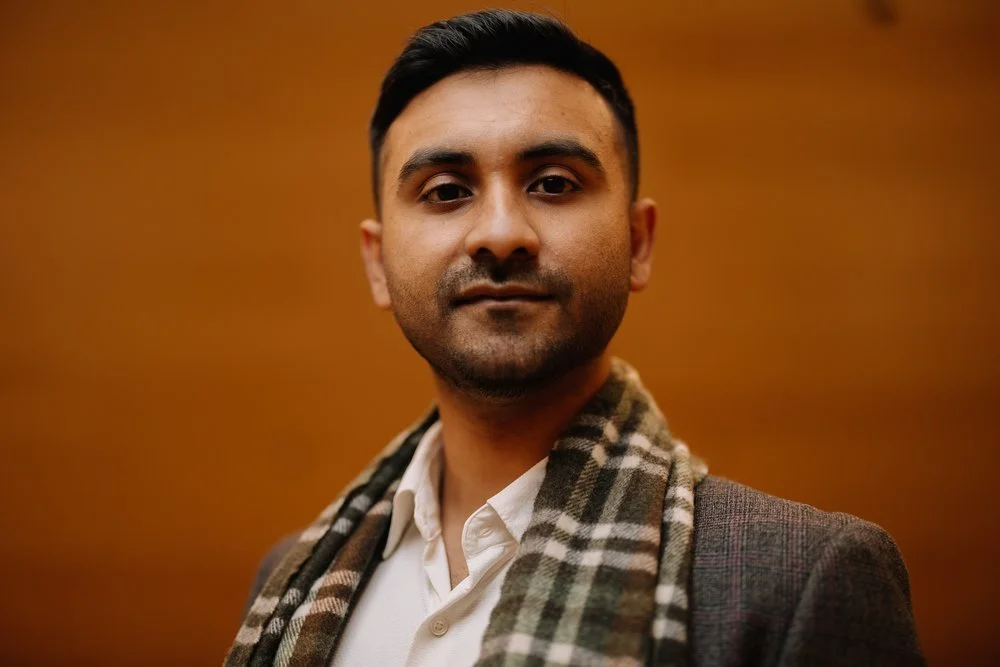
Tahmid Khan
Director
Social Welfare -

Mathira Kawser
Manager
Global Impact Fellowship -
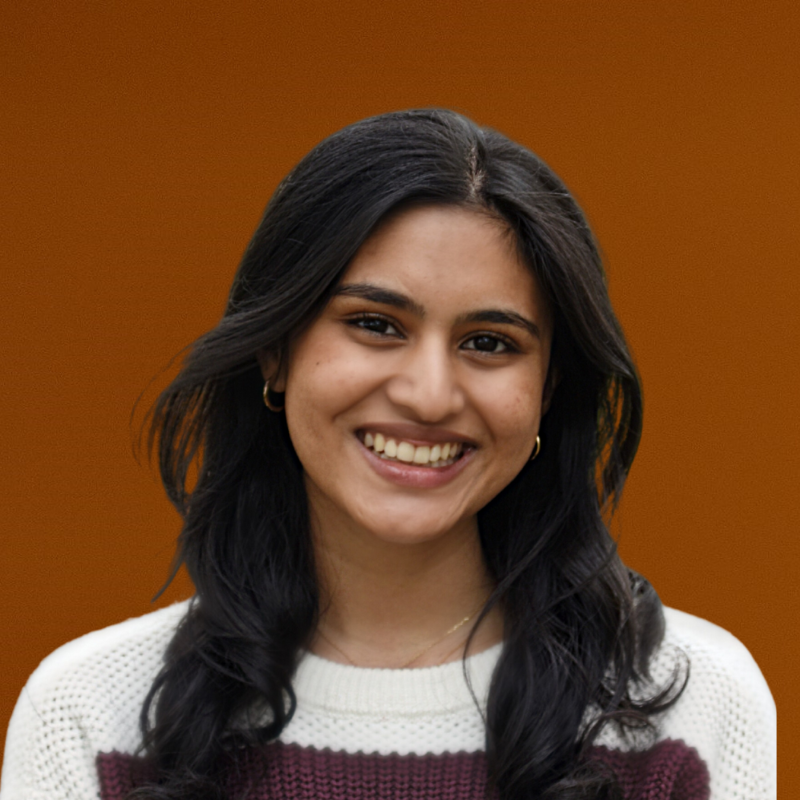
Saniyah Farzeen
Lead
Global Impact Fellowship -
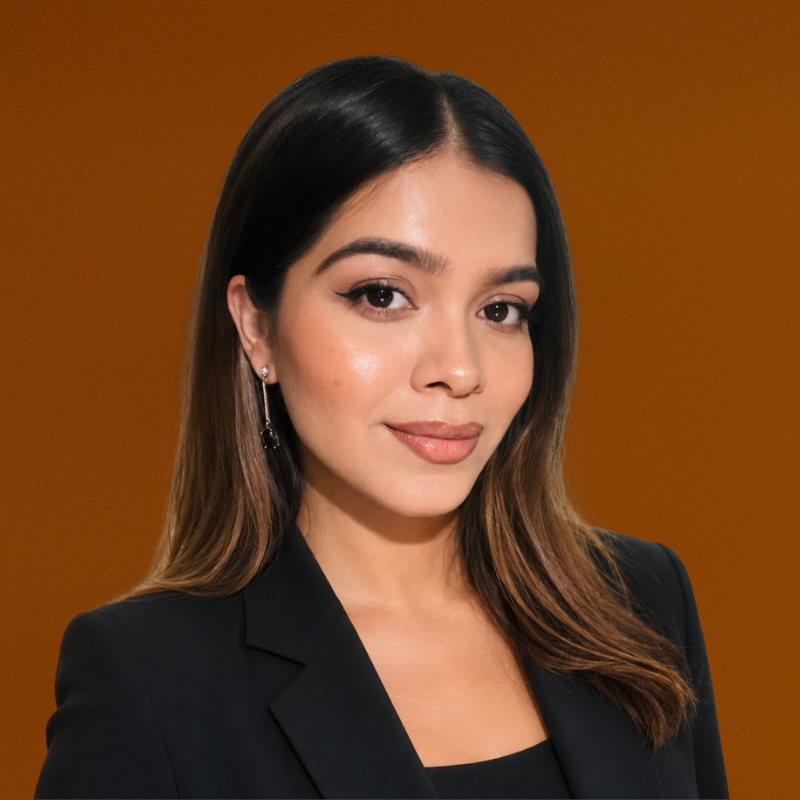
Nazifa Sarwar
Lead
Global Impact Fellowship