BLG at the 78th U.N. General Assembly
Field Notes for the UN Department of Global Communications
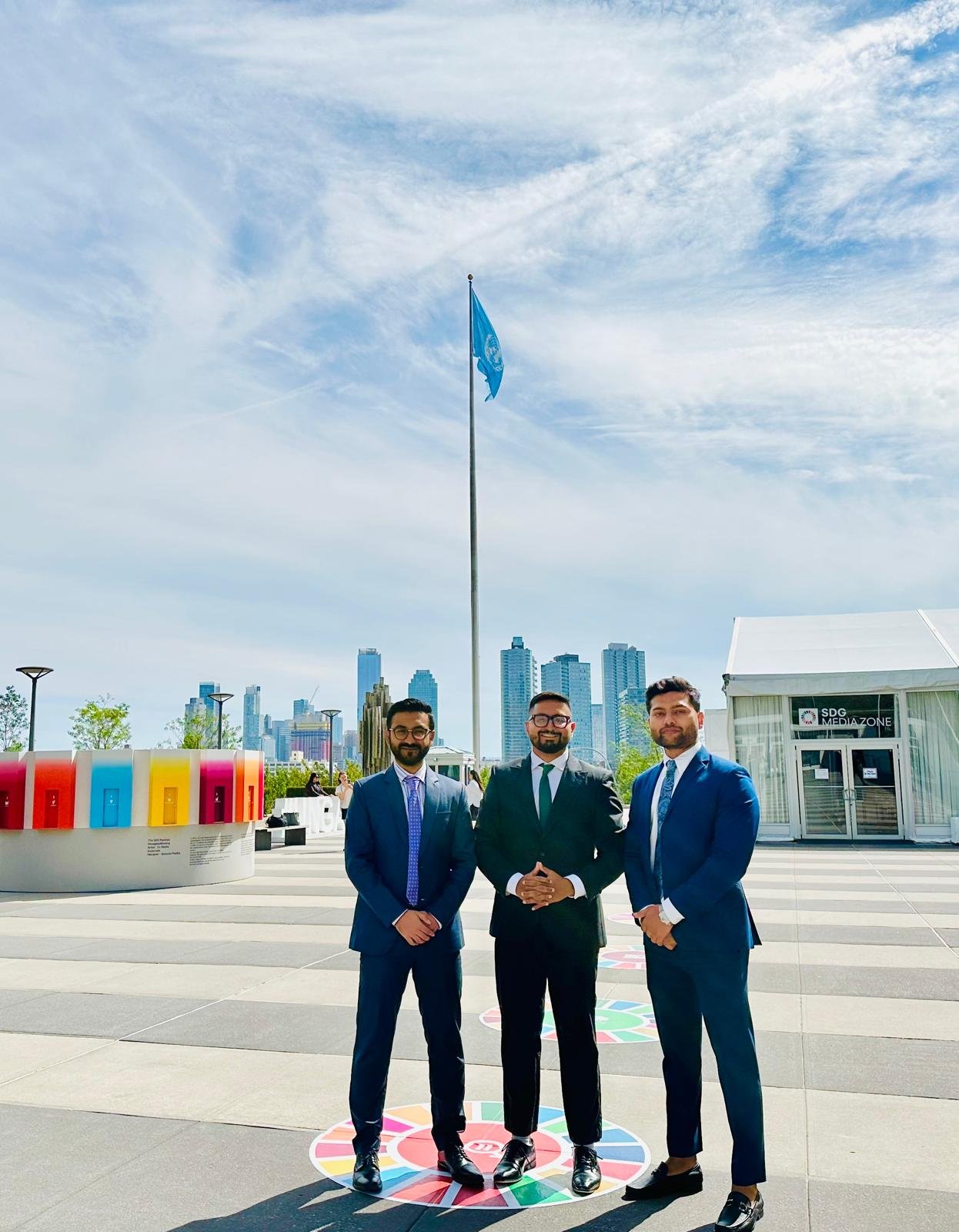
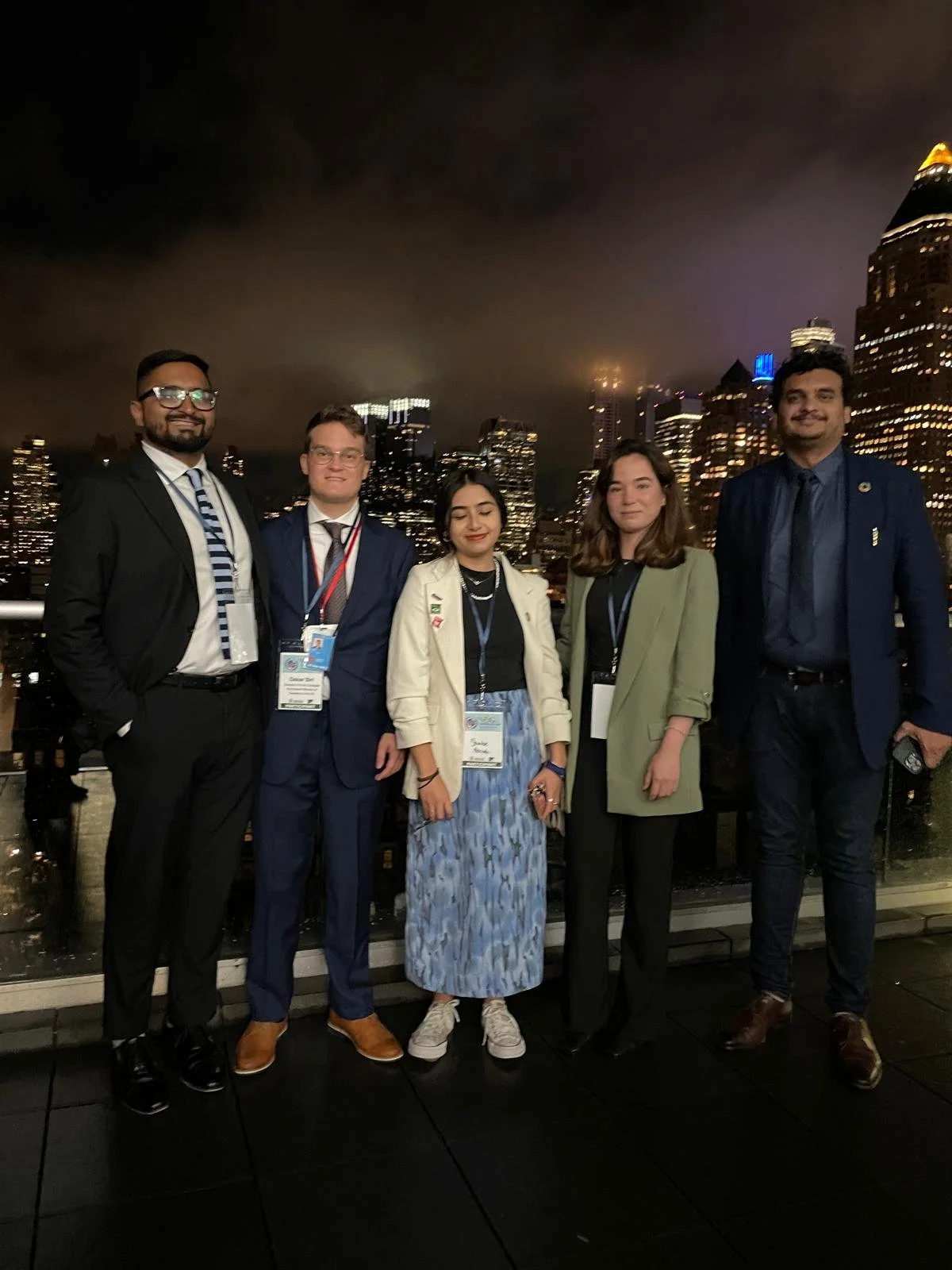
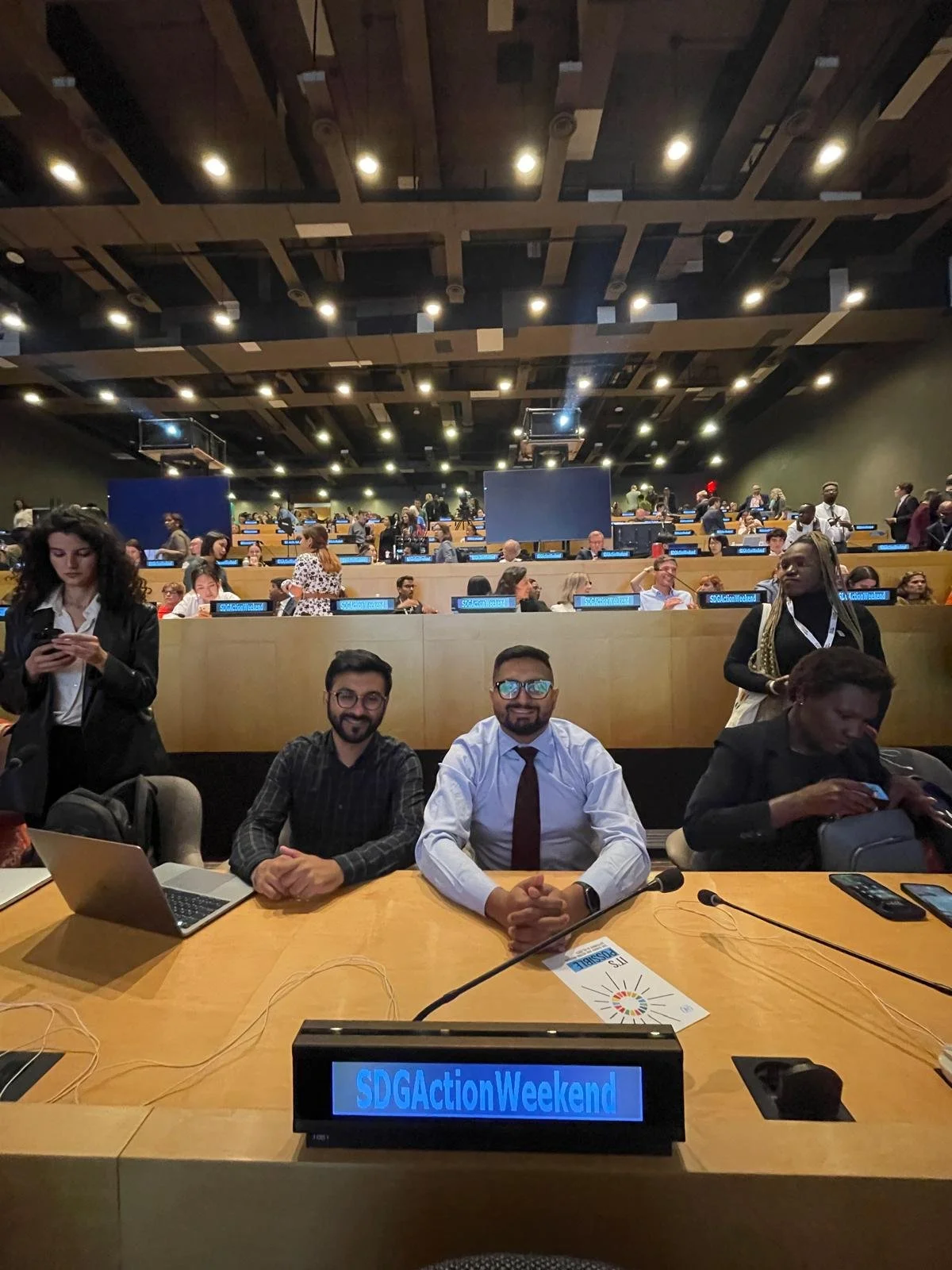
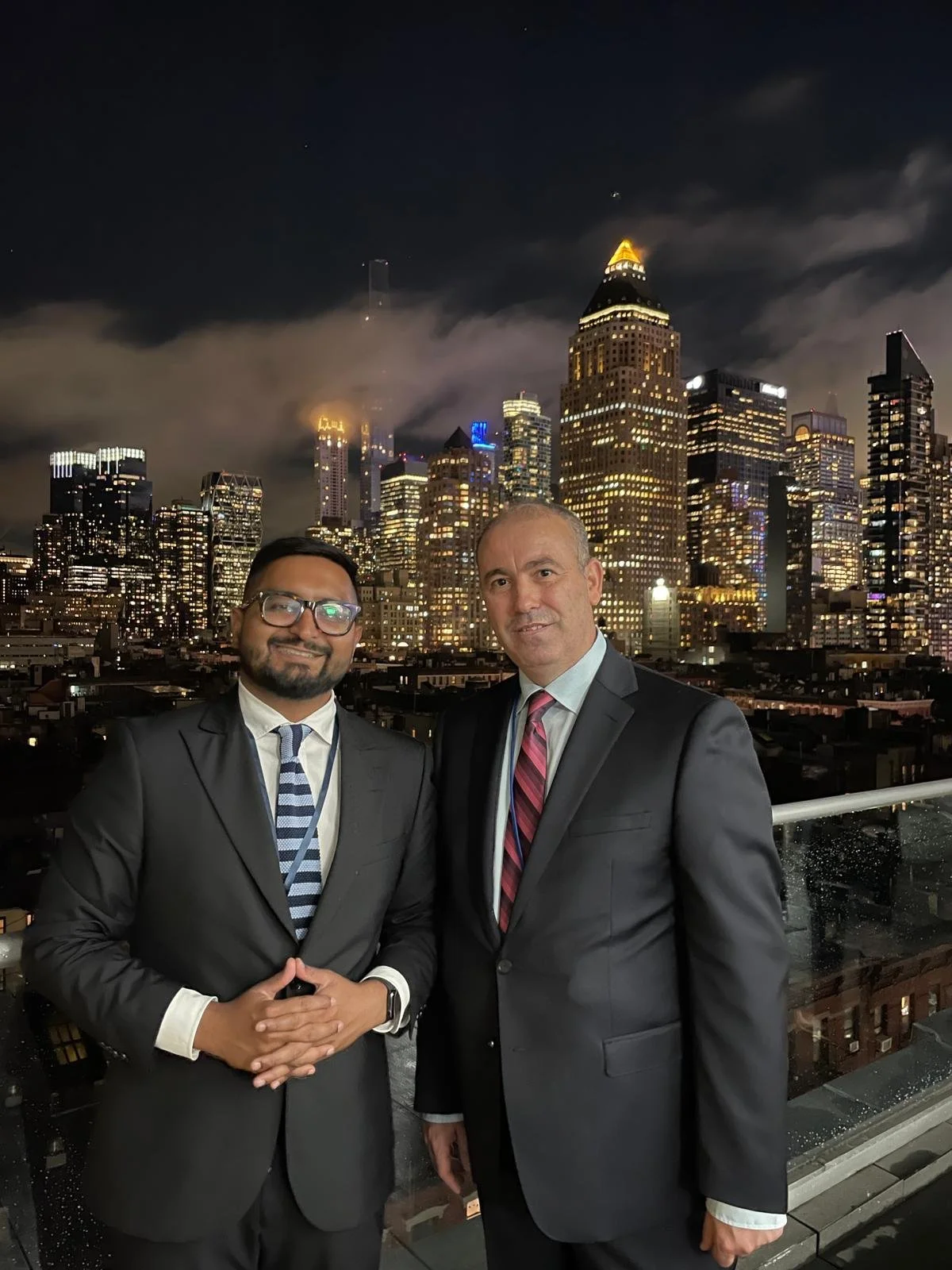
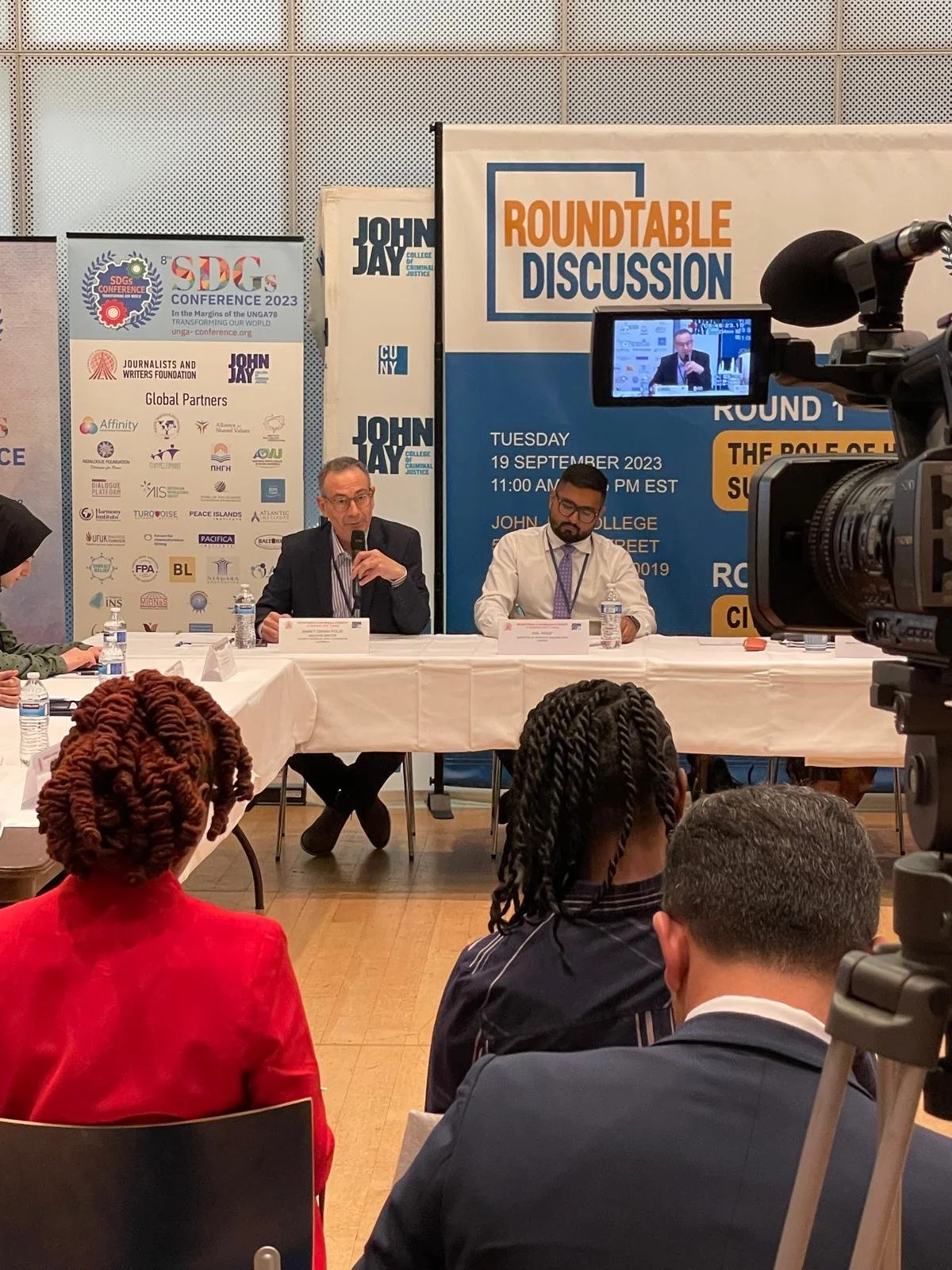
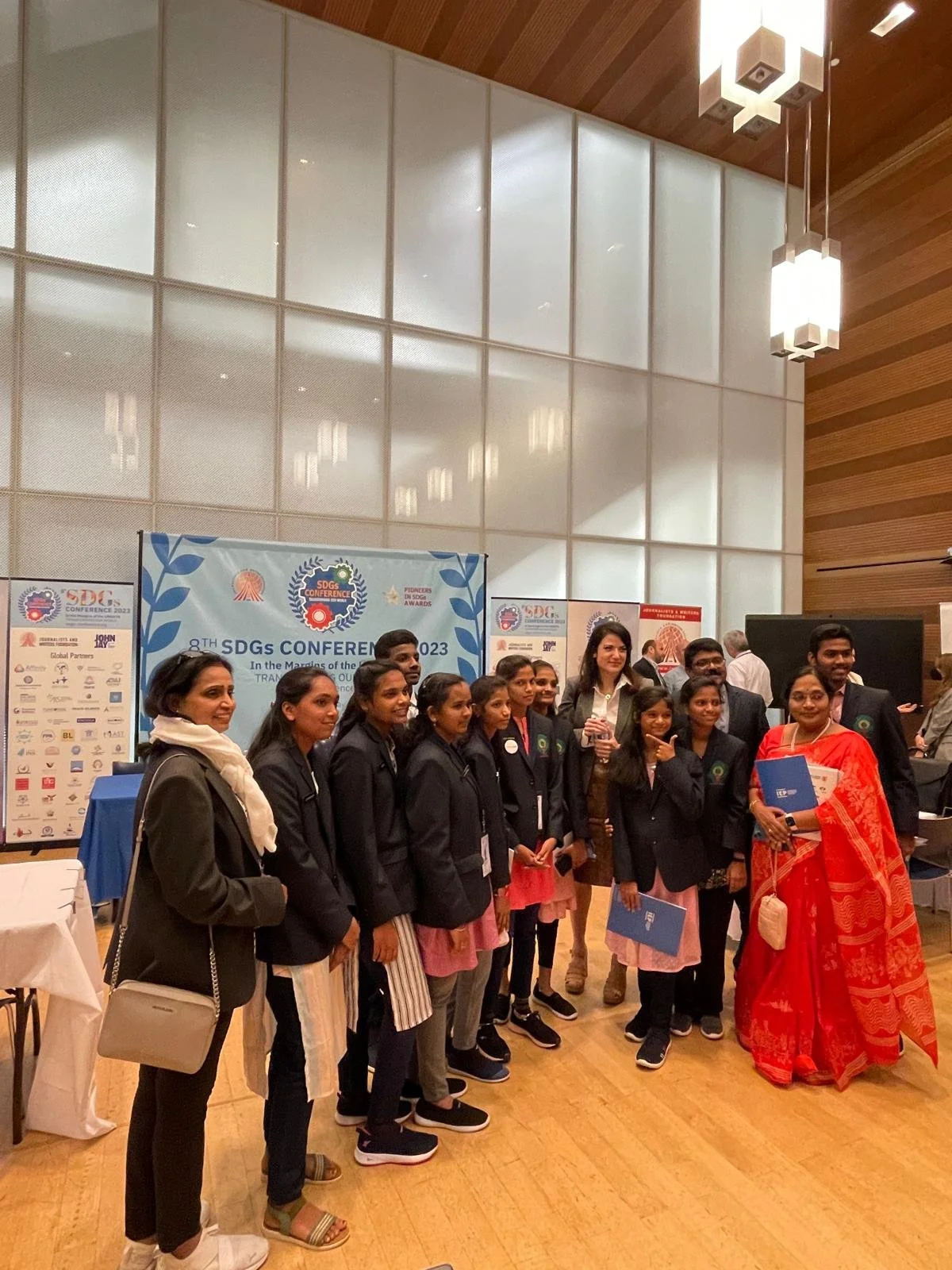
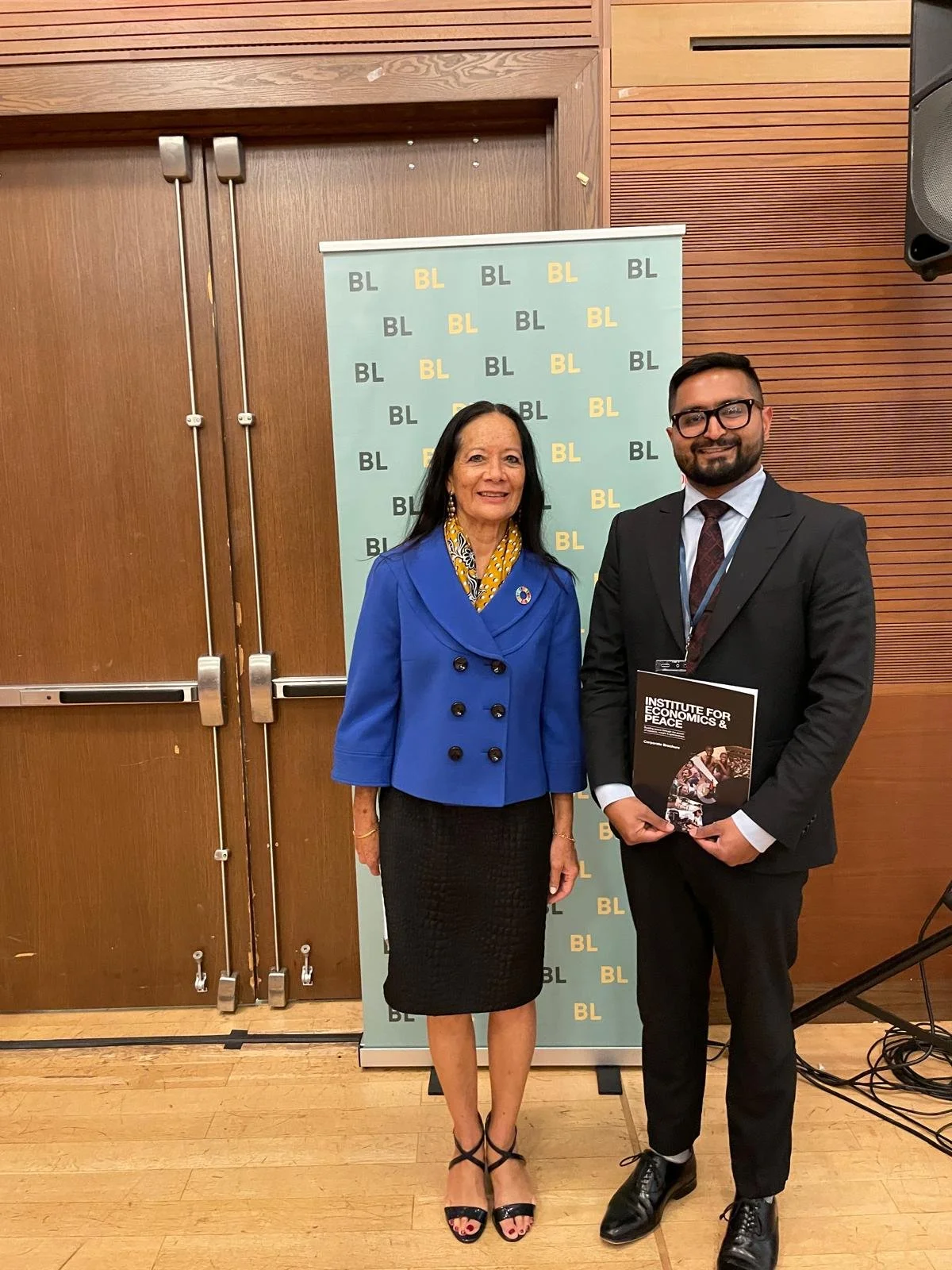
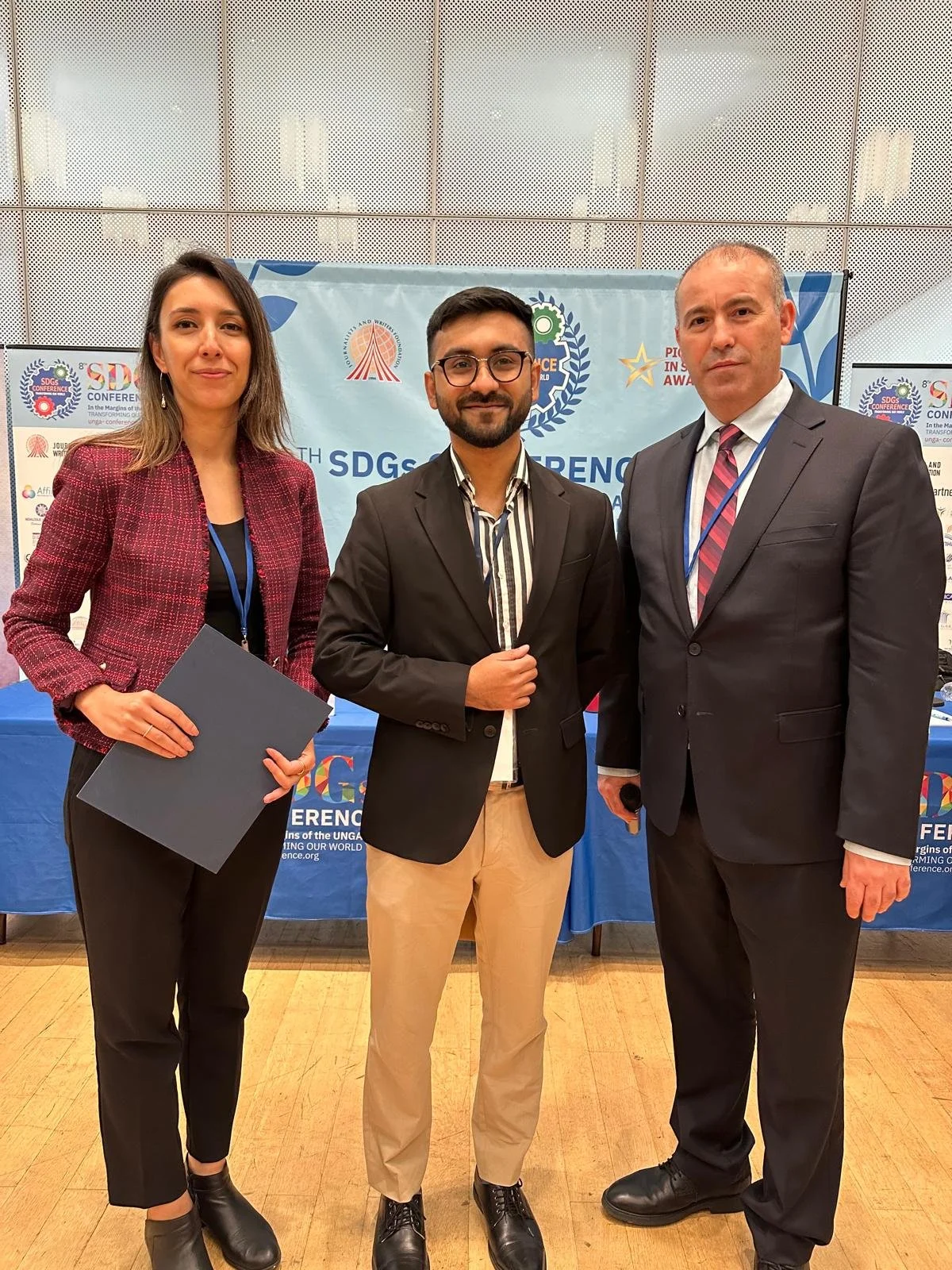
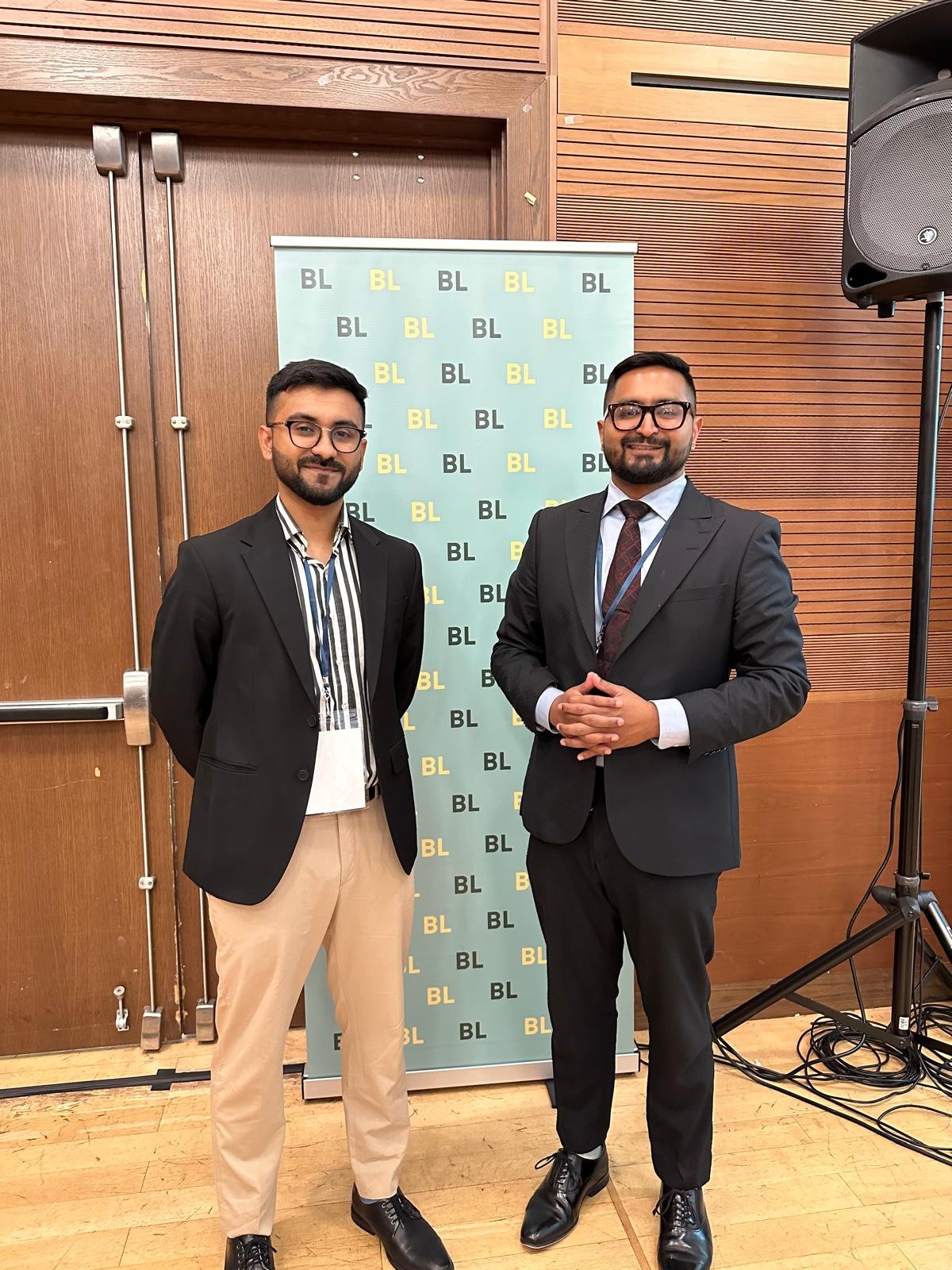
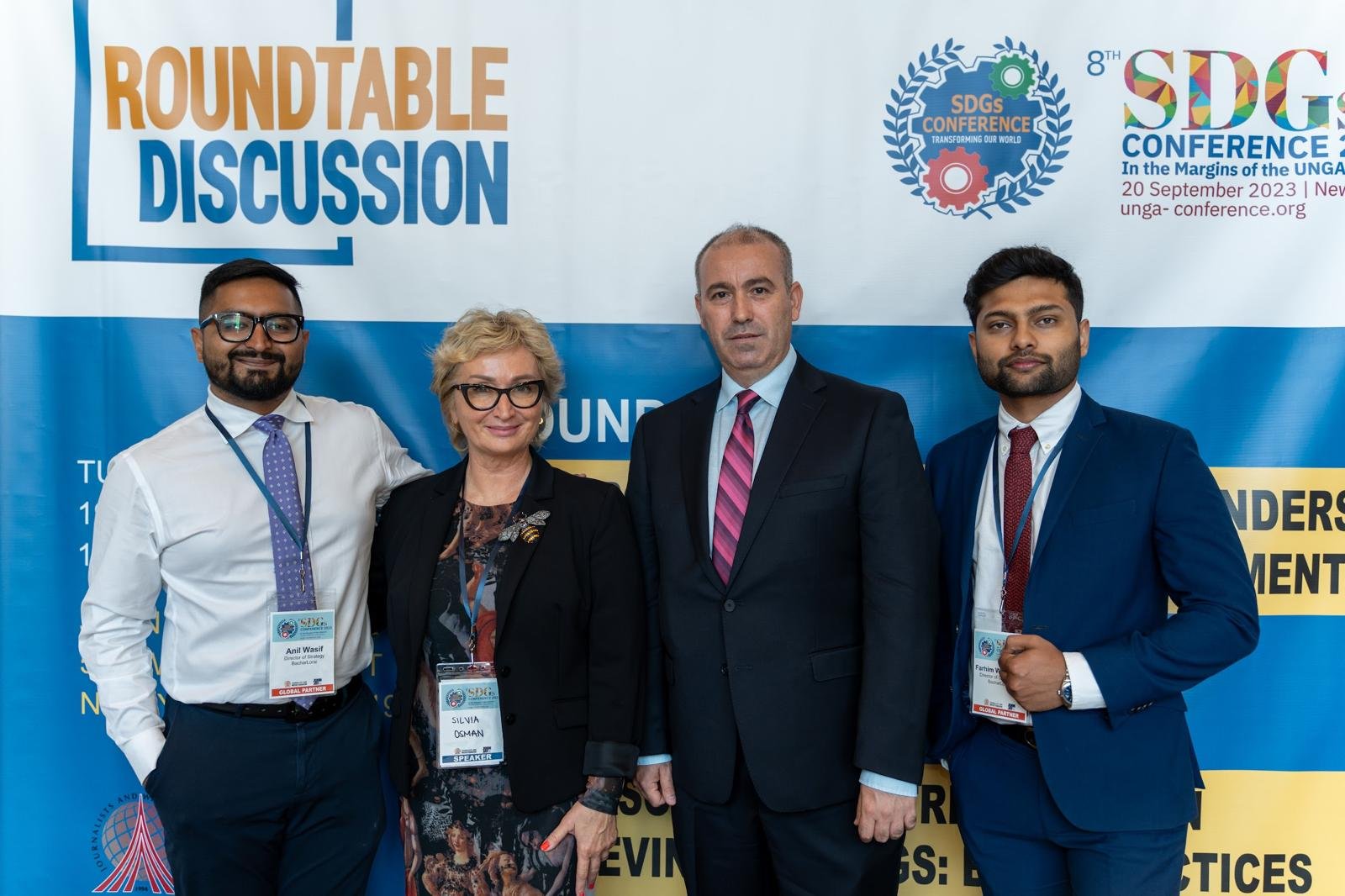
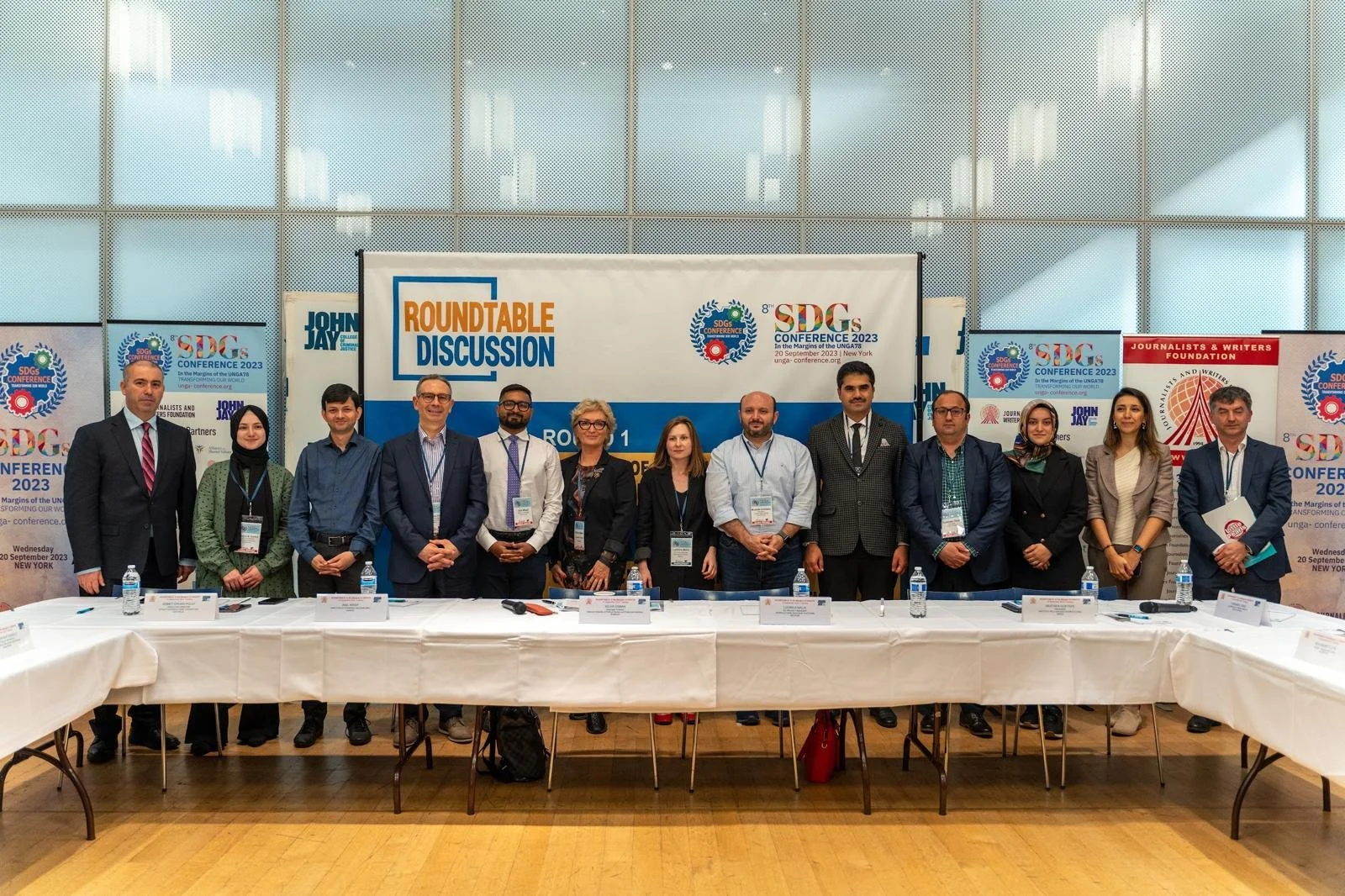
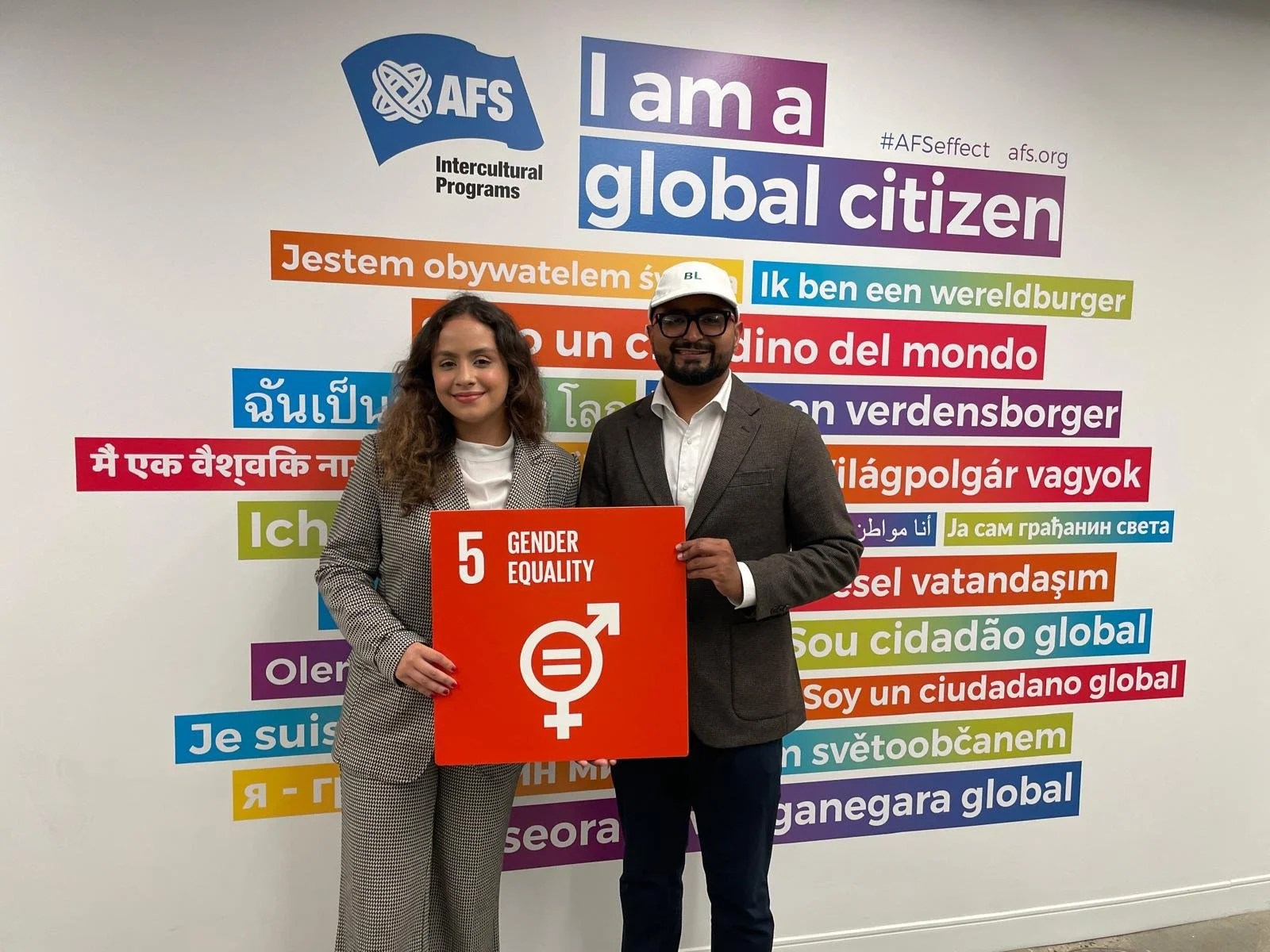
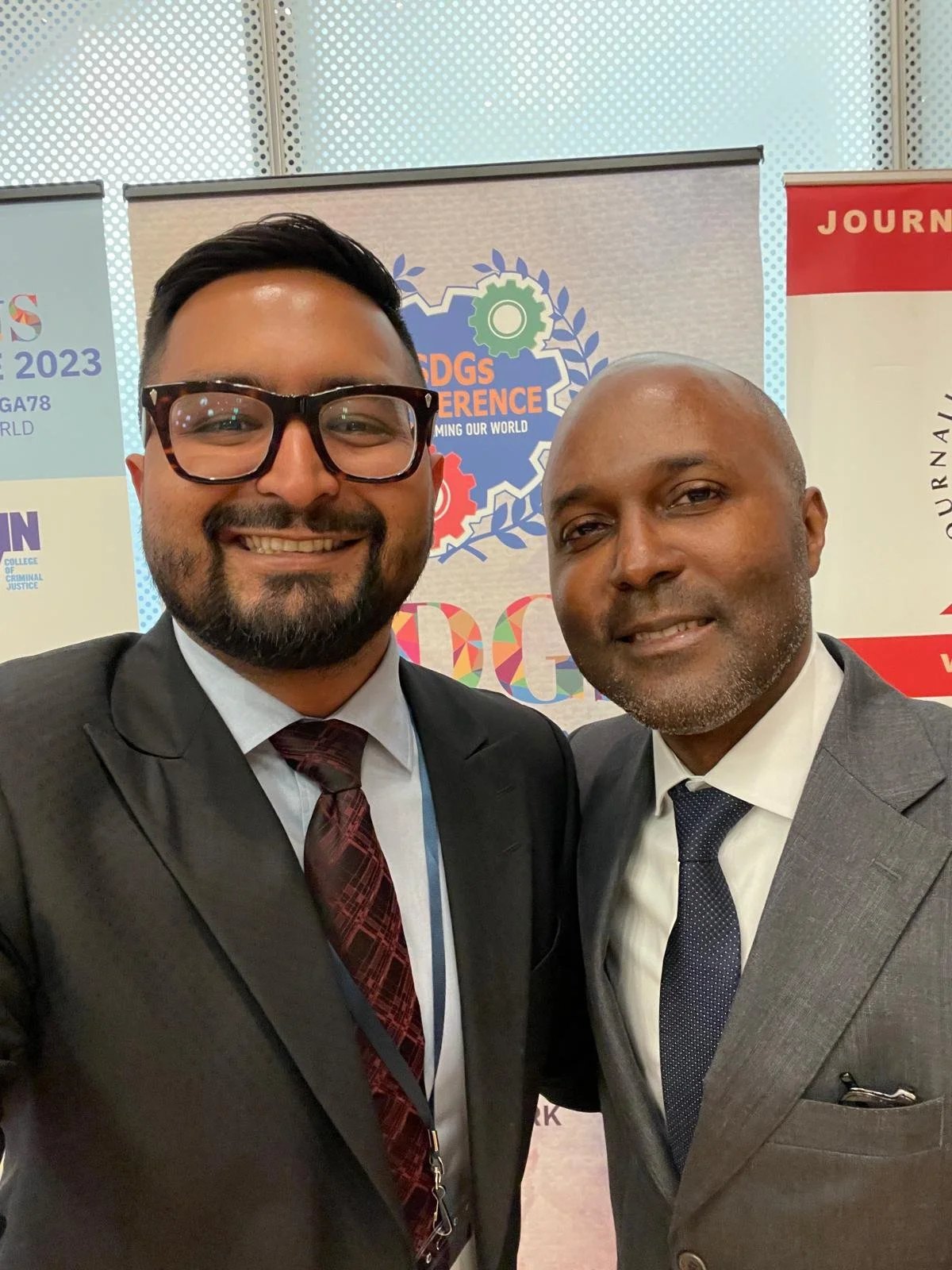
UNGA78 was our first full week at the United Nations. In September 2023, a two-year-old organization from Toronto and Dhaka arrived in New York with an accreditation letter, a partnership agreement signed the month before, and no track record to point at. We left with two panels behind us, a relationship with our country's mission to the UN, and the question that became our first policy brief.
What we moved forward
We signed our first UN partnership. A memorandum of understanding with the Journalists and Writers Foundation for the 2023 SDGs Conference began a collaboration that has now run for three consecutive General Assemblies.
We spoke on two panels and reached 190 people. Seventy at the JWF conference session on civil society best practices, and 120 at the International Youth Conference session on South Asian youth and the Sustainable Development Goals.
We were accredited to the SDG Summit. Our letter of representation covered the SDG Summit and its Action Weekend, the halfway-point stocktake of the 2030 Agenda.
We met Bangladesh's Permanent Representative to the UN. Conversations with Ambassador Muhammad Abdul Muhith and the Permanent Mission gave us the context for UN Resolution 77/287 on community-based primary health care, and the advice that targeted research is what turns a resolution into local health outcomes.
That advice became our policy brief. It set the scope for Scaling with Cause, our evaluation of Bangladesh's community clinic program in the Barishal division, researched through 2024 and launched the following year.
A small organization at a large stocktake
The 78th General Assembly opened with the SDG Summit, the midpoint review of the 2030 Agenda, and the verdict was blunt: most targets were off track. The Action Weekend that preceded it was built to gather solutions rather than speeches, which made it an unusually open week for civil society.
We came in through the Journalists and Writers Foundation's SDGs Conference, held in the margins of the Assembly with 52 partner organizations from 27 countries and more than 150 speakers across three panels. Our session, on civil society contributions to the SDGs, dealt with the part of the system that rarely makes the communique: what grassroots organizations actually do, what it costs them, and how quickly the environment for that work is narrowing.
The argument we made, alongside panellists from Romania, Australia, Moldova and Brazil, was that civil society impact is most direct at the local level and most fragile there too. Organizations need an ecosystem that lets them survive: predictable funding, legal room to operate, and partnerships that treat local knowledge as expertise rather than logistics.
Youth work is education policy
The same day, at AFS headquarters, the 8th International Youth Conference ran a session on the role of South Asian youth in achieving the SDGs. One hundred and twenty people attended. The panel brought together an urban designer and ECOSOC delegate, an educationist, a foundation board member, a representative of the Dalit Lives Matter Global Alliance, and the founder of Empowering Afghan Women.
The conversation kept returning to education as the entry point for everything else: access for marginalized communities, whether young people are in the room when decisions are made, and the social, economic and political barriers that differ across the region but rhyme. The conference was organized with the Civil Society Unit of the UN Department of Global Communications, UN-Habitat and the International Organization for Migration, which was our first working contact with the part of the UN system we would formally associate with two years later.
The meeting that set the research agenda
The most consequential hour of the week was not a panel. We met Ambassador Muhammad Abdul Muhith, then Bangladesh's Permanent Representative to the United Nations, and colleagues at the Permanent Mission.
The conversation turned to UN Resolution 77/287, Bangladesh's initiative on community-based primary health care, adopted earlier that year. The advice we took away was practical: a resolution changes little without evidence about whether the model works on the ground, and targeted research is how civil society can be useful to a mission rather than an audience for it.
That is the origin of our community clinic policy brief. It set our scope, Barishal division, and our method, a review of the existing literature followed by interviews with local advocates, practitioners and nonprofit leaders, then surveys and focus groups. The research ran through 2024 and was presented at Stanford Medicine's community health symposium and an international global health forum before publication. A single meeting in September 2023 is still visible in what our research team works on.
What we learned about showing up
Three things from that first week have held since.
Partnerships open doors faster than applications. The JWF memorandum was signed in August 2023, and it is why we had a platform in September rather than a seat. Two years later the same partnership put our staff on stage at UNGA79 and in the room at UNGA80.
Missions want specifics. Arriving with a question about a particular resolution, rather than a general offer to help, is what produced a working relationship with Bangladesh's mission that has continued through three ambassadors.
Research is the strongest form of advocacy available to an organization our size. We cannot convene ministers. We can evaluate a health program in a division of nine million people and publish what we find.
UNGA78 is the year the pattern started. If you would like to speak at our events, mentor or join our fellowship, or work with us on research, we would like to hear from you.