BLG at the 79th U.N. General Assembly
Field Notes
Louise Blais, the former Canadian ambassador to the UN, once wrote that at a time when the big solutions elude international consensus, a great many smaller wins are achieved in the margins. UNGA79 was the year BacharLorai Global tested that idea from the stage rather than the seats.
What we moved forward
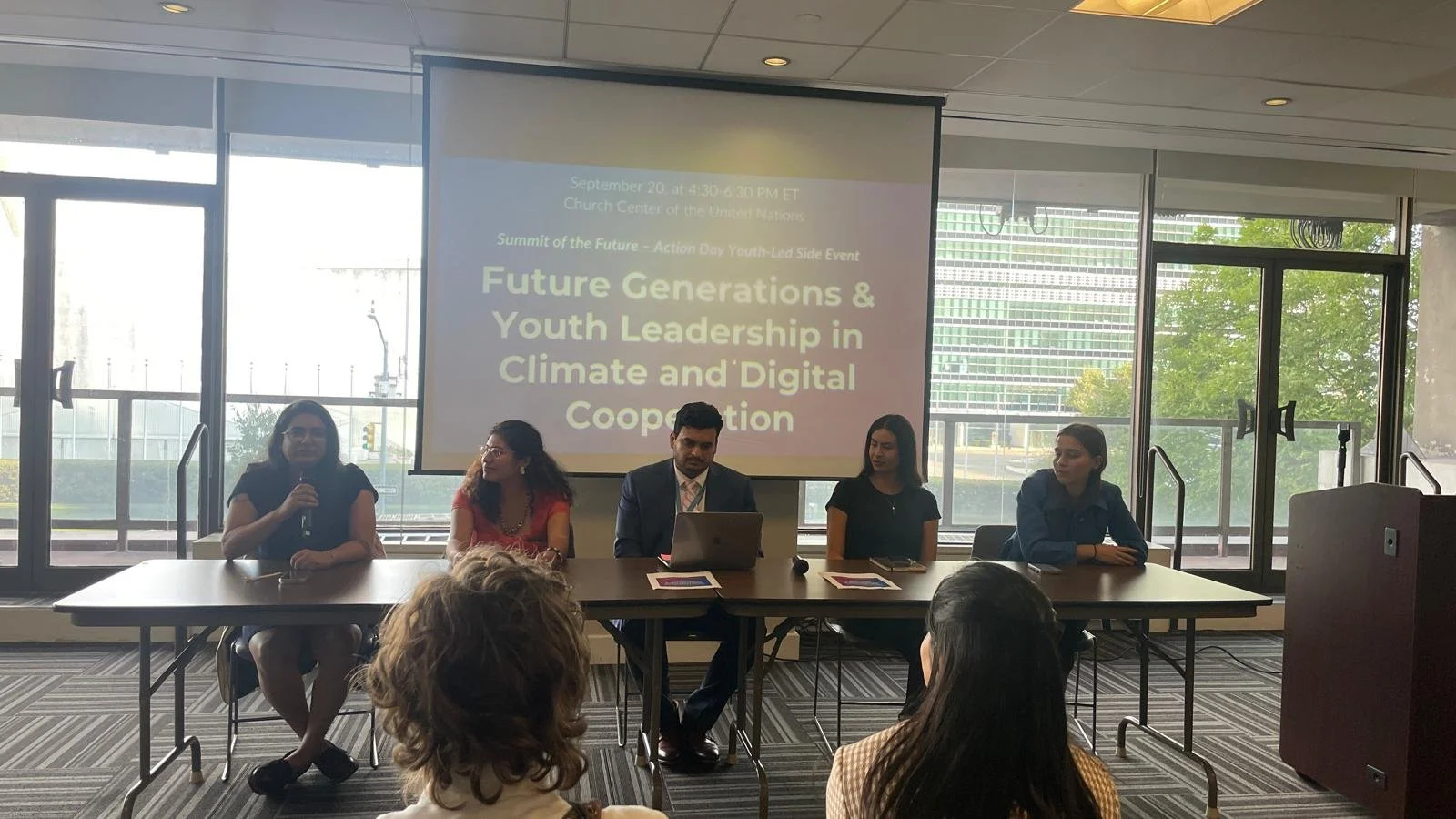
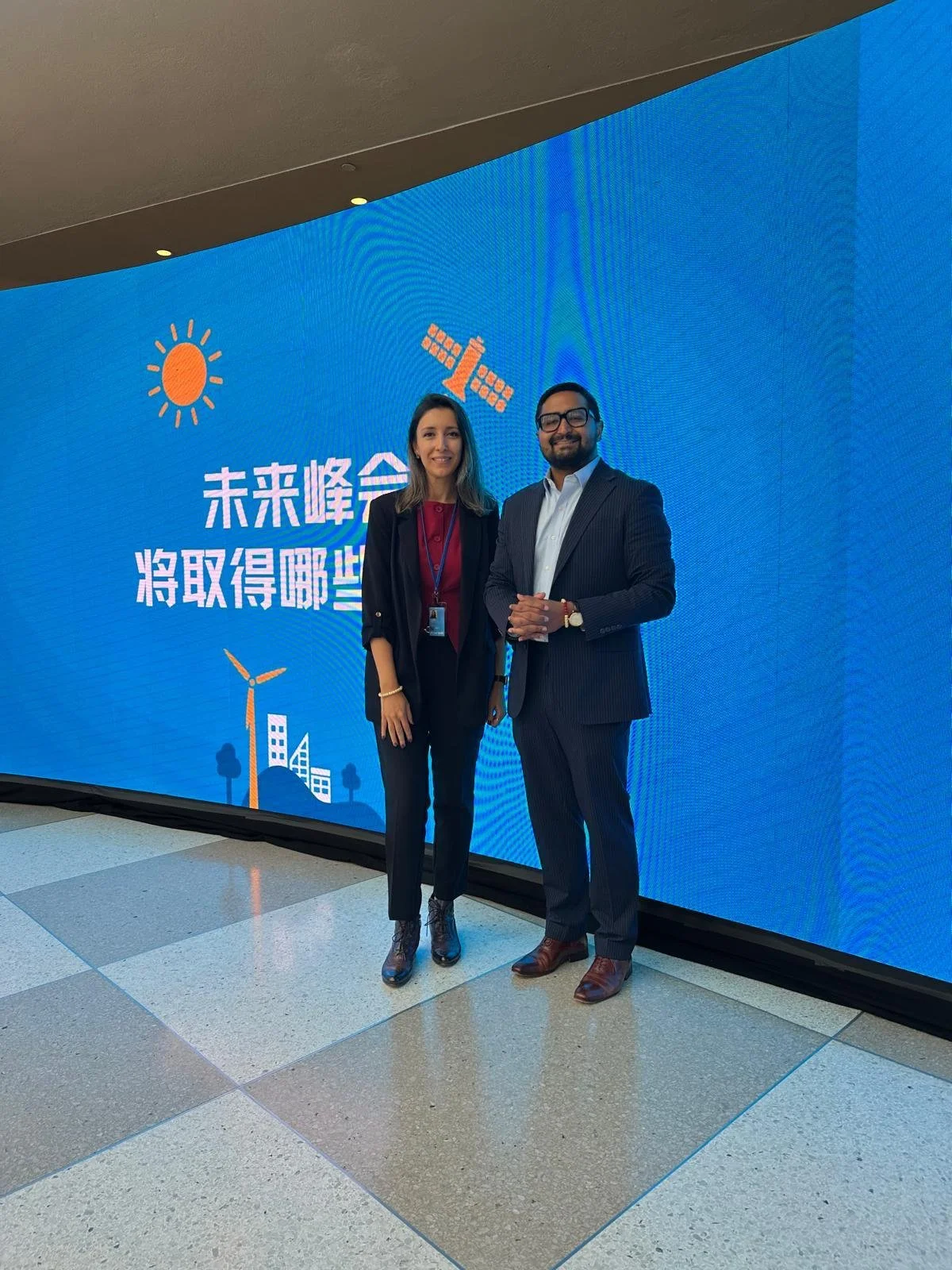
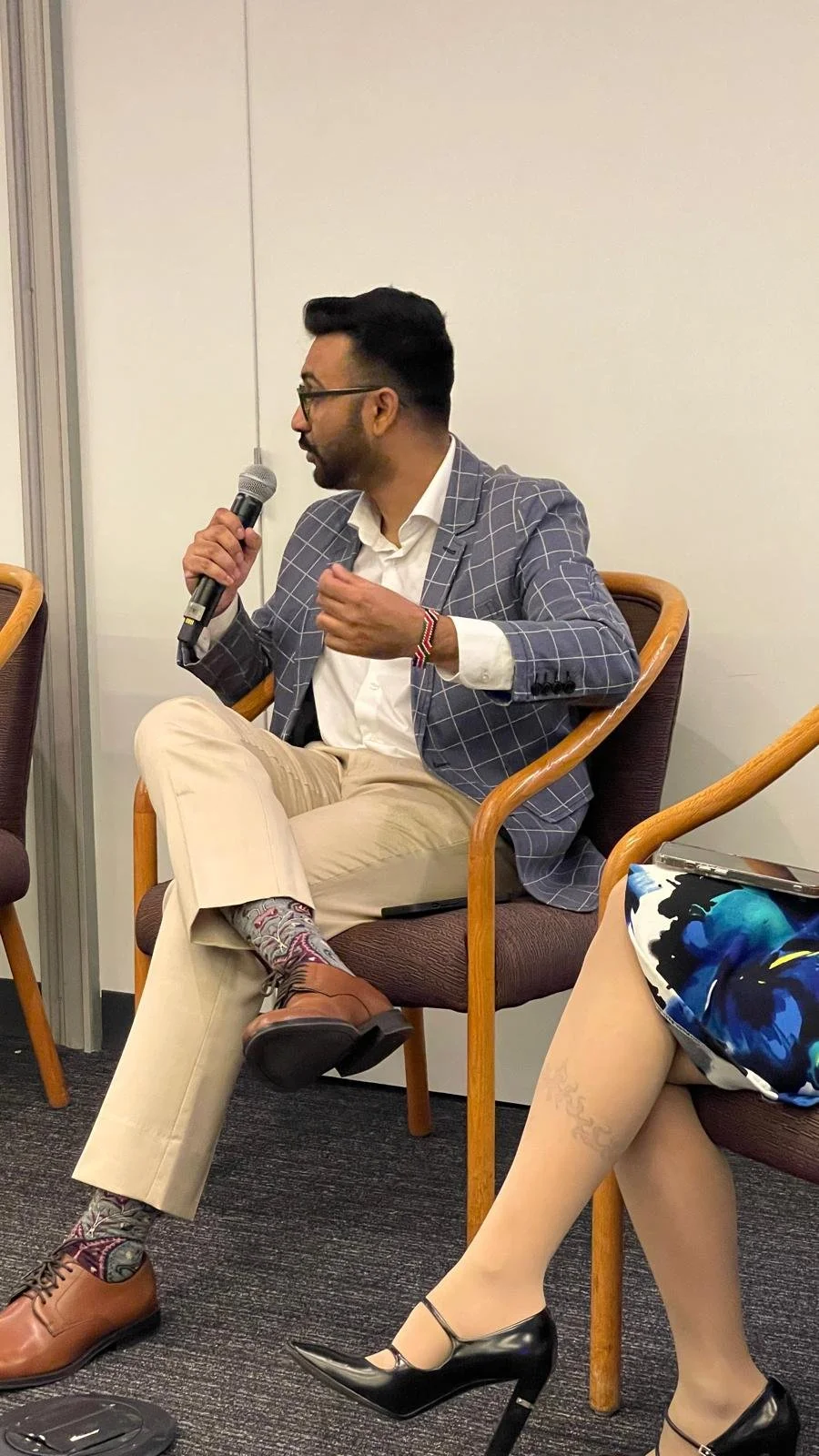
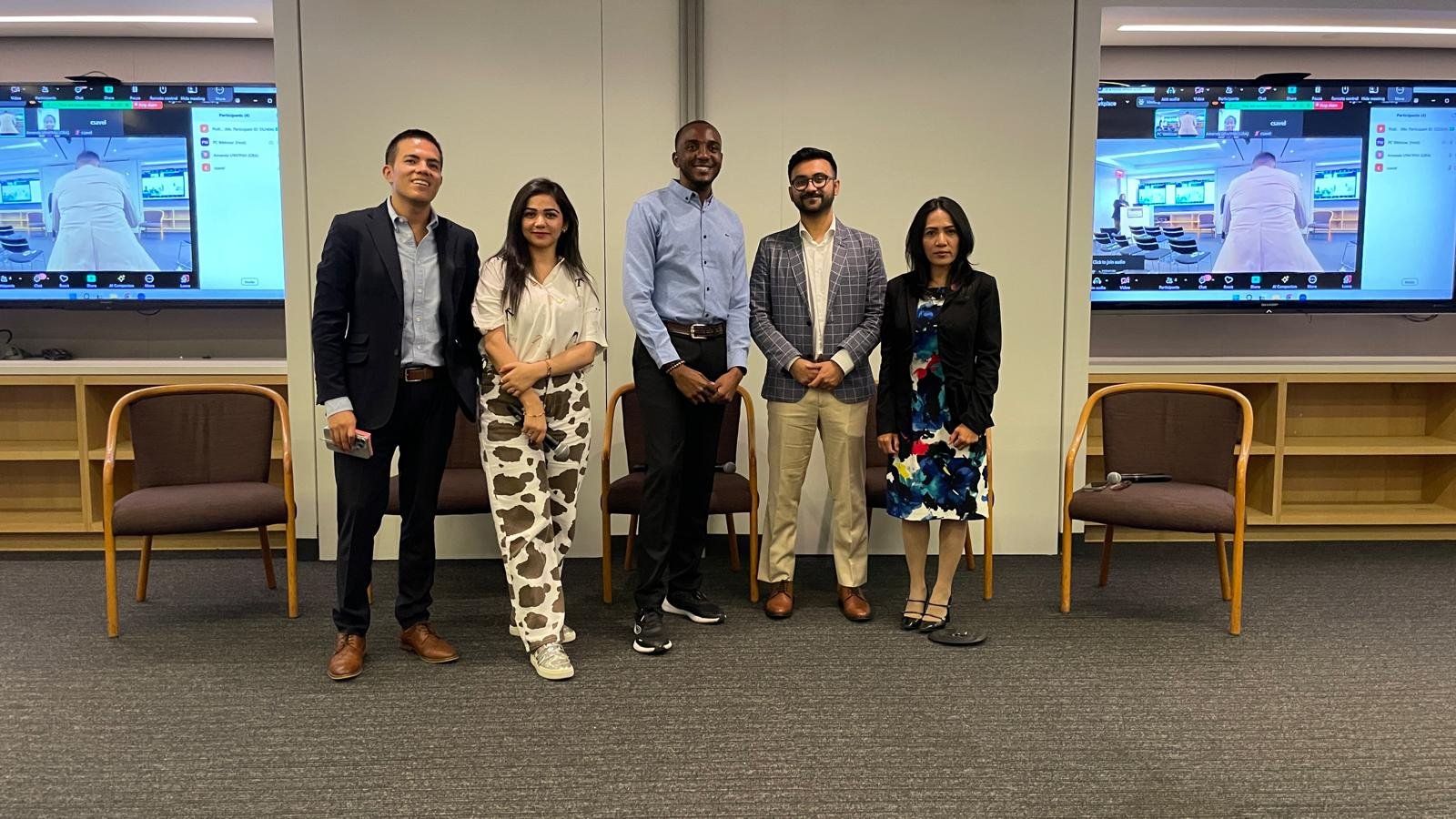
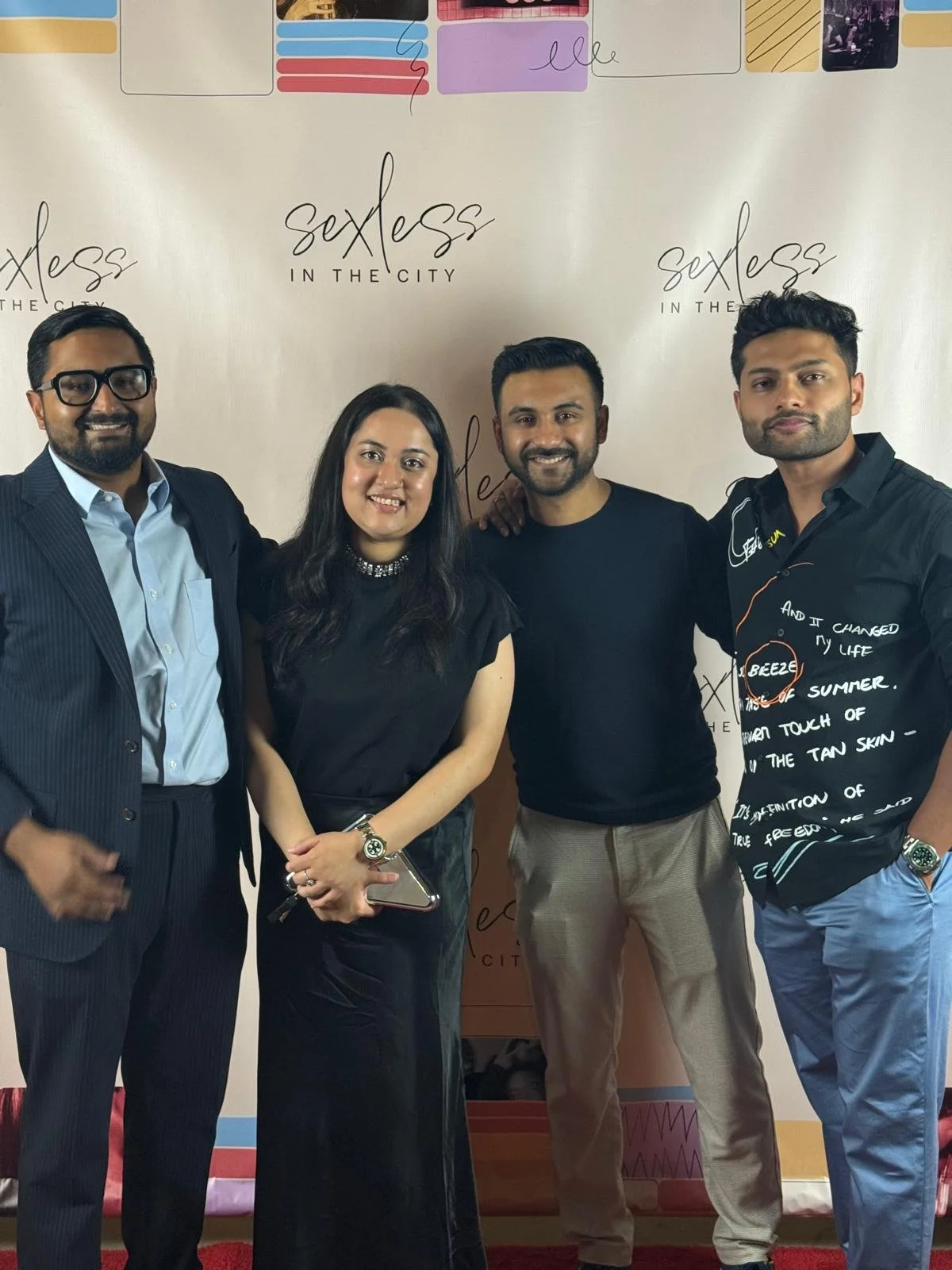
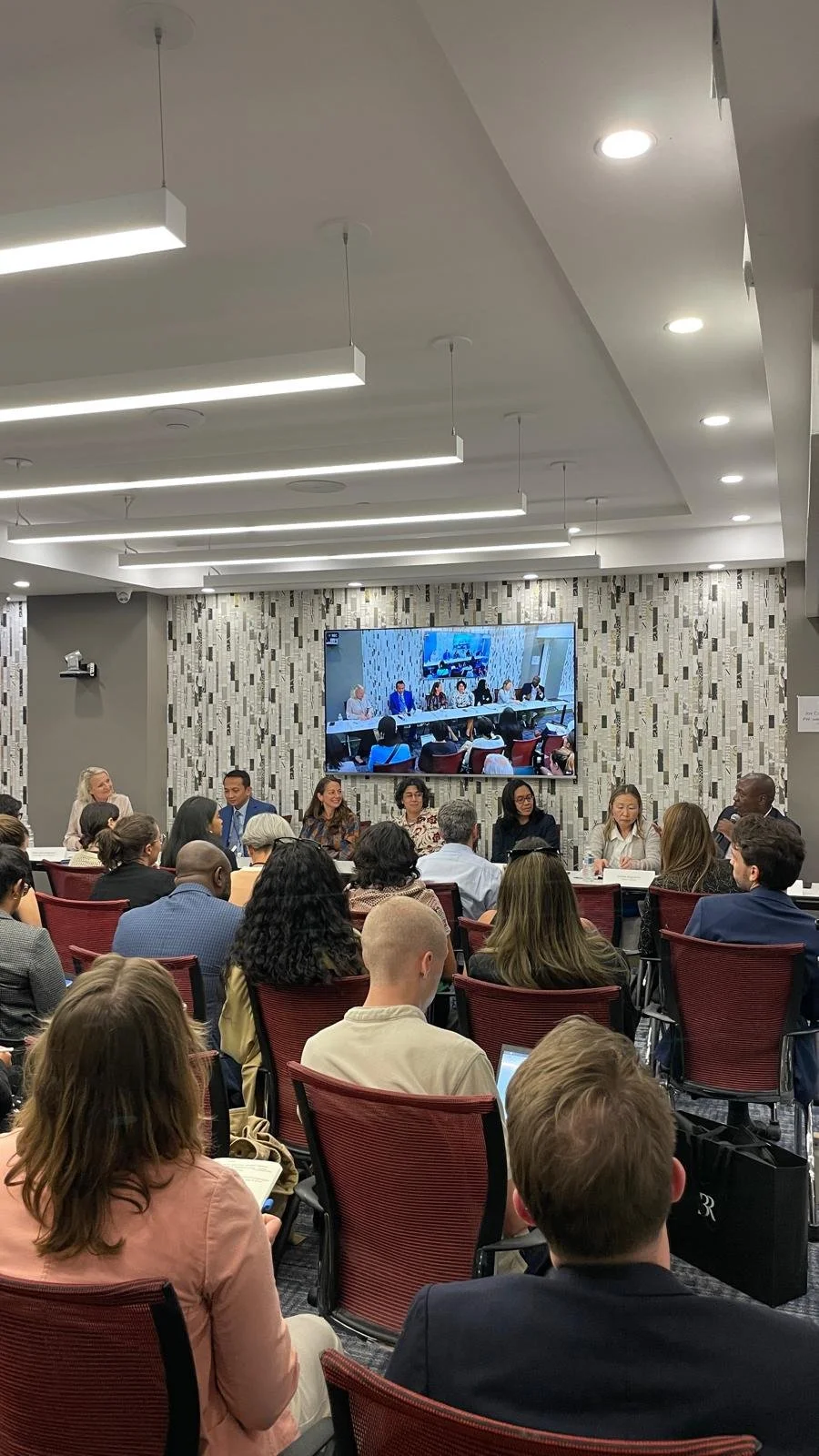
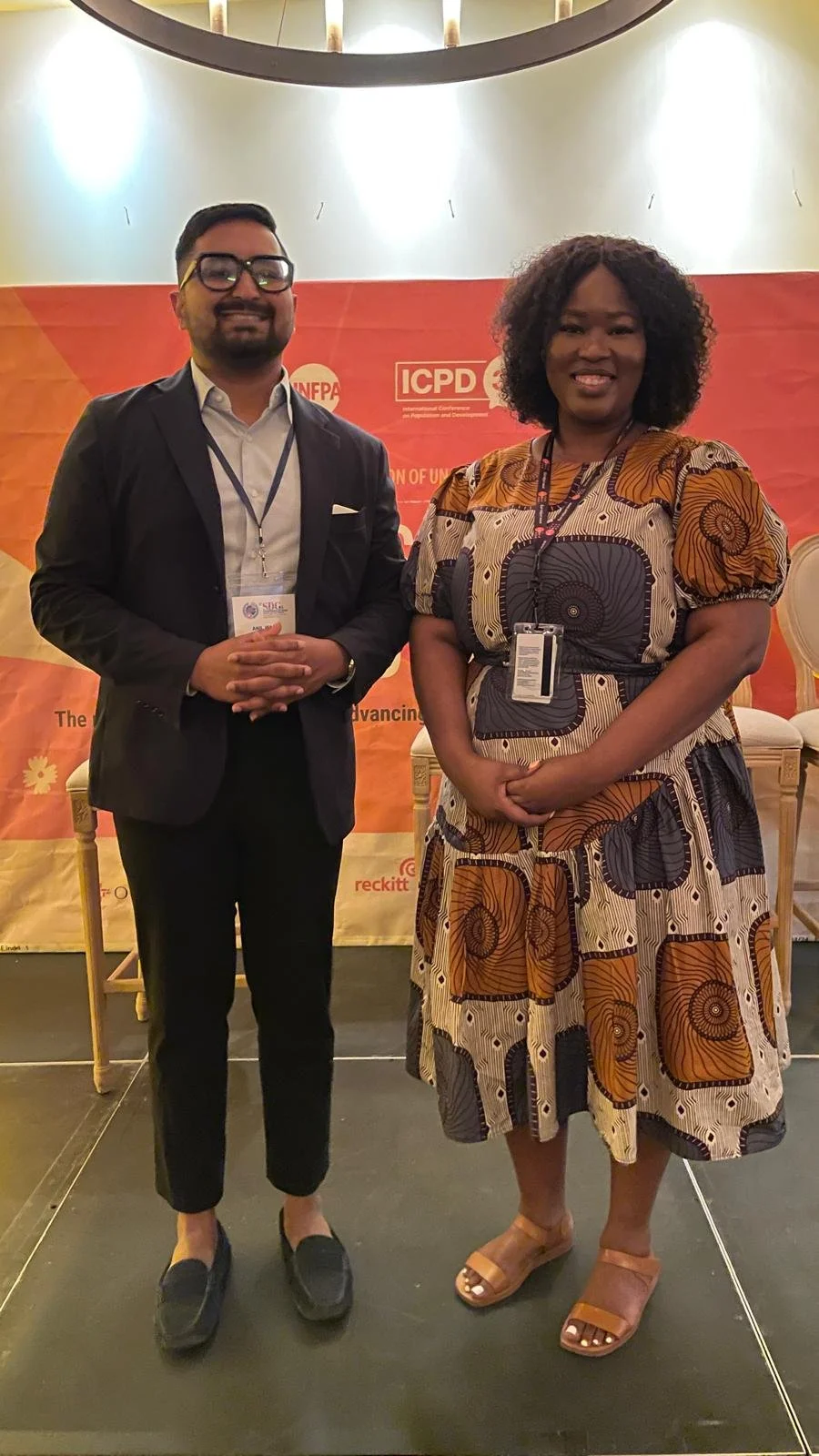
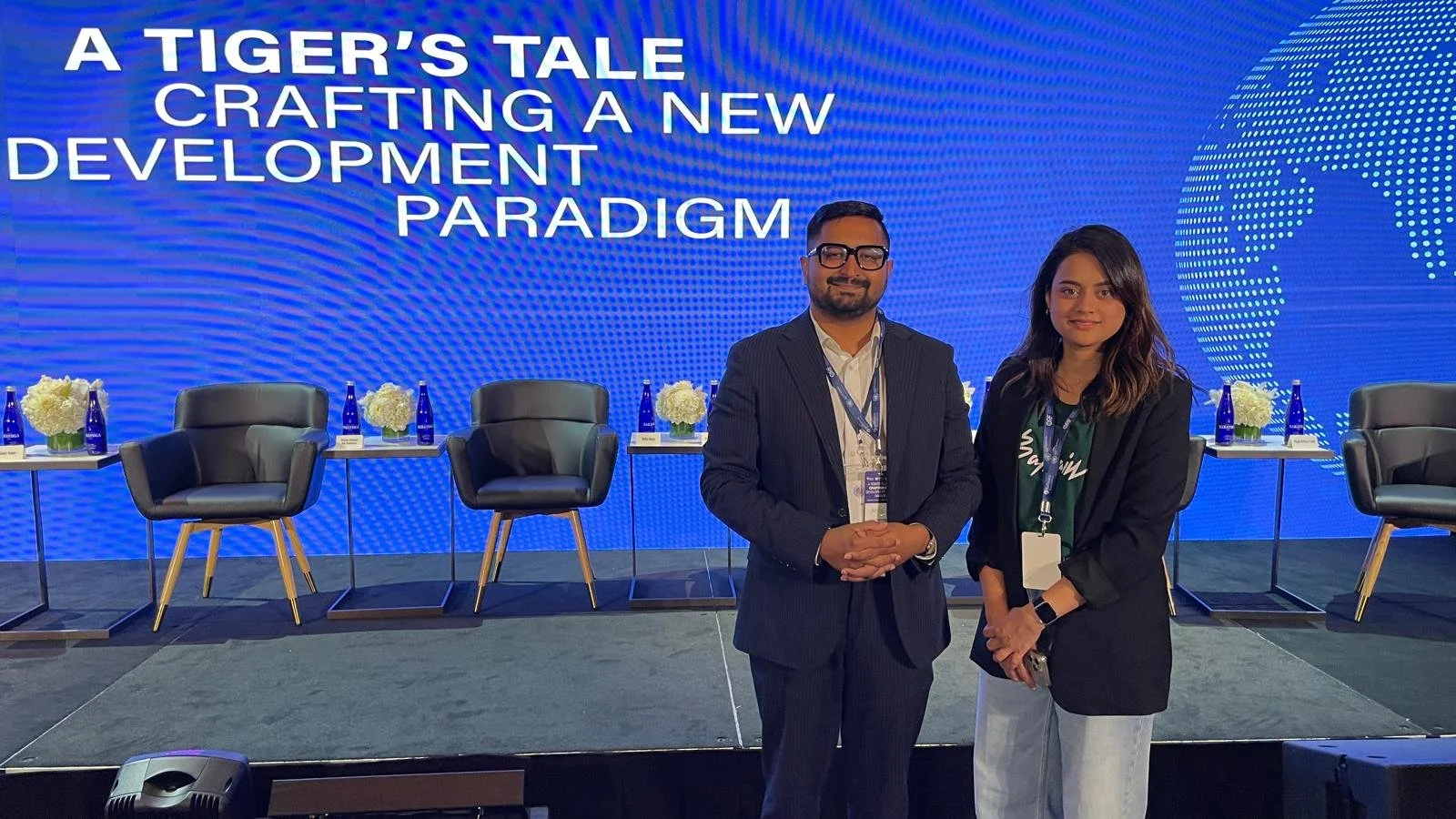
We spoke at four panels instead of attending them. Our Director of Strategy led the Summit of the Future session on revitalizing the Pact for the Future and spoke on the root causes of conflict at the International Youth Conference. Our Program Manager for Policy Research presented our menstrual health work to a civil society audience. Our Director of Communications spoke on art as a tool for advocacy in sexual and reproductive health.
We reached 477 people directly. 245 at the International Youth Conference, 79 at an online global health forum, 70 at the Pact for the Future panel, 63 at the civil society best practices session, and 20 at the Population Council roundtable.
We put our research in front of a global audience. Early findings from our community clinic policy brief were presented at the International Global Health Panel, alongside speakers from 17 organizations across four continents.
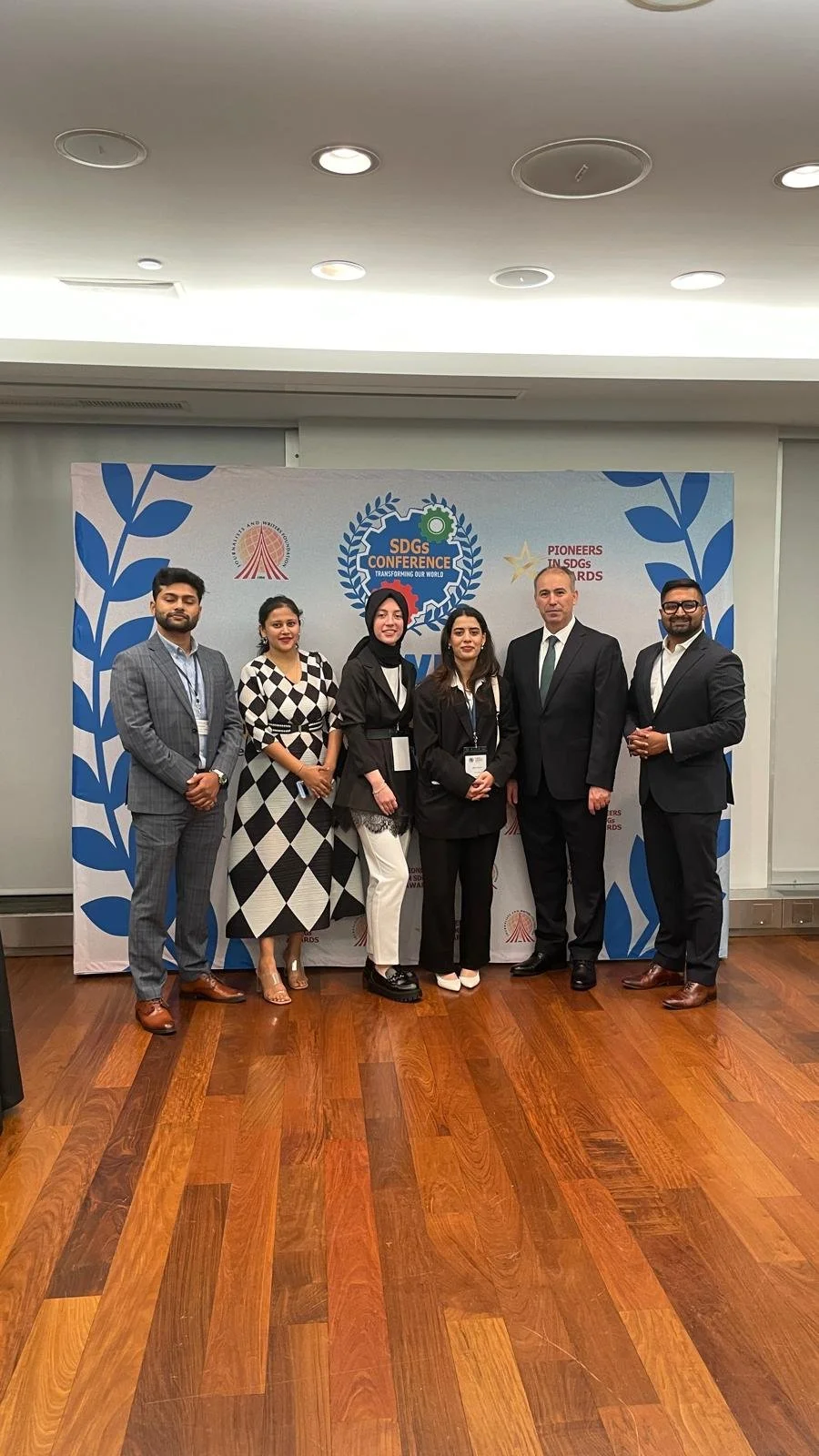
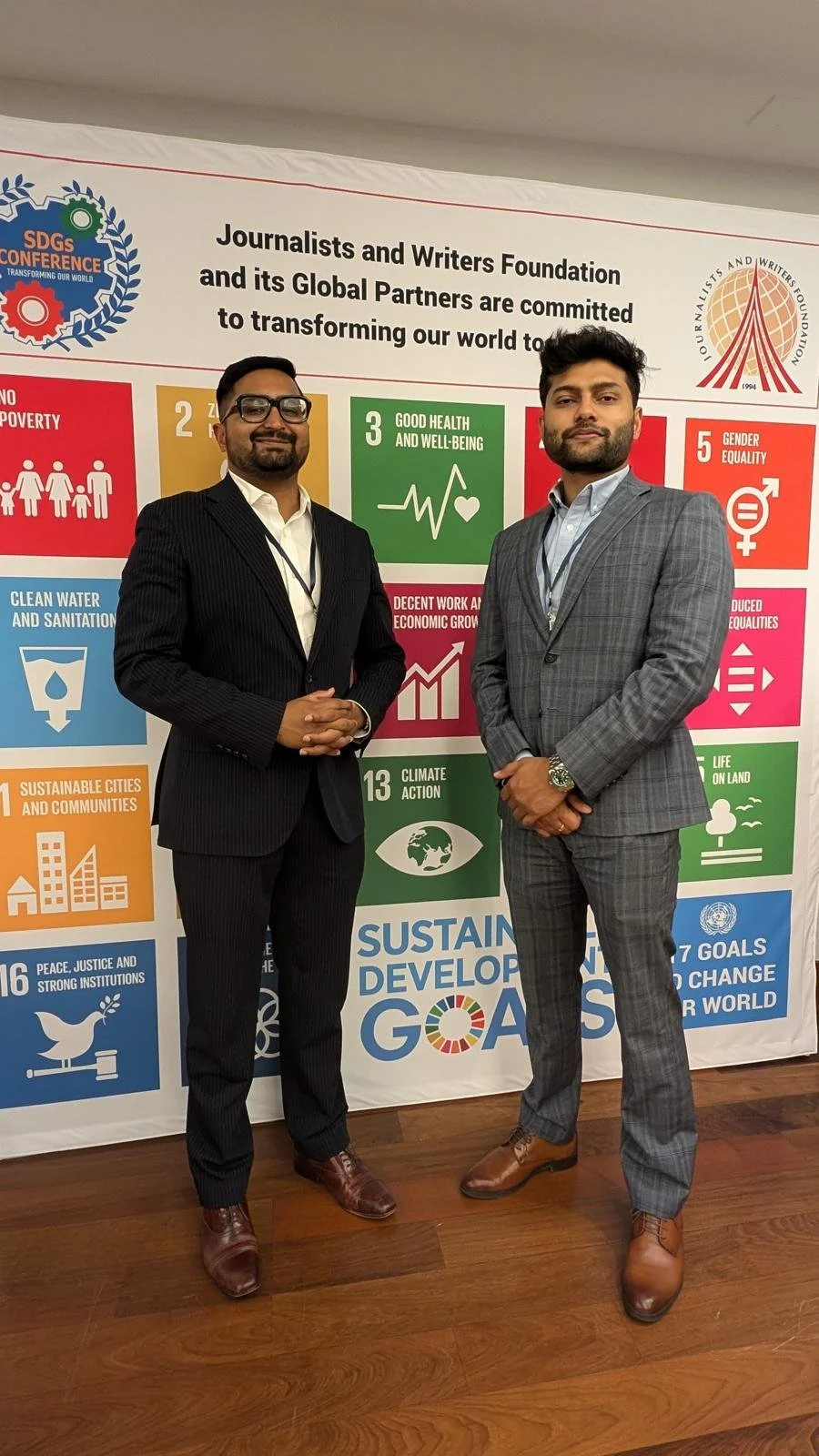
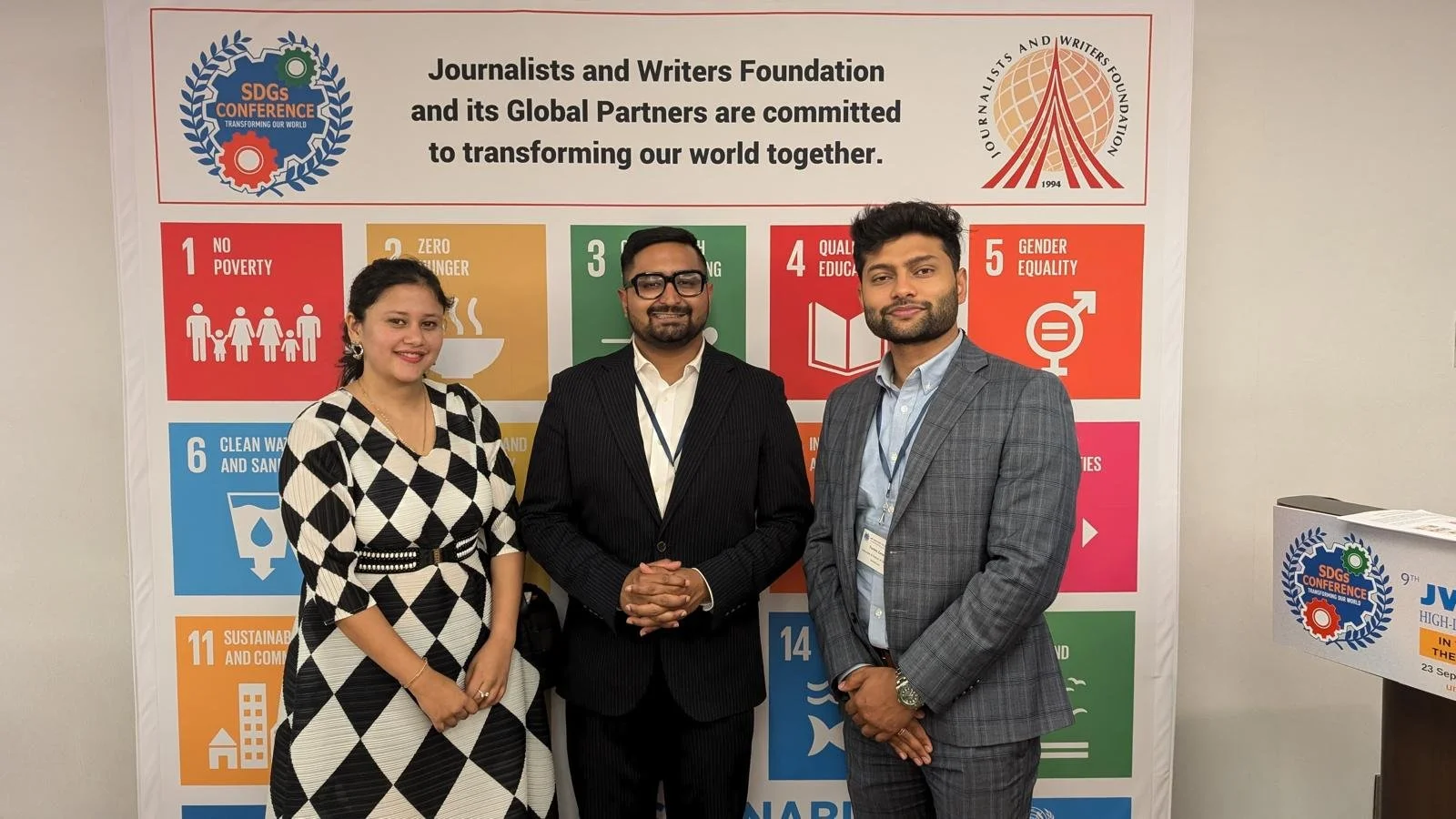
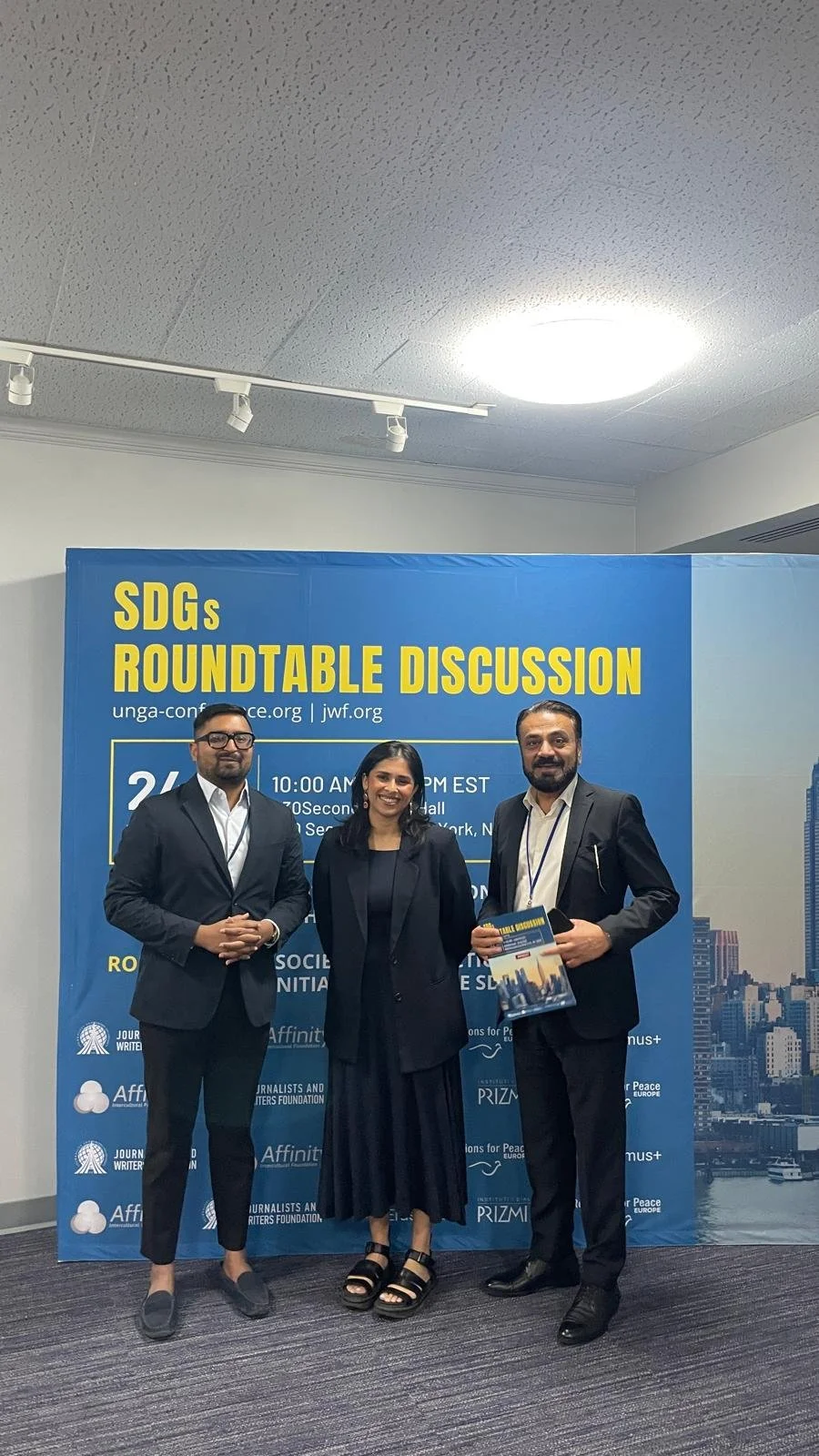
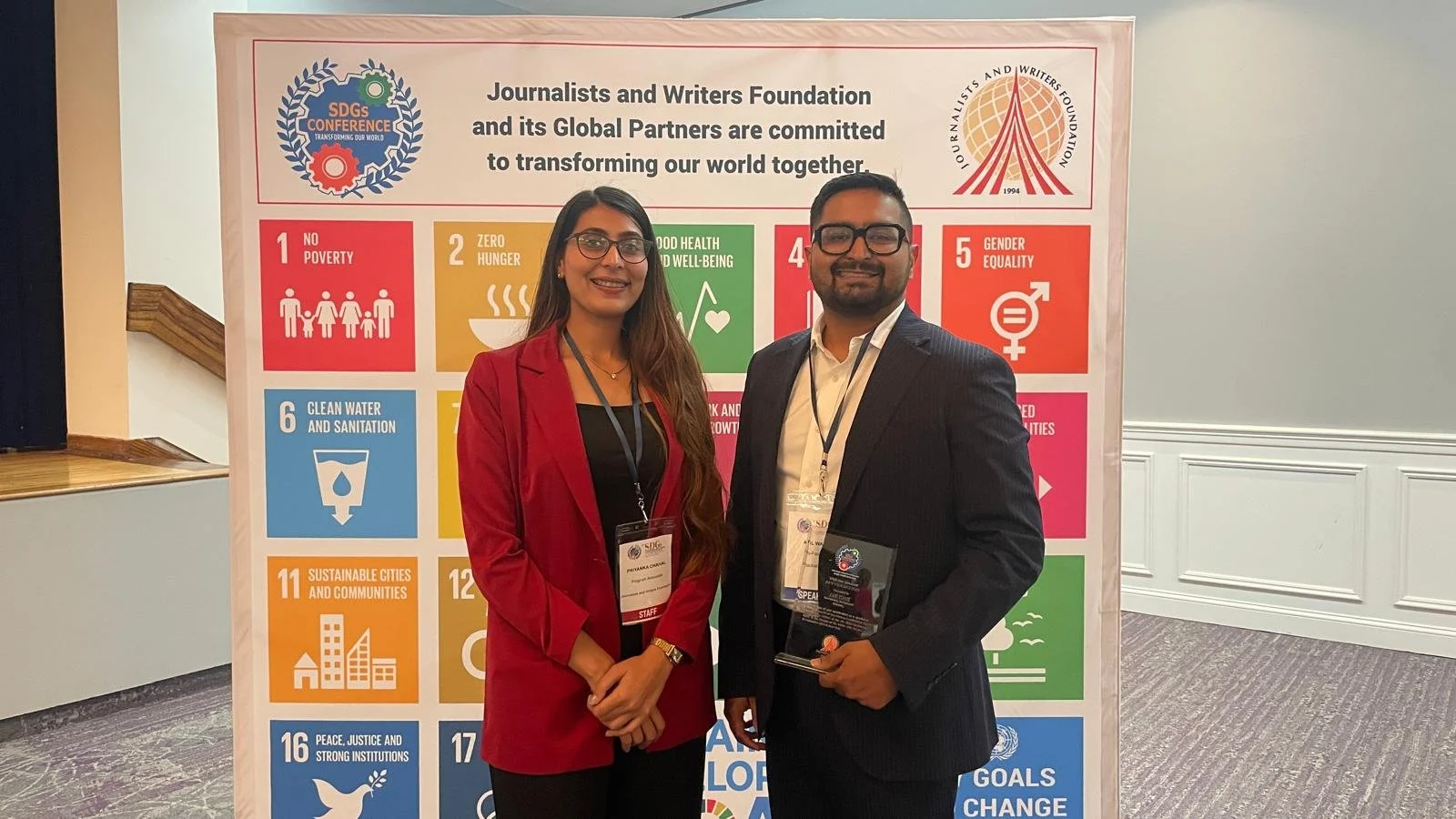
We deepened the partnership with the Journalists and Writers Foundation. Two of the three panels were JWF sessions, in what became the middle year of a three-year collaboration.
We left with a CSW69 panel. Visits to the Permanent Mission of Bangladesh to the UN secured support for our community clinic policy brief and an endorsement to organize a panel at the 69th Commission on the Status of Women, which we ran in March 2025.
We fed into the Pact for the Future. At the Summit of the Future we submitted feedback and recommendations on the Pact itself, and wrote about the week for Policy Magazine.
We published while the week was running. Our Managing Director published two columns in Policy Magazine: on Bangladesh's return to the international stage under Muhammad Yunus, and on what a week in the margins of the UNGA actually looks like.
Youth participation is a funding question before it is a values question
At the Summit of the Future panel on September 2024, hosted by the Journalists and Writers Foundation, the discussion turned to the Pact for the Future and what civil society could do with it. Seventy people were in the room, alongside Nigeria's ambassador to UNESCO, CIVICUS, the co-chair of the 2024 UN Civil Society Conference and the Raoul Wallenberg Institute.
Our argument was that youth empowerment is an organizational design question, not a statement of values. “The first thing you have to do in all of your organizations is to ensure that young people get maximum visibility and their inputs are considered seriously,” we told the panel. In practice that means decentralizing: nine program managers delivering their own projects with their own ideas rather than a single office setting every decision. It also means publishing financial statements, because making information accessible to young people is what lets them see the bigger picture.
The session closed on the line we still use: decentralizing power and giving it to young people to do the things they want to do is how we close the gap on the Sustainable Development Goals.


Period poverty is a partnership problem
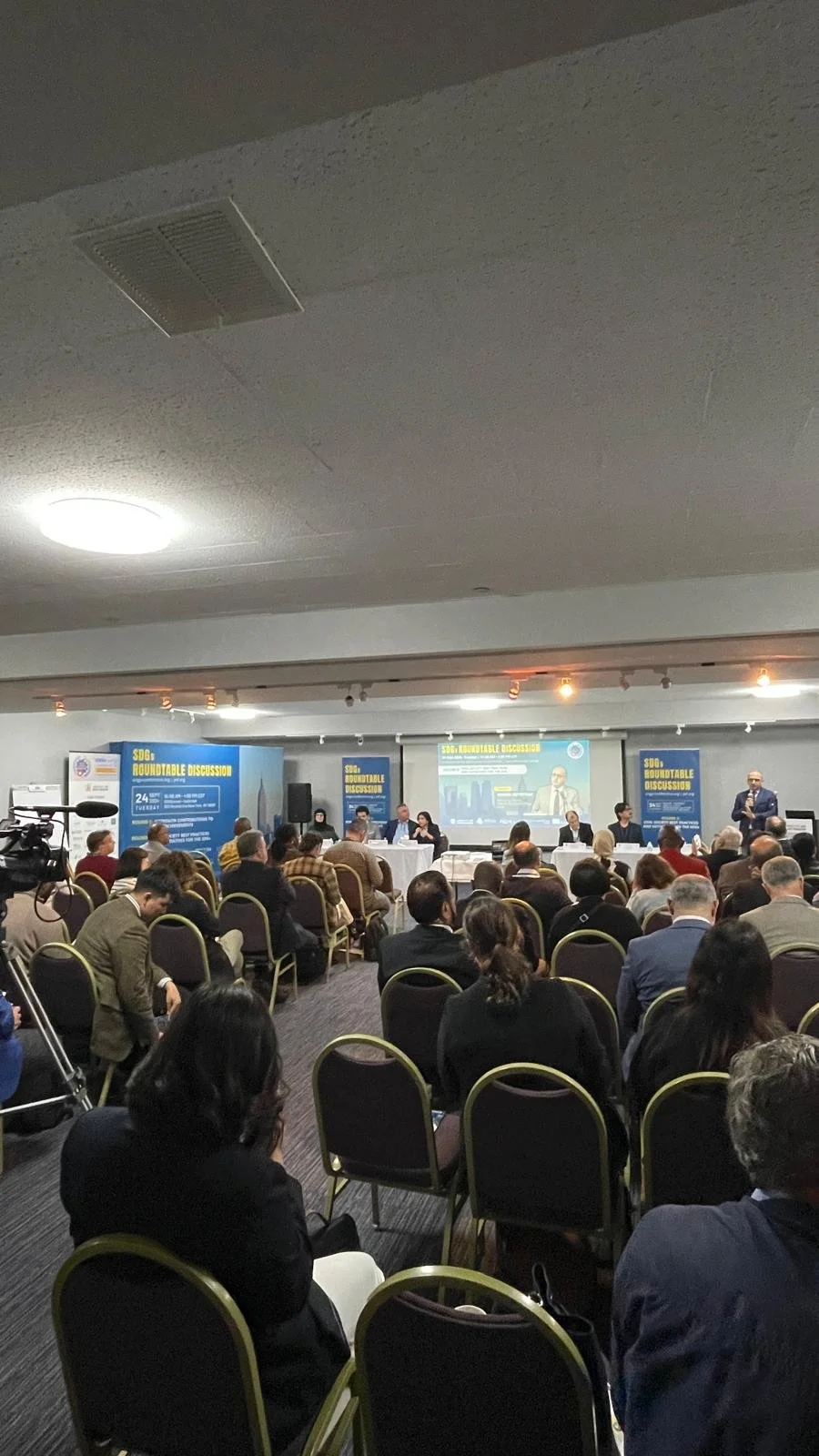
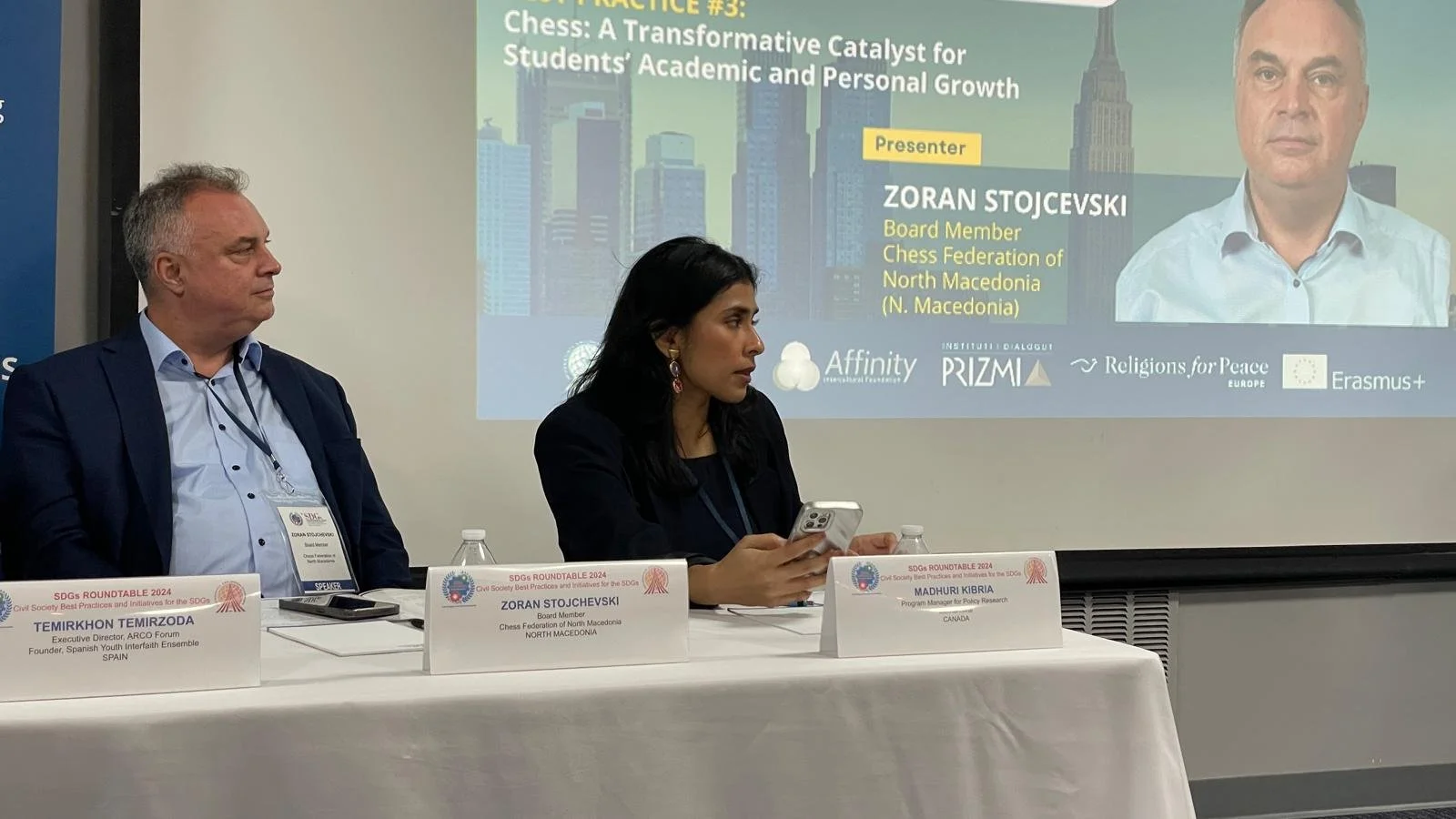
Three days later, at JWF's session on civil society best practices for the SDGs, our Program Manager for Policy Research presented BacharLorai's menstrual health and hygiene work to 63 attendees. The numbers she opened with are the reason it is a program and not a campaign: 95 percent of women in Bangladesh struggle to afford sanitary products, 41 percent of schoolgirls miss school because of their period, 32 percent see their school performance affected, and 86 percent cannot properly change or dispose of menstrual products because there is no safe, private sanitation available to them.
Menstrual health is the only area of our work that runs through all three of our pillars, from workshops and product distribution to our policy brief on ending period poverty. The delivery came through Wreetu, a local organization in Bangladesh, and reached 90 girls in Kishoreganj, a rural district where period poverty usually goes unaddressed.
The point she made to the room is the one we would repeat all year. Building strong partnerships with local civil society organizations that hold contextual knowledge of their own communities is what makes impact sustainable, and it is a step towards decolonizing development work.


Art for advocacy, and the wall in front of it
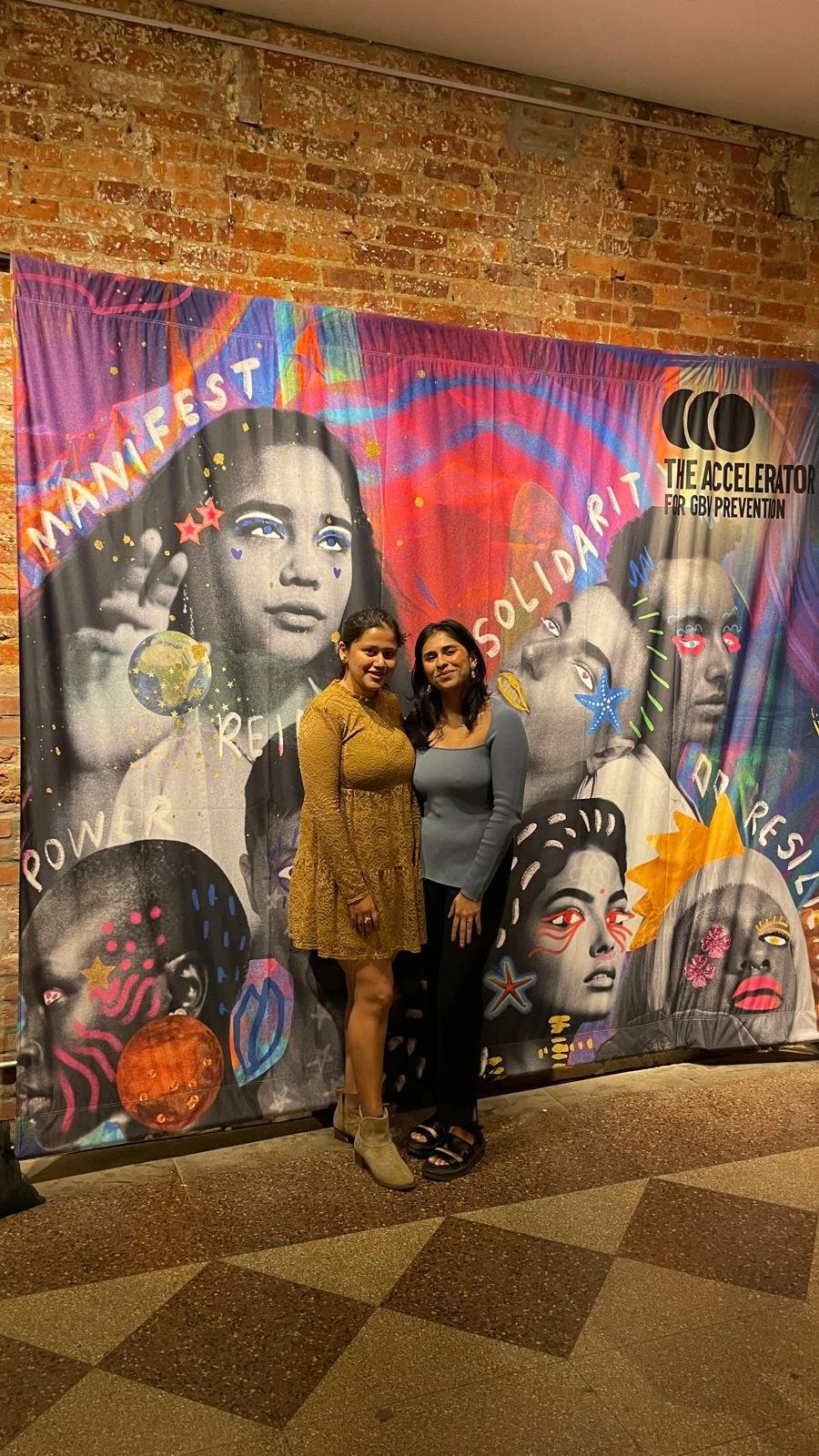
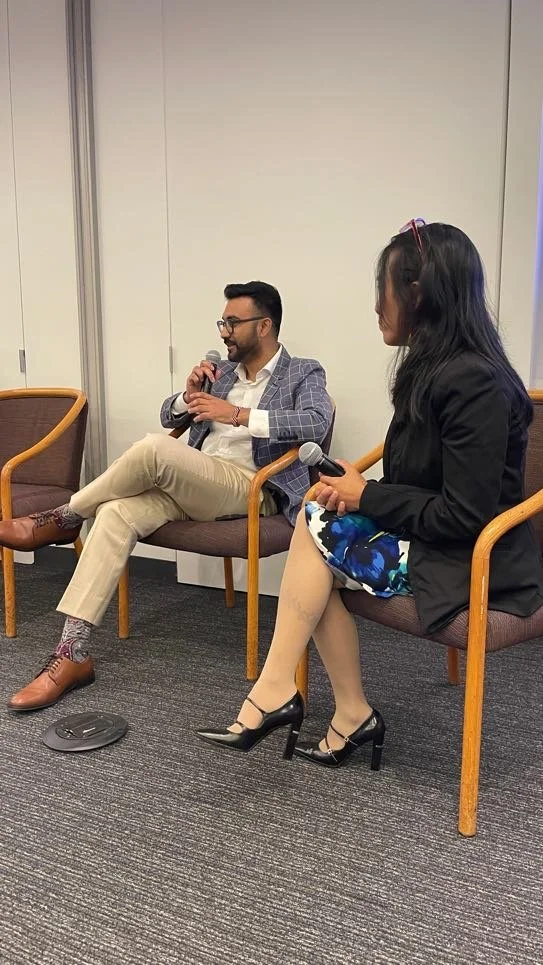
At the Population Council office on September 21, our Director of Communications joined a youth-led roundtable on adolescent and youth sexual and reproductive health and rights. Twenty people were in the room, from Mashal, the Yield Hub, FP2030 Pakistan, the International Women Artists and LÍKHÂ Gallery, and the FPNN community reporters.
Two arguments came out of that session that we have carried since. The first is about money. Youth have a great deal to give and are producing good ideas, but the world still asks for proof of concept, and without demonstrating the value those initiatives create, funding does not reach the small organizations, minority communities and gender and sexual minorities that need it most.
The second is about art. There is a difference between art for expression and art for advocacy, and the sector rarely builds platforms for the second. We want art for change, but we also want the artists to survive. It is a strange gap: one of the hardest problems of the pandemic was how to communicate reliable information, and yet major conferences on sexual and reproductive health still schedule no sessions about how communication actually works.




Conflict starts before the fighting does
The largest audience of the week came last. On September 28, at the 10th International Youth Conference, 245 people joined a panel on youth addressing the root causes of conflict, with speakers from Youth and Students for Peace, Sport for Change, Danaker in Kyrgyzstan and Columbia's Center for Sustainable Development.
The panel's argument was that conflict resolution is usually reactive when it needs to be proactive, that peace has been displaced in education and value systems by the idea that conflicts are won rather than resolved, and that young migrants should be treated as experts on migration policy rather than as its subjects.
Our contribution was a story rather than a framework. During the student protests in Bangladesh that year, the civil society leader Shah Rafayet used social media to raise global awareness while organizing on the ground to restore order and get help to vulnerable people. That is what civil society capacity looks like in practice, and it is why youth engagement in policymaking is not a courtesy. The Pact for the Future is explicit that peaceful, inclusive and just societies depend on it.


Research that travels
The fourth session was online and global. At the International Global Health Panel convened by Global Peace, 17 speakers from Ghana, Italy, Peru, Lebanon, Tanzania, Afghanistan, Nepal, India, Pakistan and beyond spoke on health and climate to 79 attendees. We presented early findings from our community clinic policy brief, the research that would become Scaling with Cause, our evaluation of Bangladesh's community clinic program against international healthcare standards.
Presenting early findings rather than a finished product turned out to be the right decision. The questions from that audience shaped the brief before it was published, which is a better use of a panel than announcing conclusions.
The meetings that were not panels
The panels were the visible part. The rest of the week was a series of meetings that only show up later in the record.
We visited the Permanent Mission of Bangladesh to the UN, which produced two concrete results: support for the community clinic brief we were then writing, and an endorsement to organize a panel at the Commission on the Status of Women. That panel, on the unseen leadership of women in refugee populations, ran in March 2025. At the Summit of the Future we submitted feedback and recommendations on the Pact for the Future rather than only listening to it being launched.
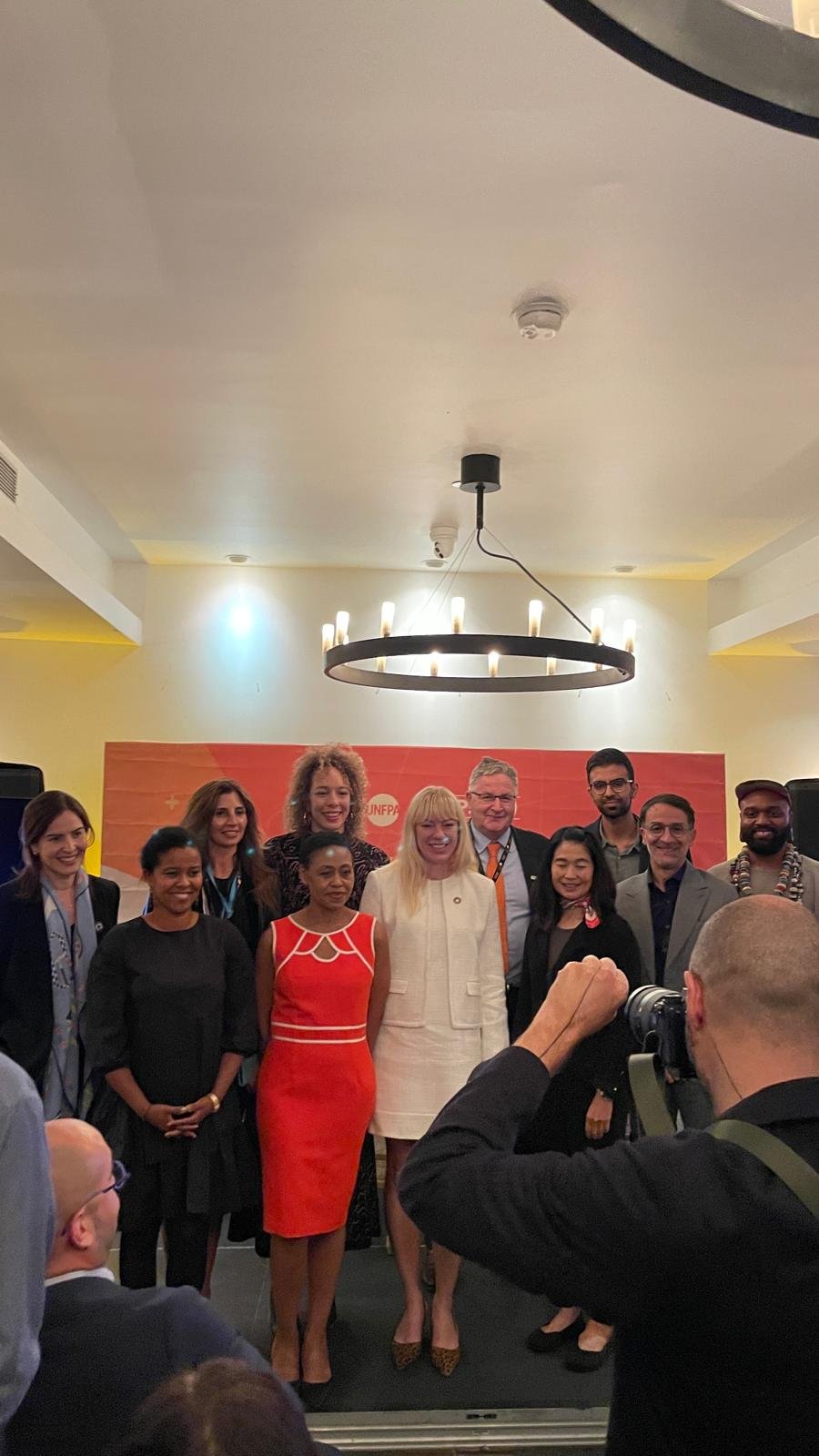
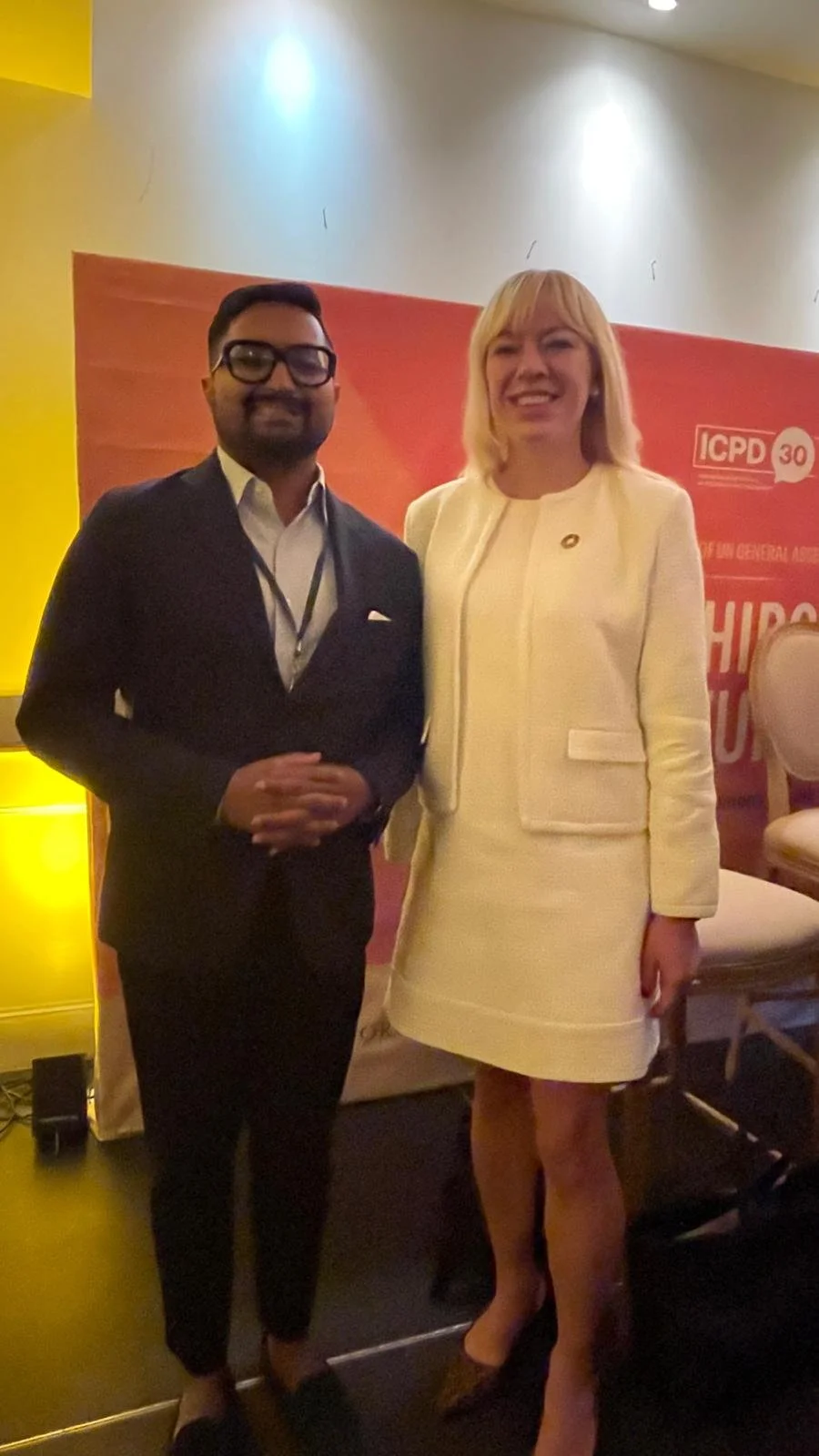
The rest was relationship work that has since paid out. A booth at the AFS Youth Assembly opportunities fair brought new collaborations and speakers for our Global Impact Fellowship. At the Journalists and Writers Foundation reception we supported a partner we would later co-host panels with. We sat in on Oxfam's panel on energy transmission and the communities living beside mine sites, on UNFPA's work with private sector partners on reproductive health in global supply chains, on Daughters for Earth on women leading environmental work, and on the Observer Research Foundation's session with UN India and the Reliance Foundation, which fed directly into our CSW69 planning and the launch of our policy brief.
Over that quarter, which ran from July to September 2024, the organization put in more than 2,300 volunteer hours and reached 1,643 people: 501 at events and panels, 732 readers of our policy publications, and 410 recipients of humanitarian aid. The week in New York sits inside those numbers rather than beside them.
The margins, one year on
UNGA79 was our third consecutive year at UN forums and the first where our own people carried the sessions. Across three years of UN advocacy we have now convened 11 panels and engaged 677 attendees on healthcare accessibility, youth leadership, gender equality and sustainable development. The International Youth Conference has stayed in our calendar since: we supported its twelfth edition during UNGA80 a year later.
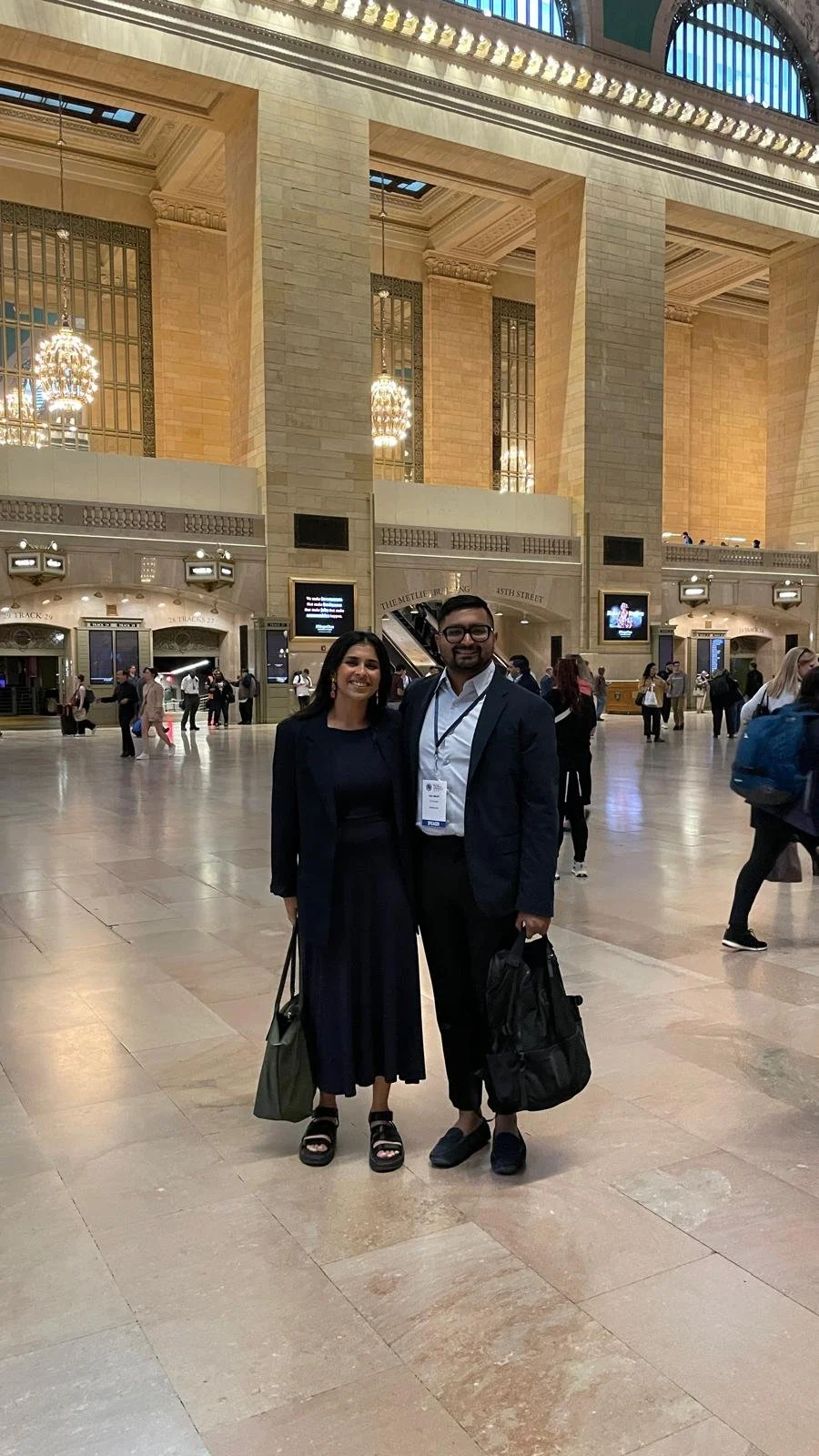
The Assembly Hall is what people picture when they think of the General Assembly. The work we can actually influence happens in a Population Council meeting room, a civil society conference across town, and a Zoom call with speakers on four continents. That is not a consolation prize. It is where a 44-person organization from Toronto and Dhaka can put a Bangladeshi statistic in front of people who set funding priorities, and be asked a follow-up question.
If you were in one of those rooms with us, or you would like to speak at our events, mentor or join our fellowship, or work with us on research, we would like to hear from you.