BLG at the 80th U.N. General Assembly
Field Notes for the UN Department of Global Communications
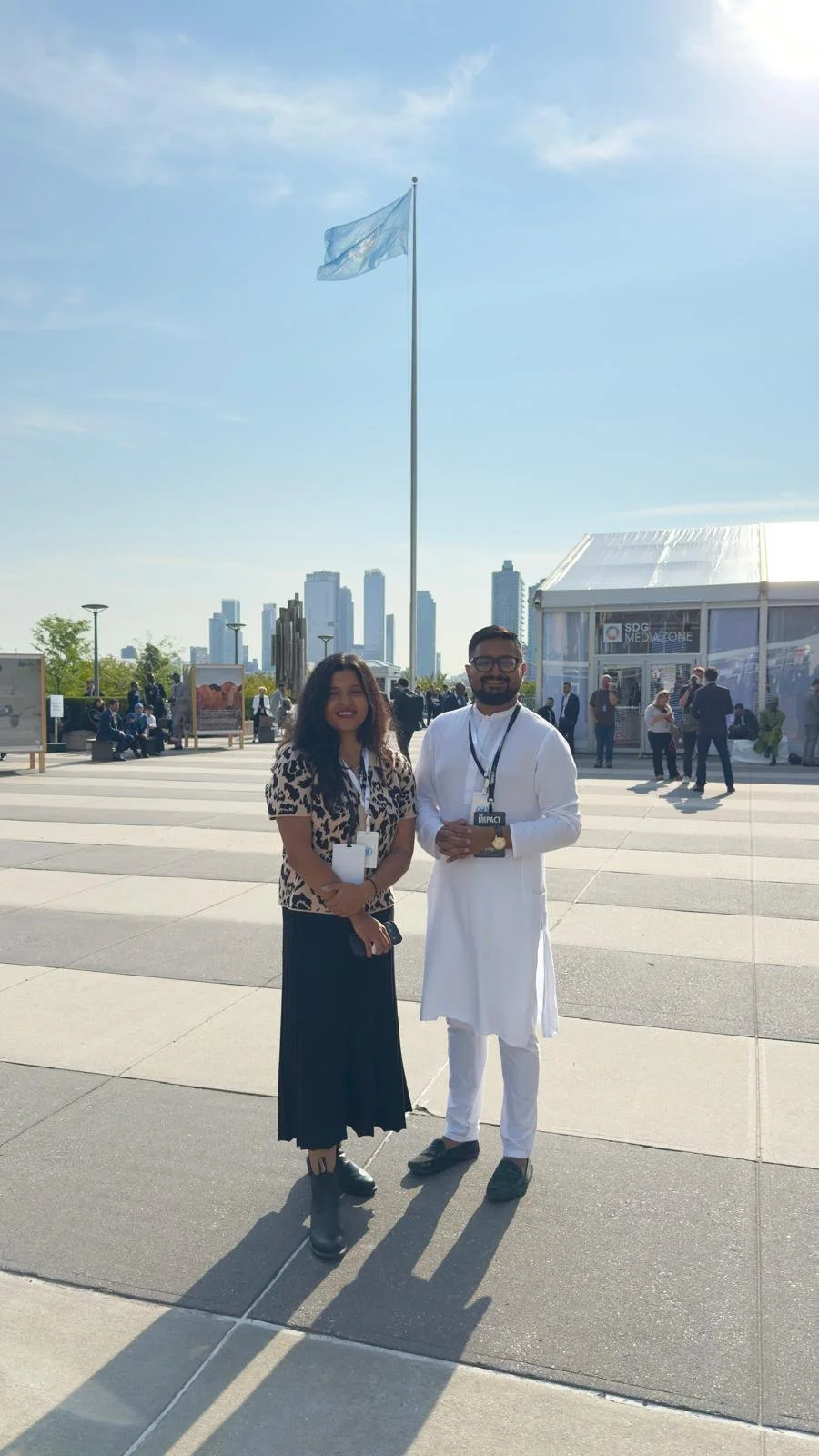
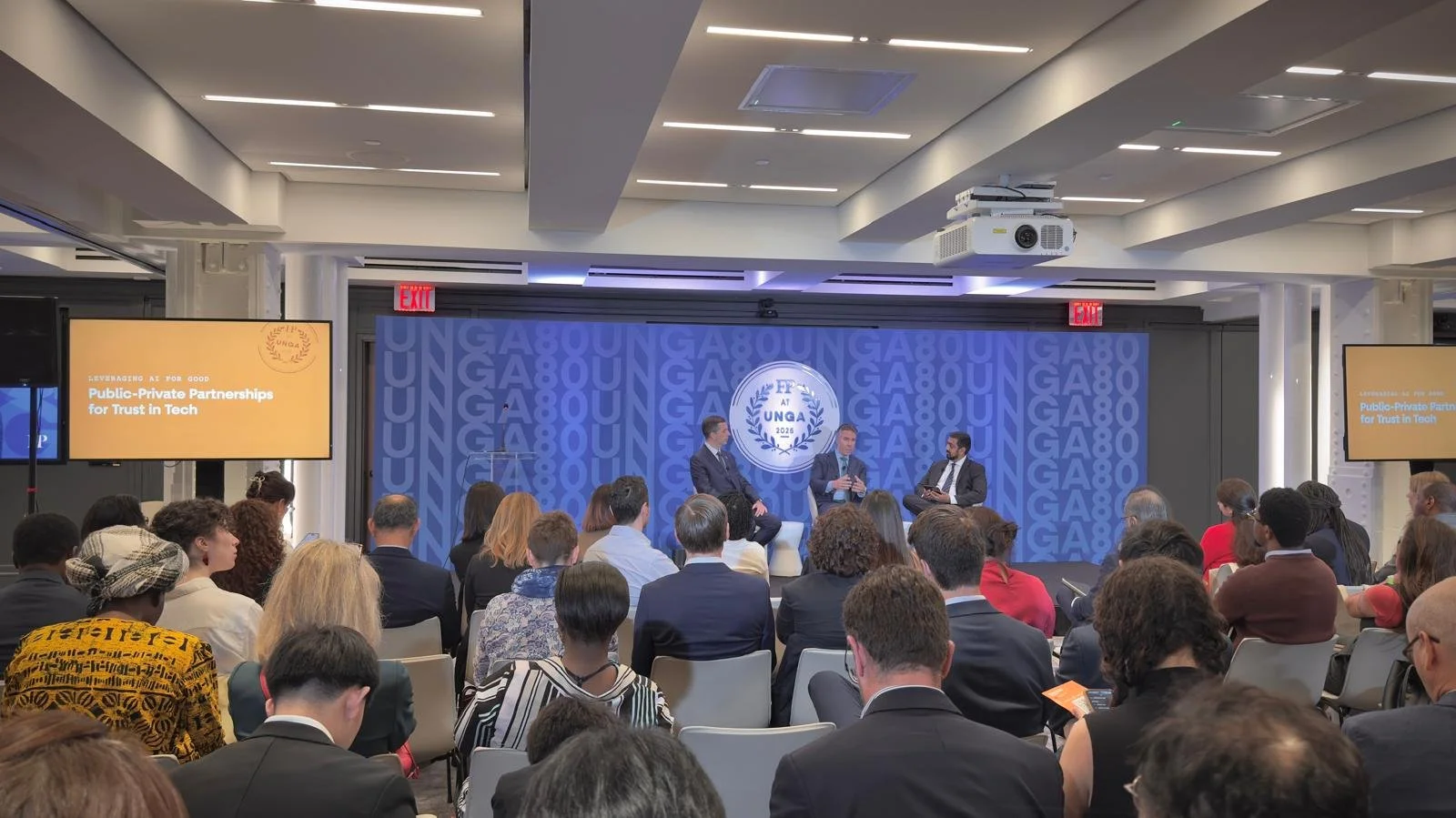
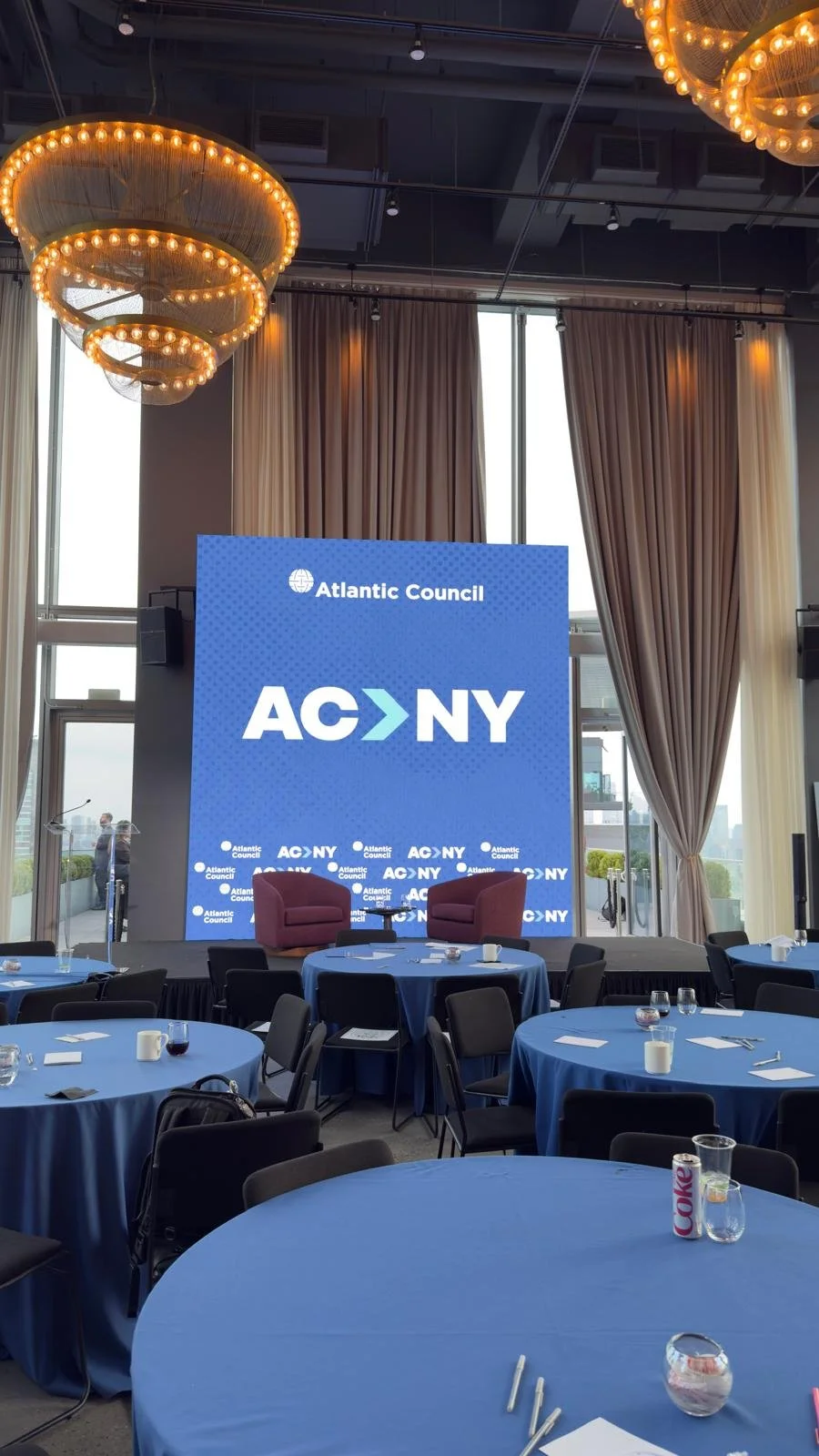
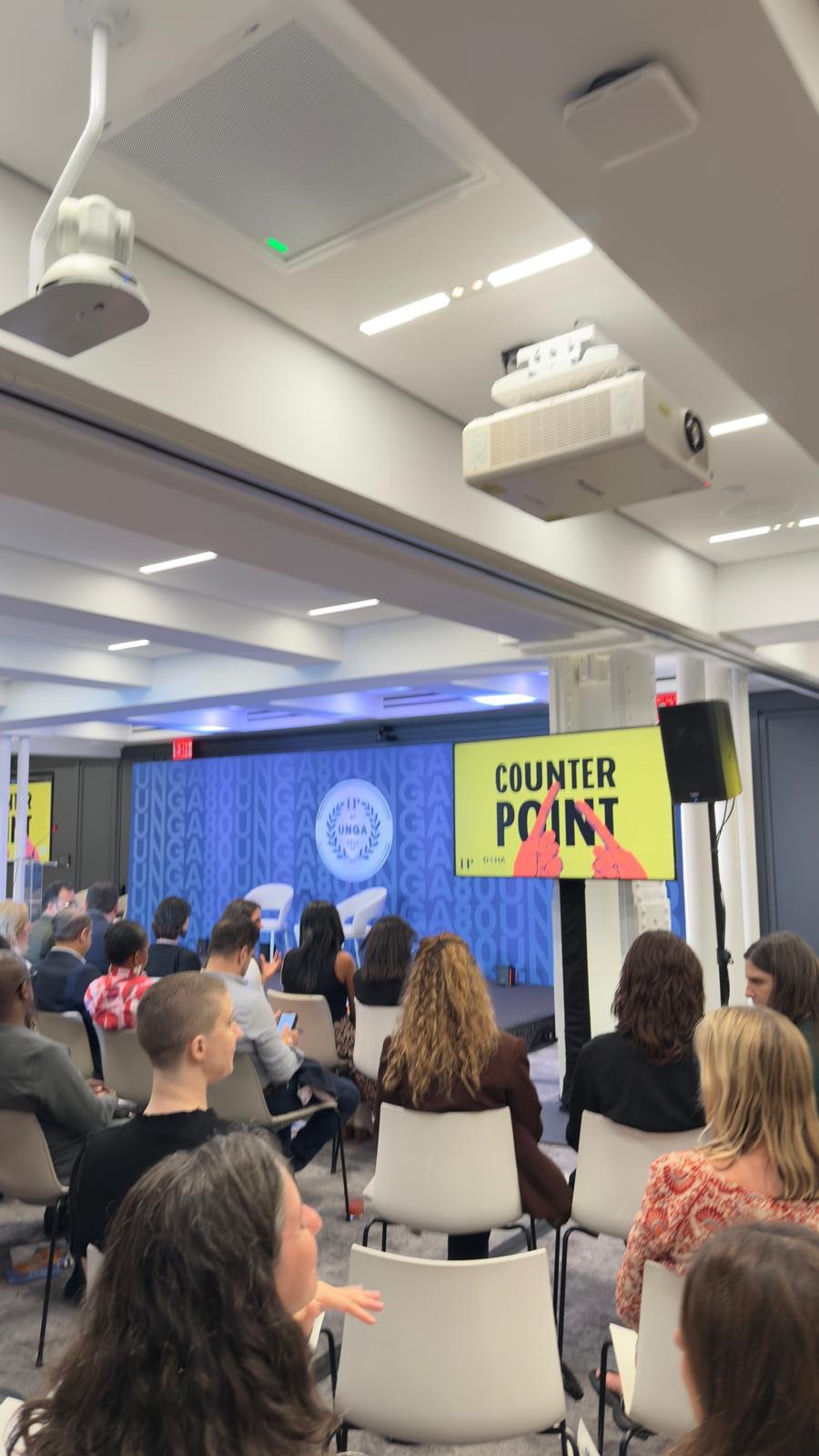
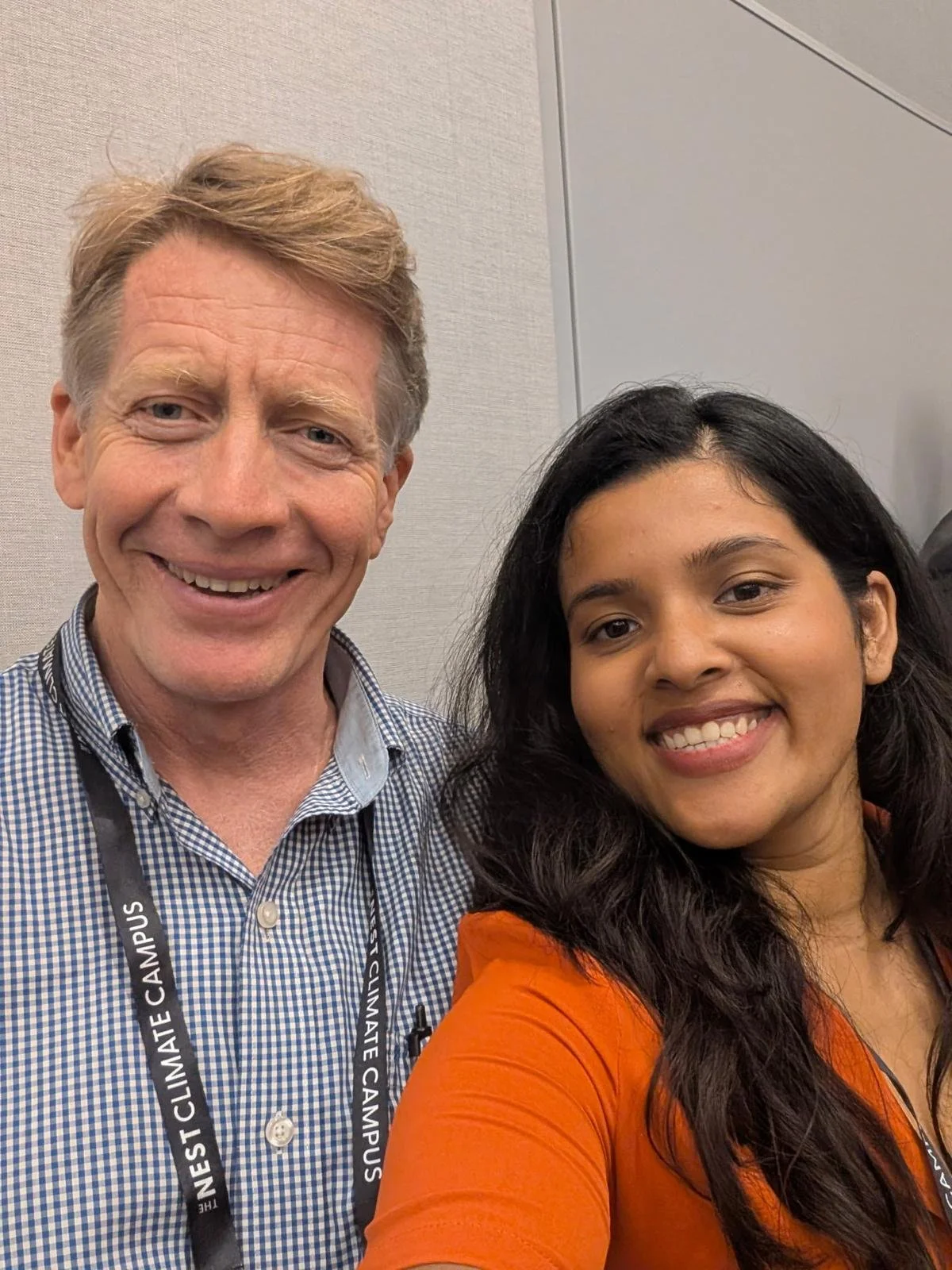
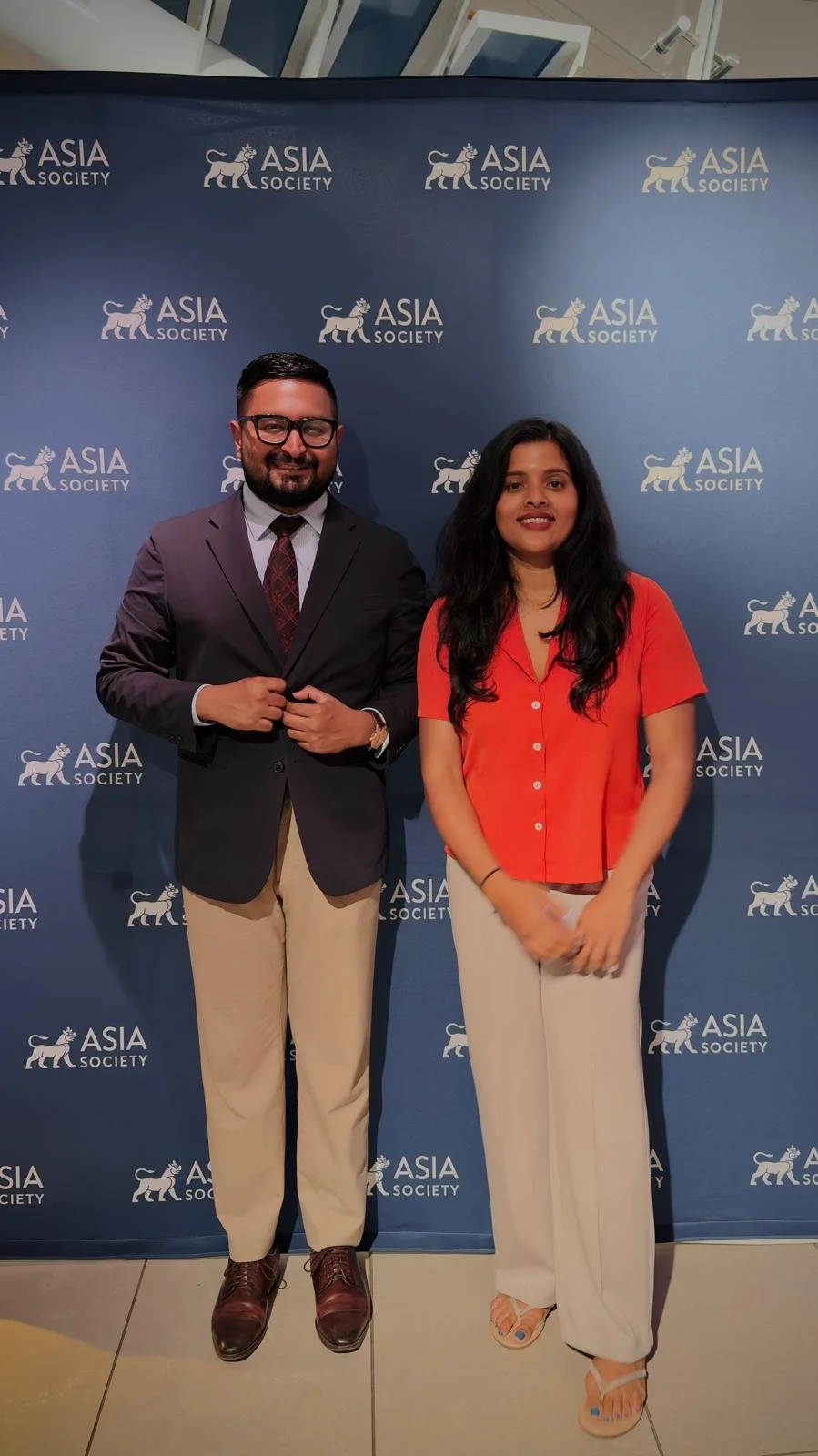
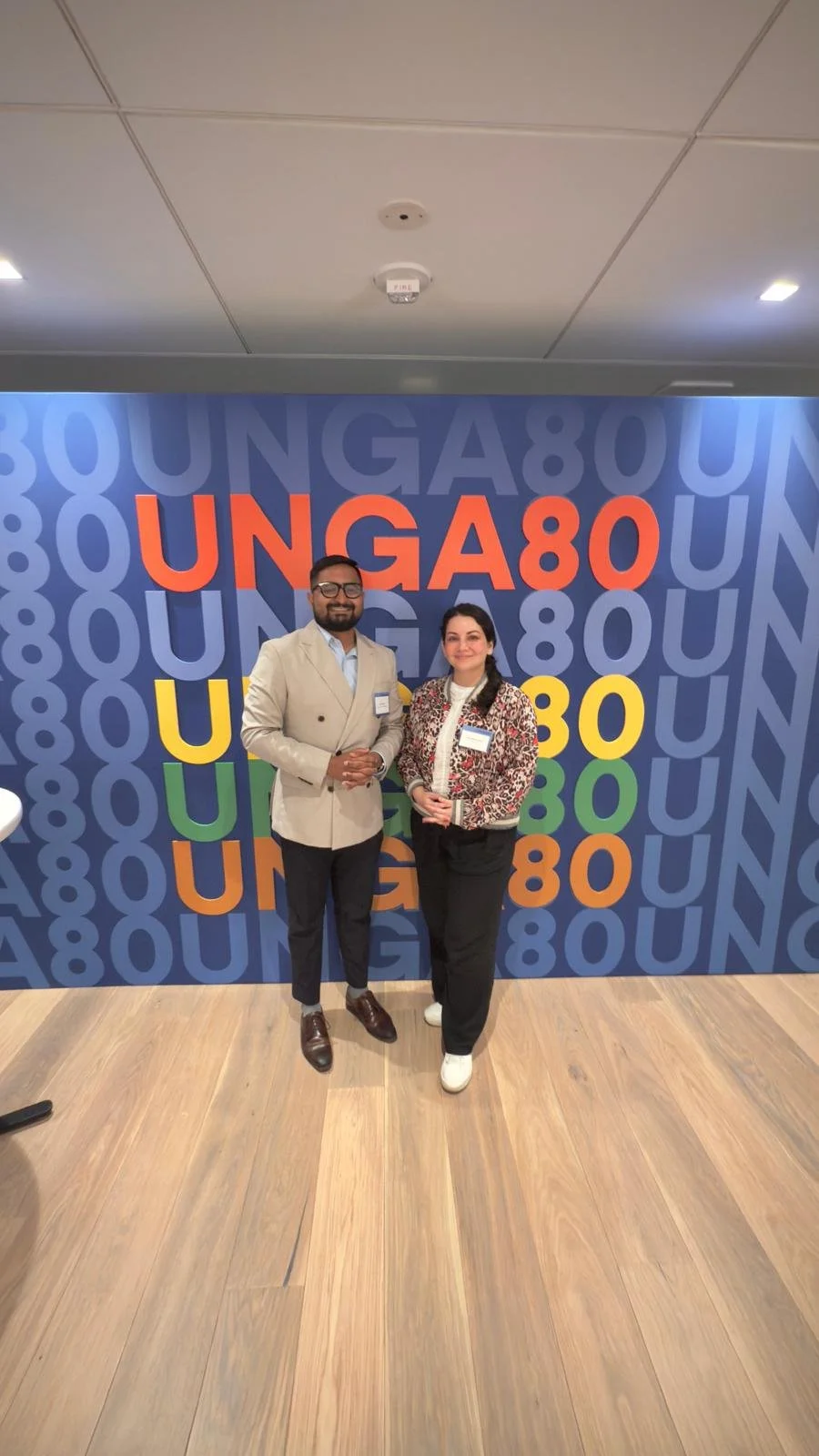
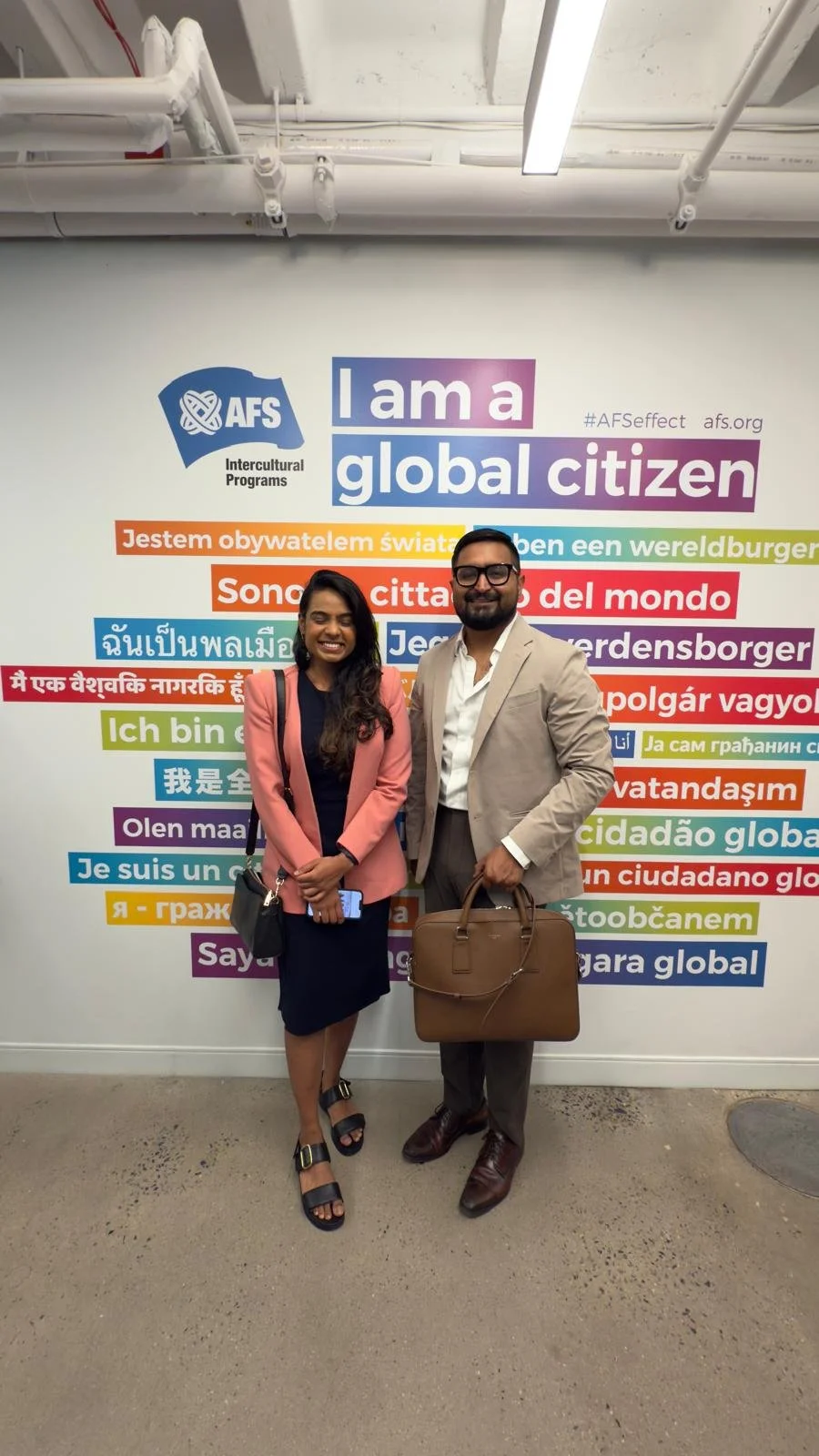
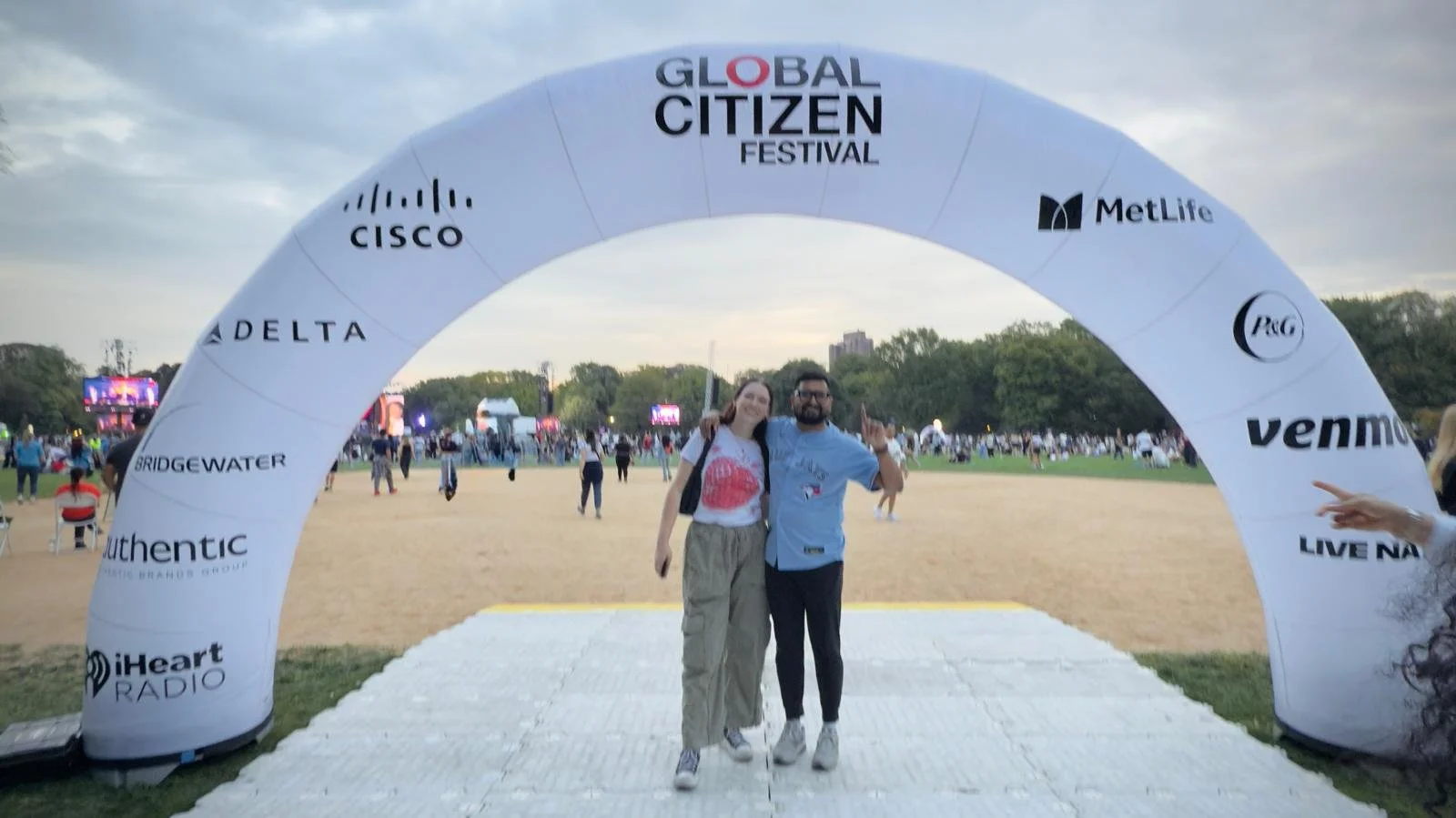
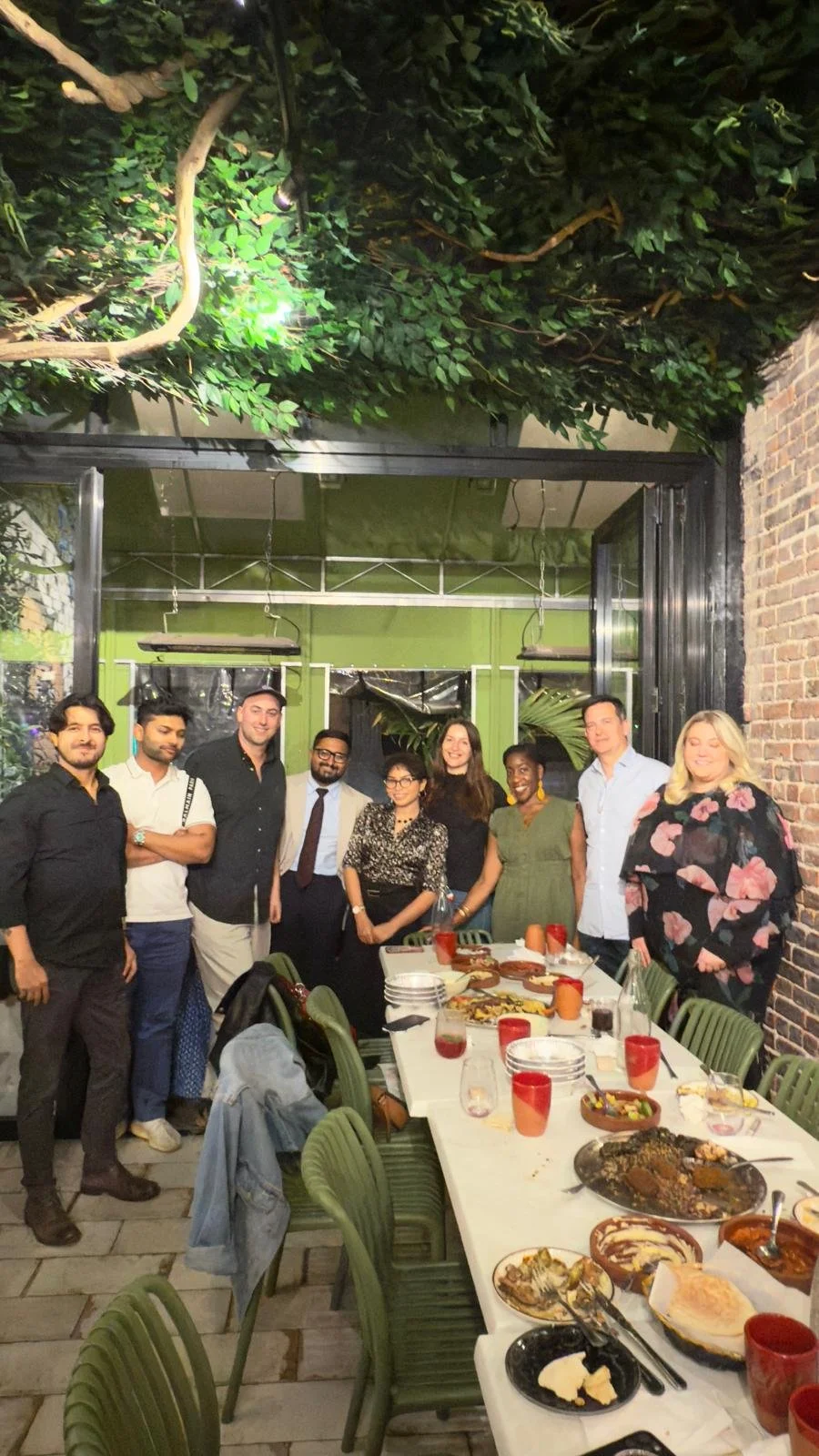
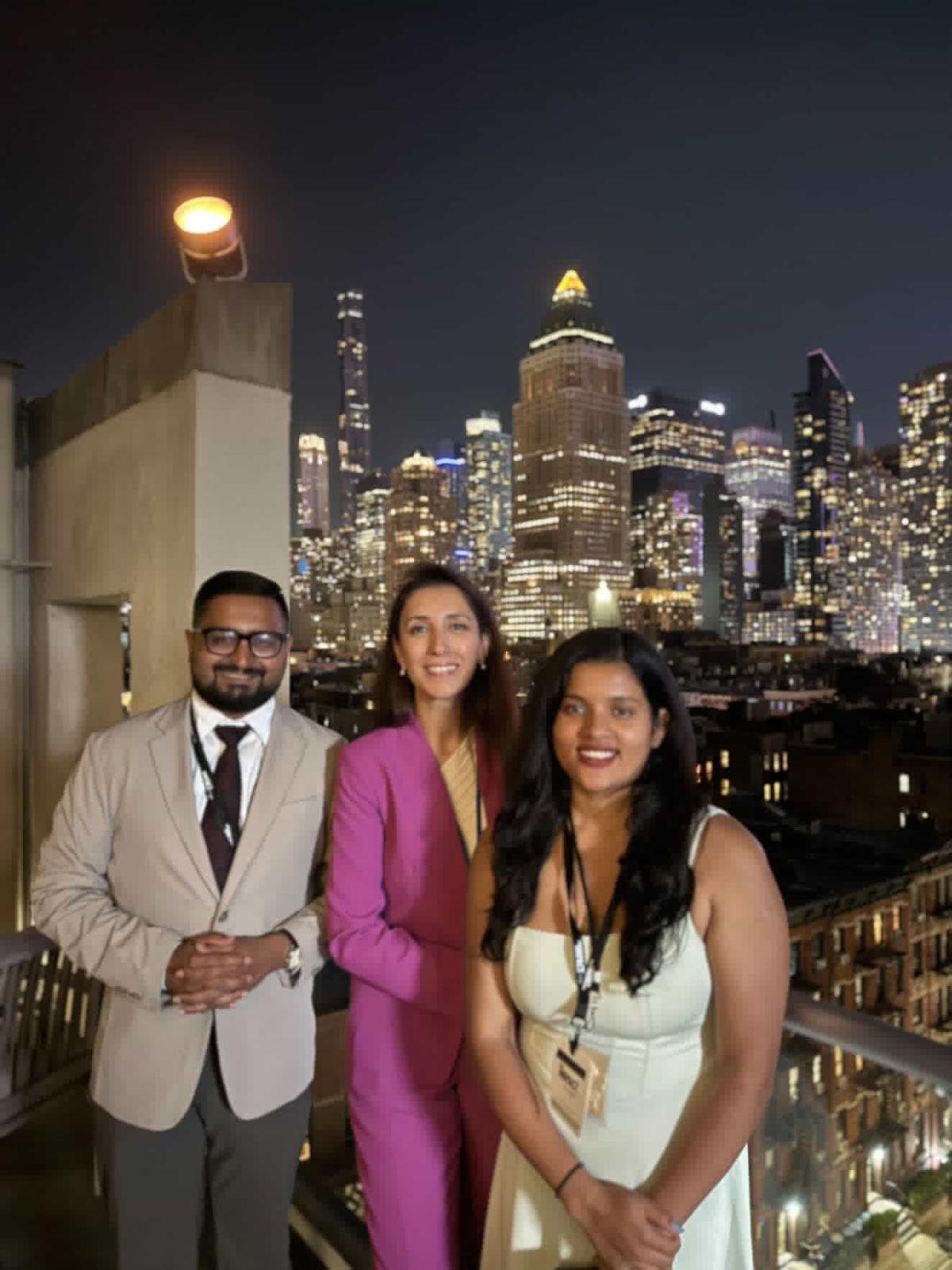
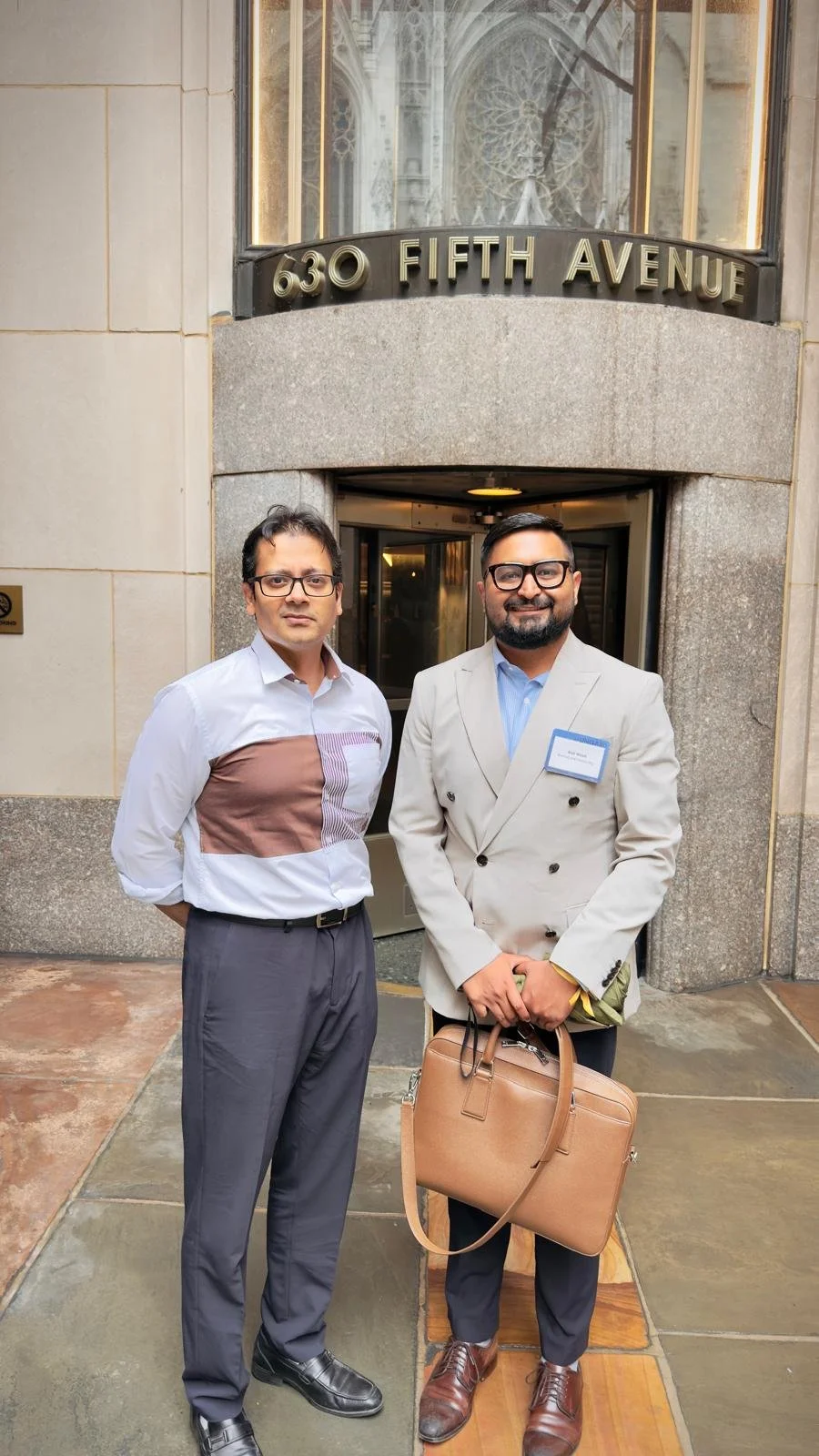
2025 was the year BacharLorai Global was recognized as an organization associated with the United Nations Department of Global Communications. Association carries an expectation: that civil society partners do not simply attend the UN's moments, but carry them back to the communities they serve and report on what came of it. These are our notes on that obligation, written as a record for the Department and for anyone weighing whether a week in New York is worth the airfare.
What we moved forward
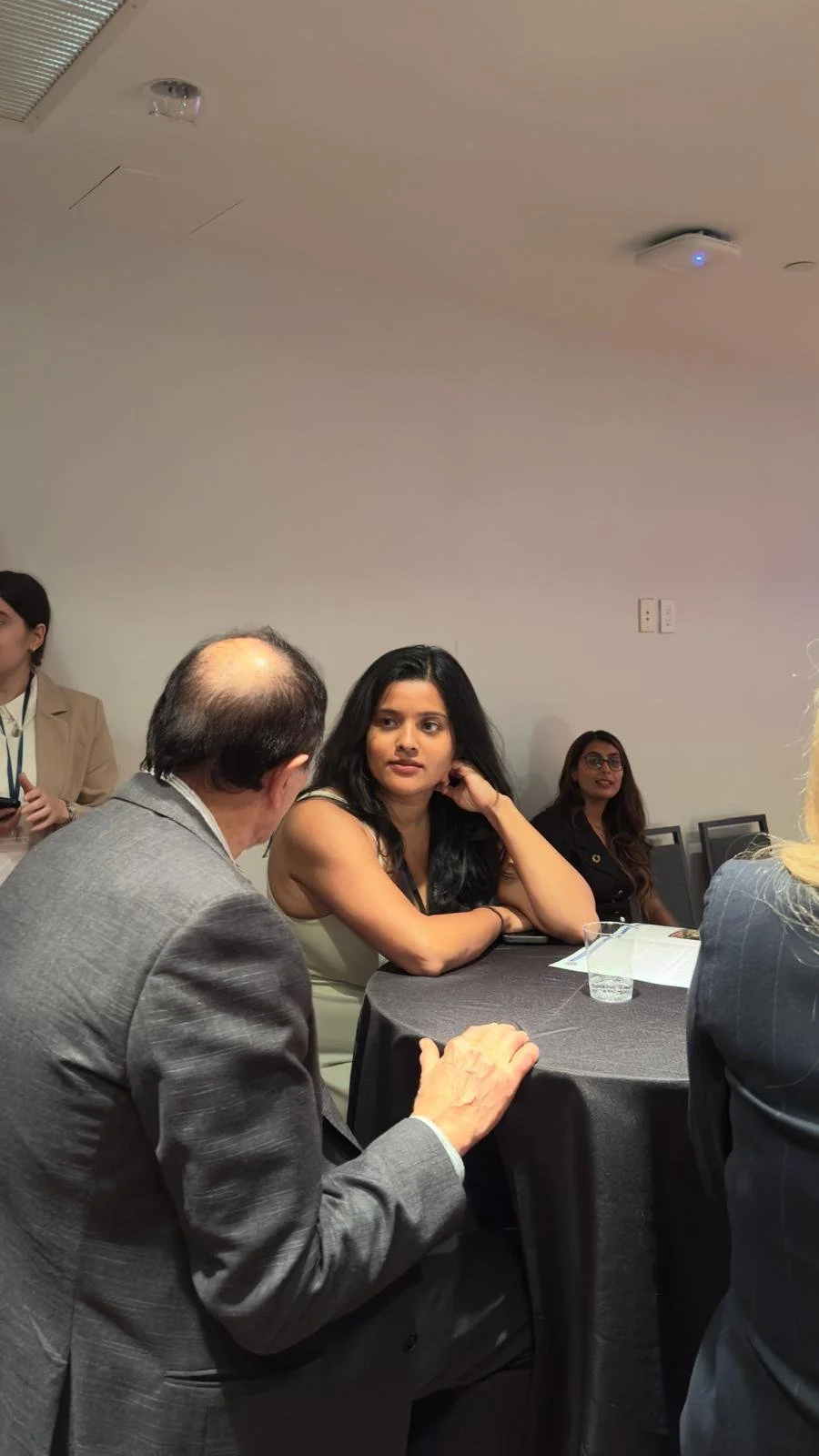
We spent the high-level week of the 80th UN General Assembly in New York, across 23 sessions between September 22 and 25, 2025. Five things came out of it.
Our research agenda took its shape. Foreign Policy's forums on women's leadership, technology and mission-driven development set the priorities we now work to: AI access as an infrastructure question, women's economic security, and diaspora-led development.
Our Director of Policy Research entered the UN system. Aditi Zahir spent the week inside the rooms where the development sector works, and came out with relationships she has used all year.
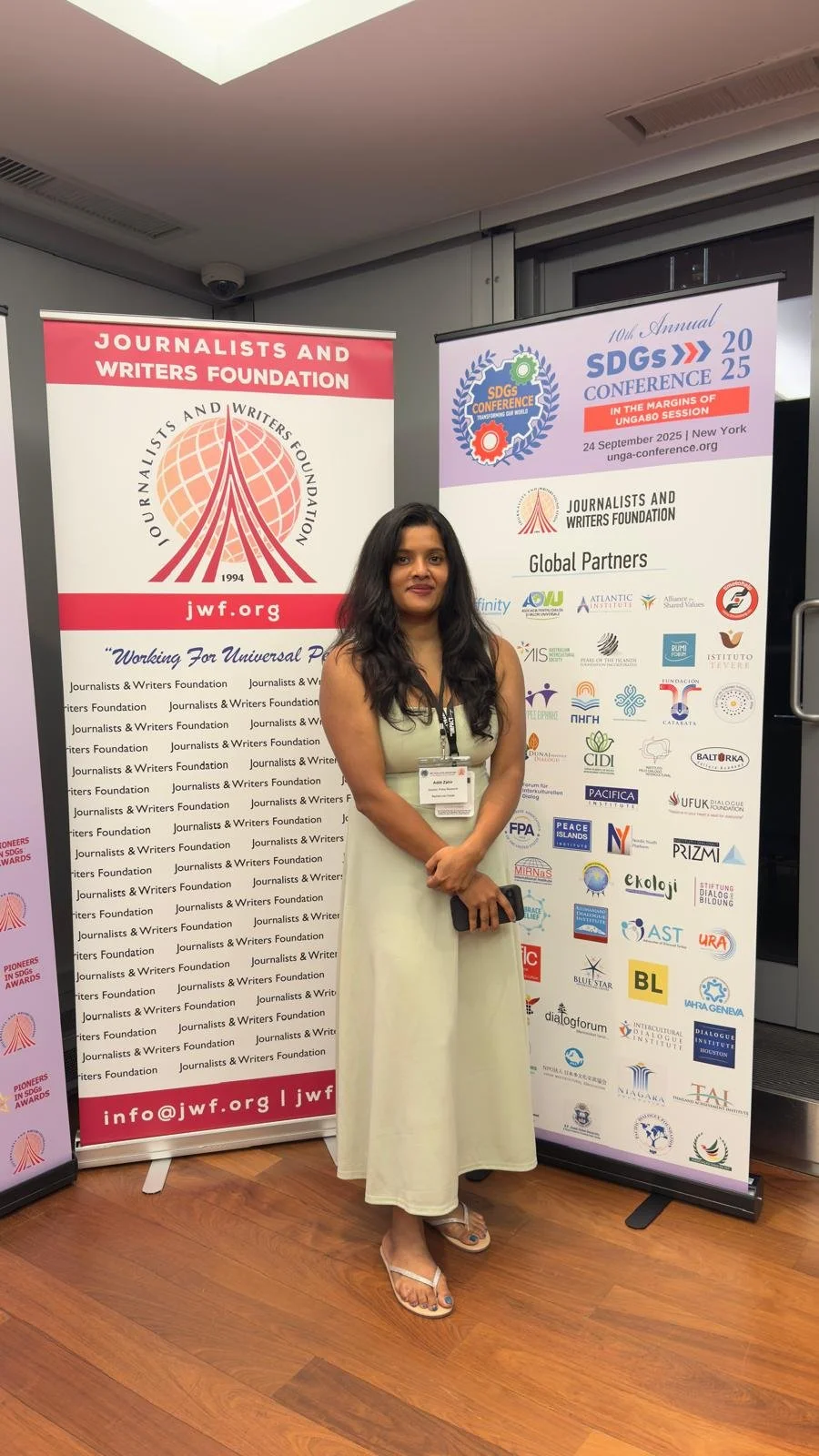
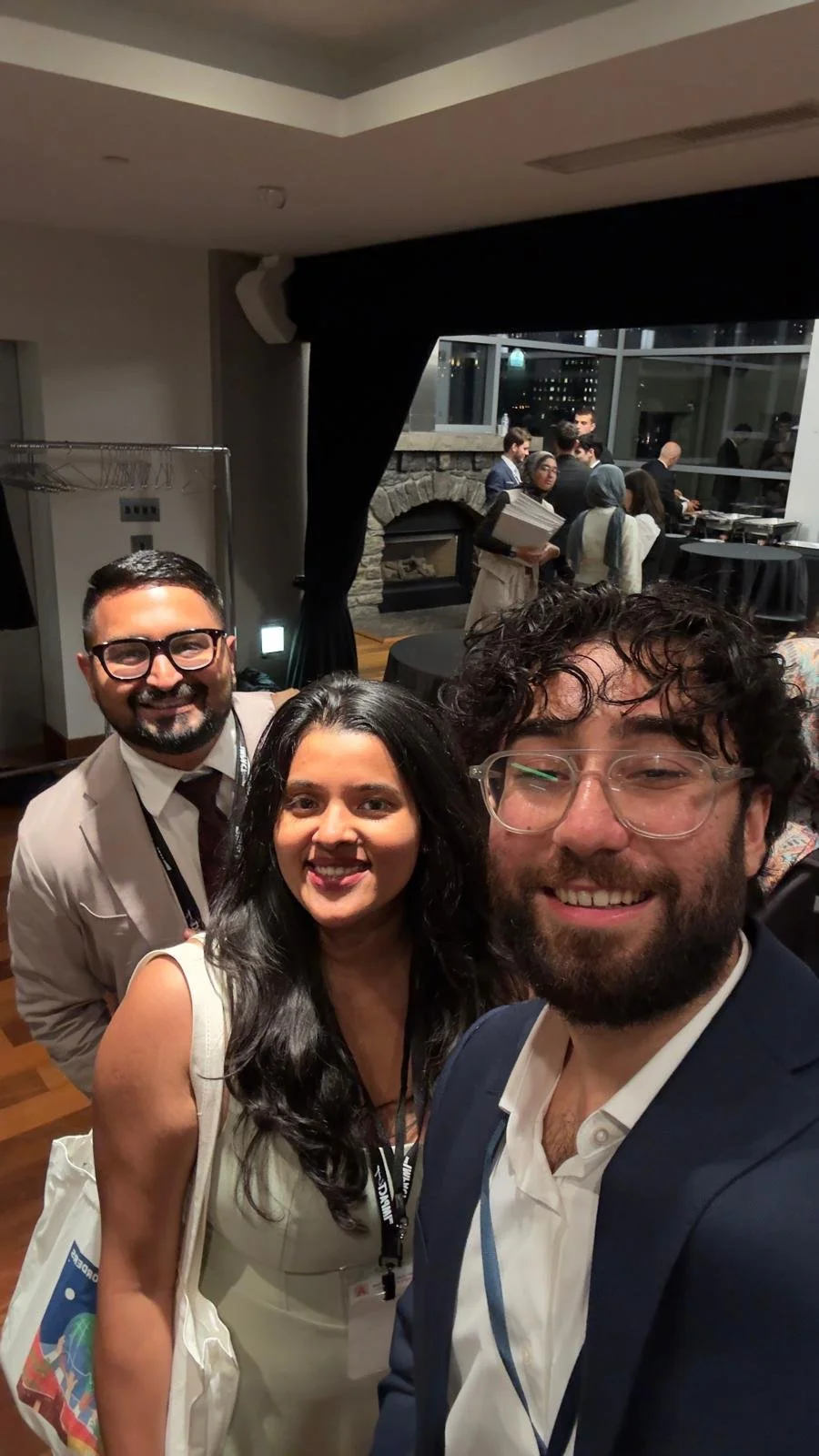
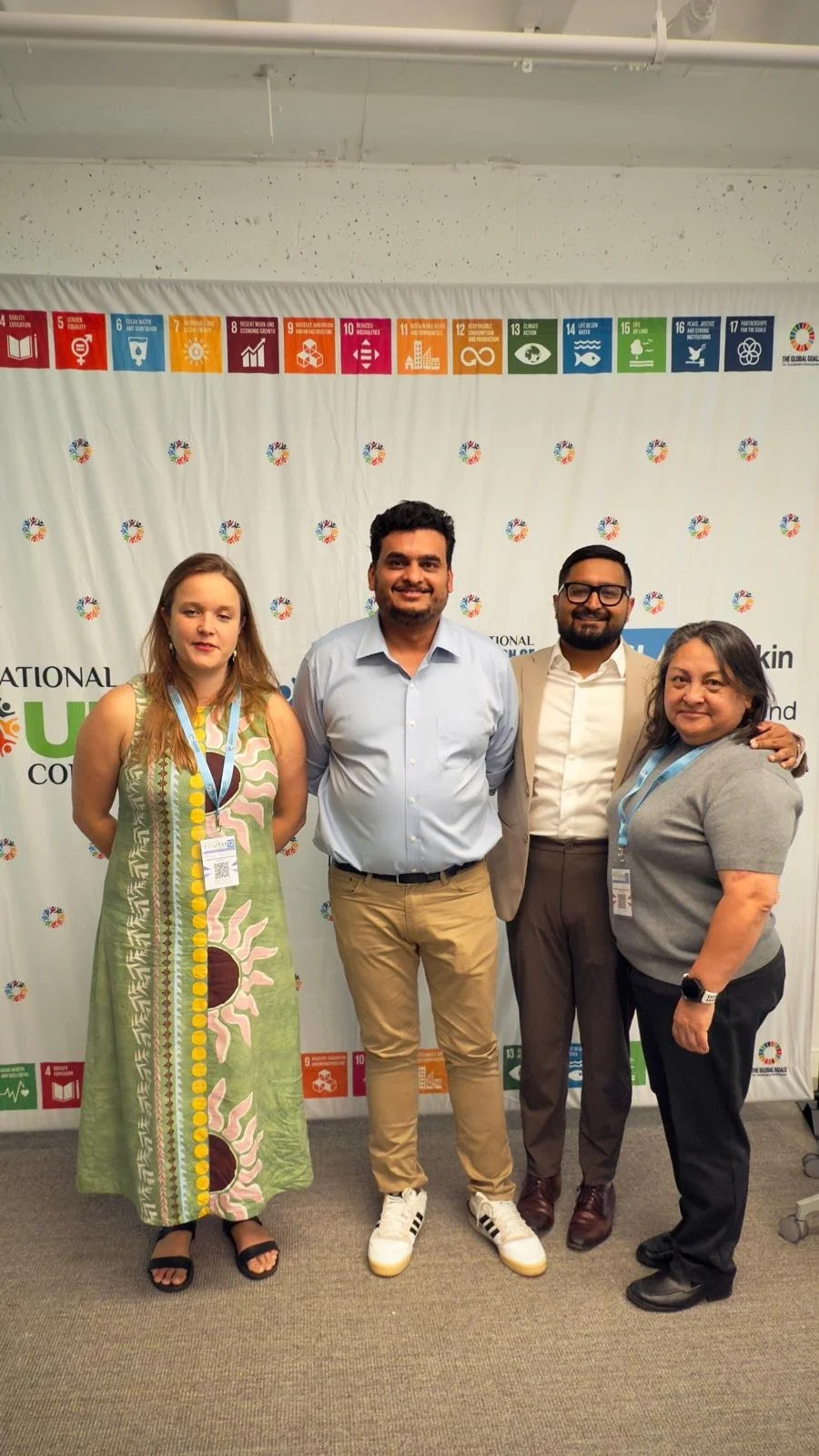
We deepened our partnership with the Journalists and Writers Foundation. Three years of collaboration, five panels and two socials became a working relationship across their reception, their skyline tour and their SDGs Conference.
We built our Foreign Policy relationships. The experts we met at FP and FP Analytics that week are the contacts we returned to through the year, and the reason we are back at their forums this September.
We published while the week was still running. Three columns in Policy Magazine: on the Rohingya crisis and what a deadlocked UN could still do, on Canada's foreign policy reset under Mark Carney, and on South Asian economic integration, written from the Asia Society conversation with Muhammad Yunus.
What follows is what we heard, organized by the arguments that kept repeating rather than by the order of our diary.
The rooms that matter are small
The United Nations turned eighty that September, and the birthday party made the point better than any speech in the General Assembly Hall. Deputy Secretary-General Amina J. Mohammed told a room of staff and delegates that the anniversary was not a summit. “We stand together at base camp,” she said, with the steepest part of the climb ahead. Eight decades had produced the Universal Declaration of Human Rights, vaccines carried to the last clinic on the last road, and peacekeepers so children could walk to school. None of it settled what the next decade would deliver.
The most consequential conversations of the week happened in rooms of forty people. That is not a complaint about access. It is a description of where the work gets done. The General Assembly Hall produces statements; the margins produce arrangements.
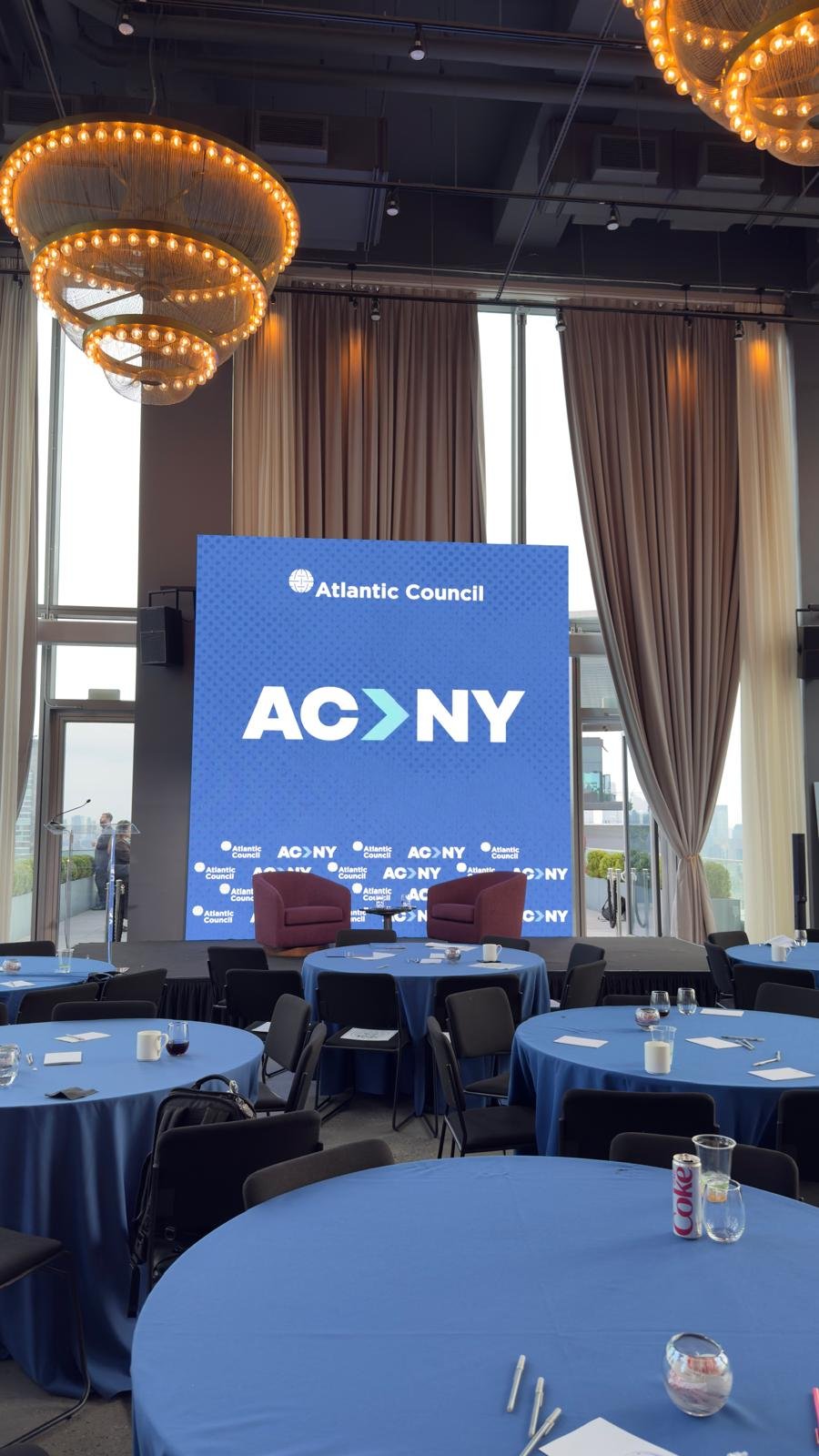
At the Atlantic Council, Spain's foreign minister, José Manuel Albares, made the case for multilateralism to an audience that could fit in a hotel ballroom. He warned against powerful states believing they hold unilateral solutions to shared problems, and argued that far more countries believe in cooperation than not, which makes it “more important than ever to stand for those values and to speak up.” The defence of the system came from a middle power, in a side room, on a Tuesday afternoon.
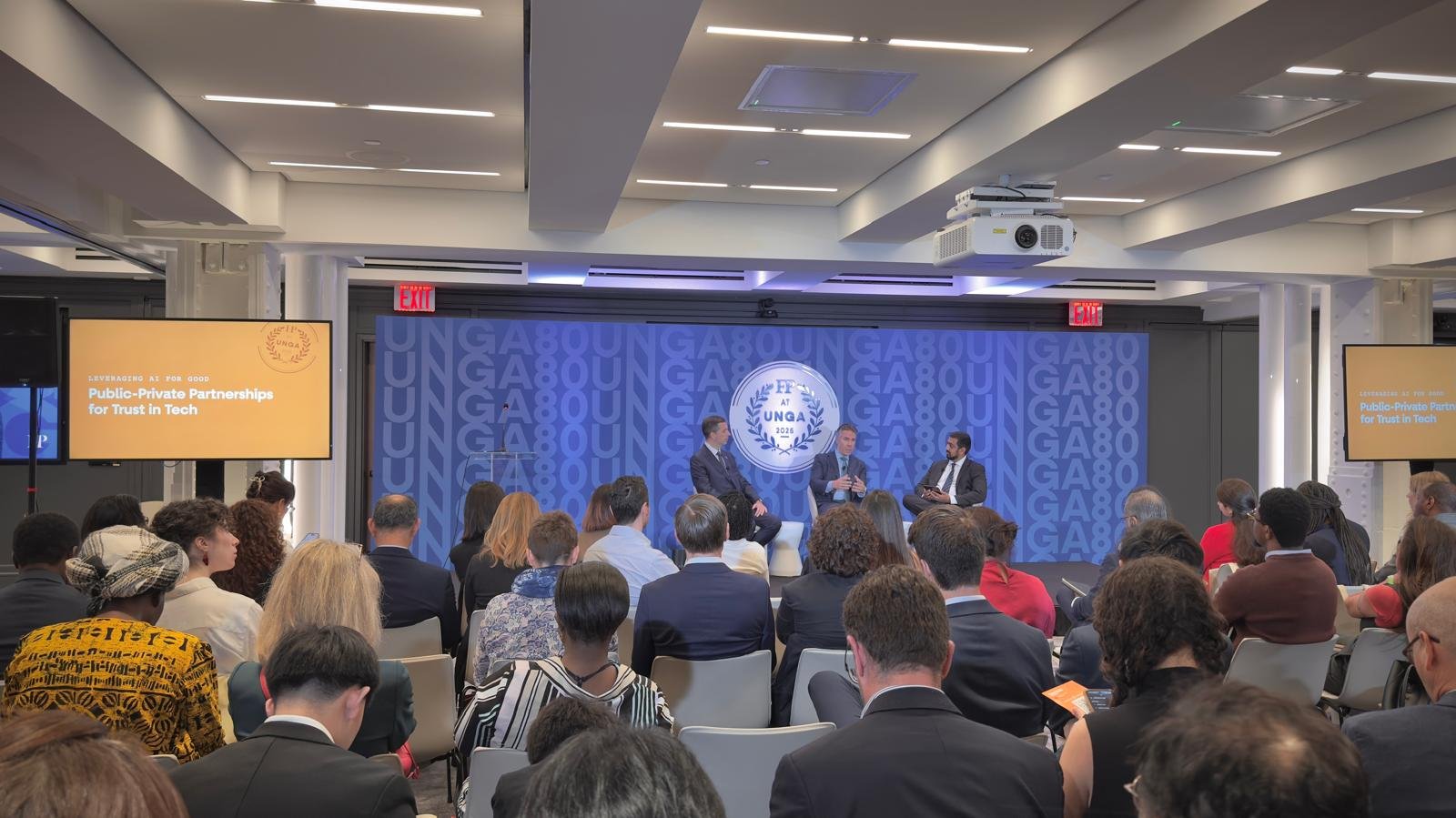
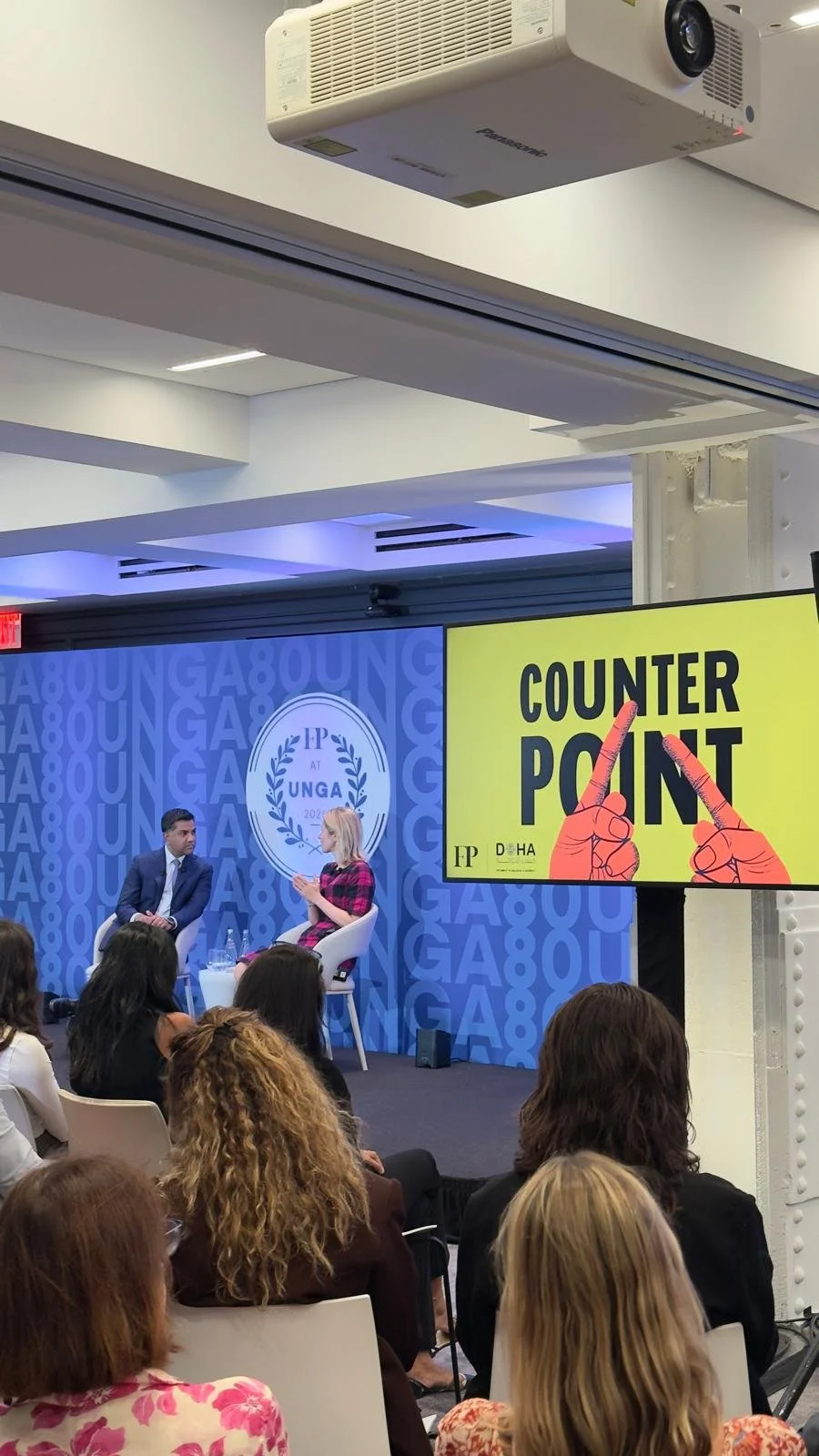
That pattern held all week. Foreign Policy ran its forums as sequences of fifteen-minute conversations rather than set-piece panels. JWF gathered 56 civil society organizations from 30 countries in a college moot court. For an organization our size, this is the useful finding: the UNGA that matters to us is not the one on television.
The money is moving away from the work
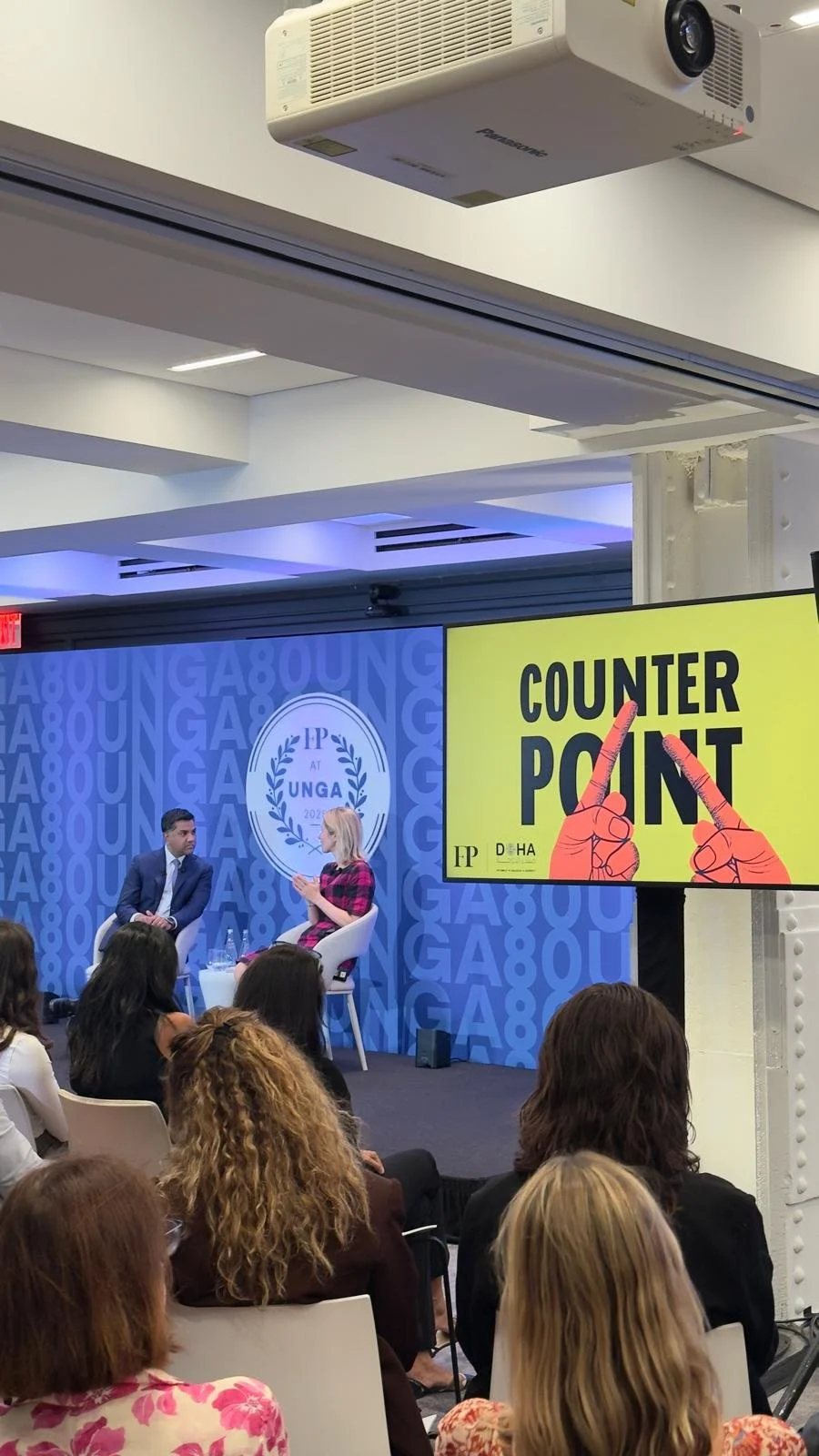
The second thread was financial, and it ran through every theme. At Foreign Policy's Her Power forum the framing was explicit: with five years left to reach the gender goal, funding for gender equality is falling rather than rising, and as resources are redirected, so is the political will to keep gender in policy at all. The programme answered by putting money at the centre, with sessions on collaborative giving for women's health, cost-effective family planning, contraceptive access and women's entrepreneurship, and funders seated alongside the organizations doing the delivery.
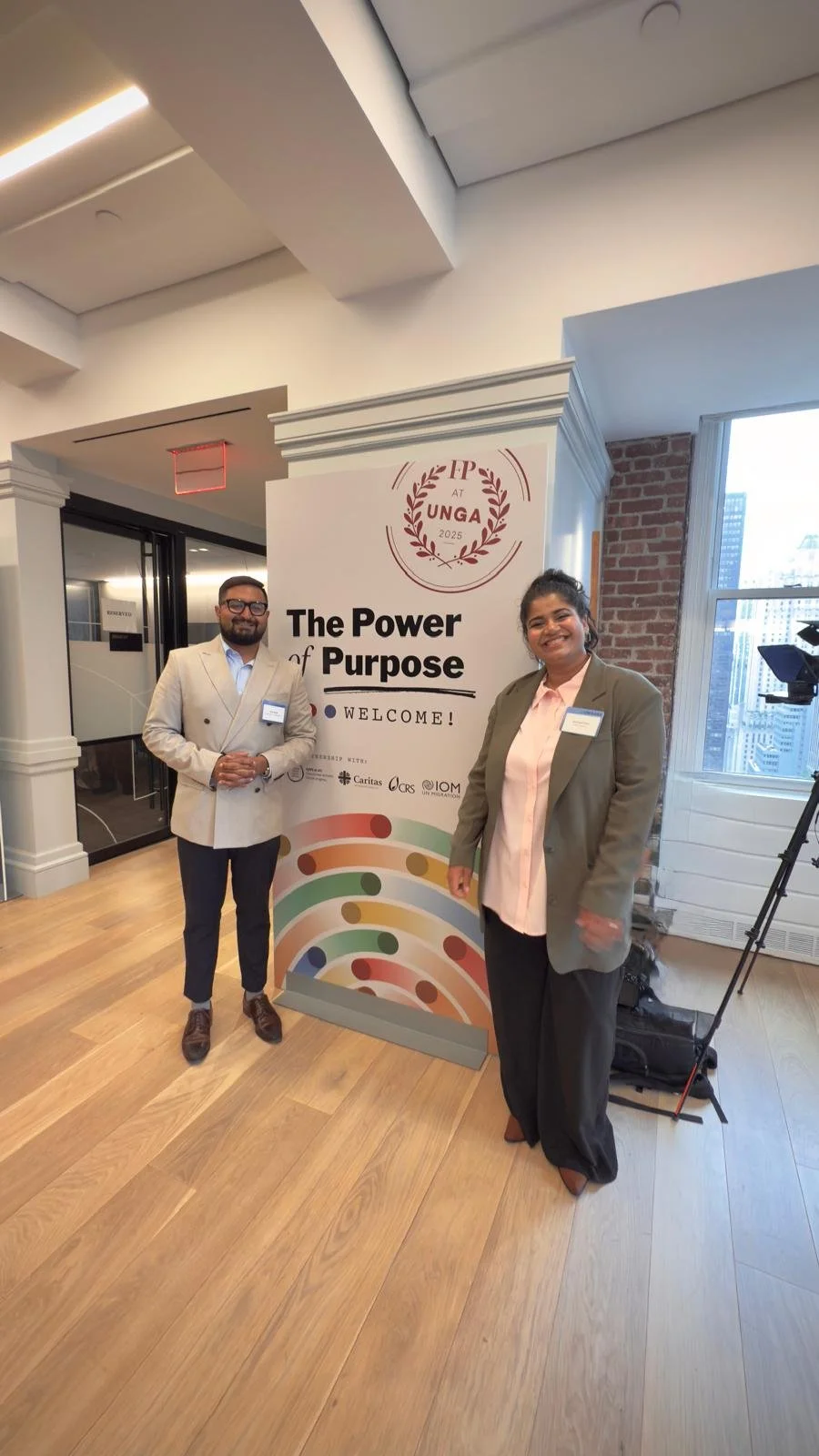
The same argument appeared in development. The Power of Purpose, on the final day, opened with sovereign debt at crisis levels in dozens of countries and multilateral institutions under strain, then asked whether mission-driven organizations, often faith-based or values-rooted, can deliver where conventional systems are retreating. Caritas Internationalis, American Jewish World Service, Muslim Charity and Samaritan's Purse were in that room as development actors, not as a side category.
This changed how we describe ourselves. BacharLorai Global is diaspora-led and values-rooted, working across 11 countries with programs in Bangladesh. A year earlier that was language we used internally. After UNGA80 it was a category that funders and UN agencies were actively discussing, so we now lead with it.
The Bangladesh thread
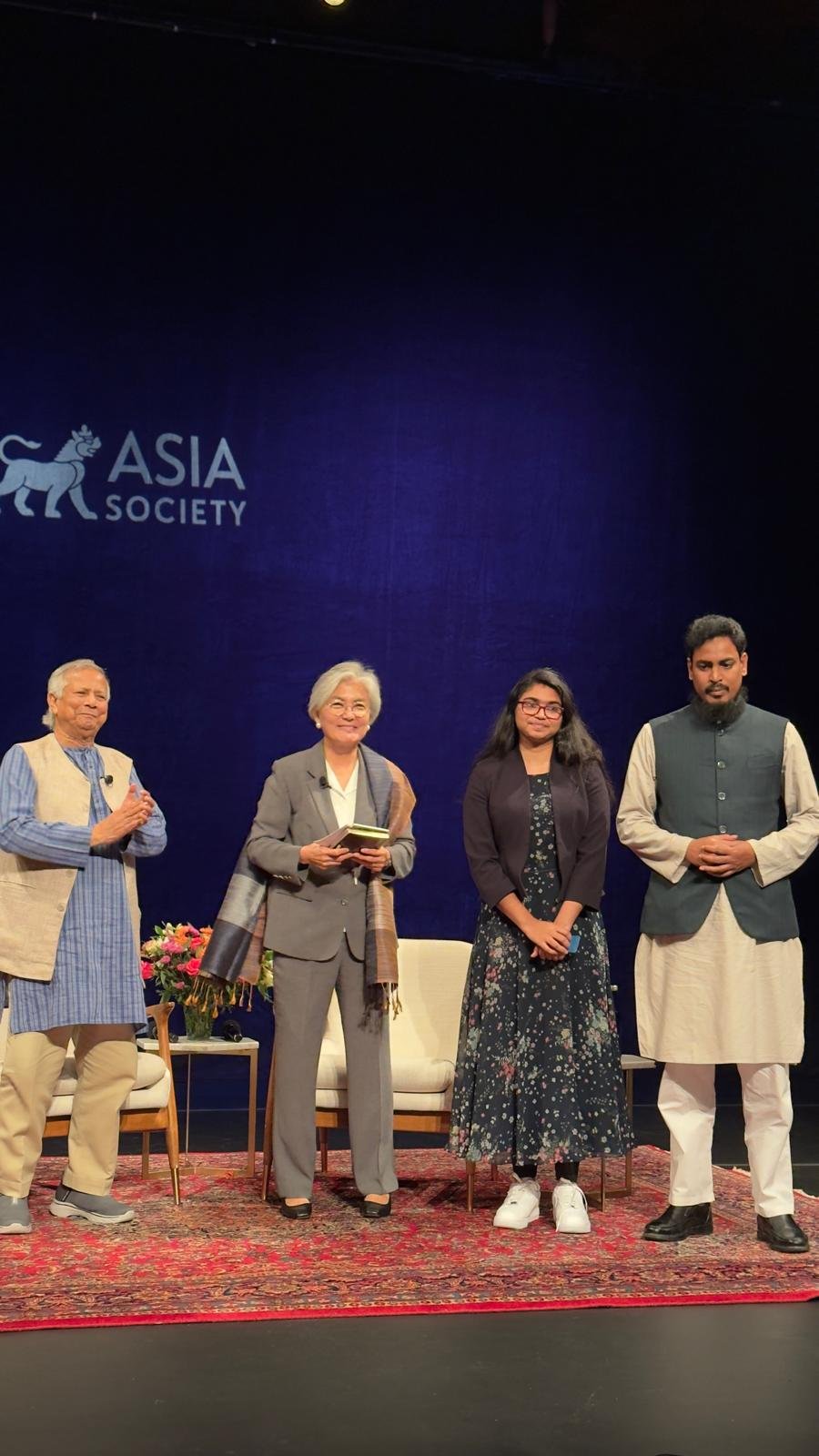
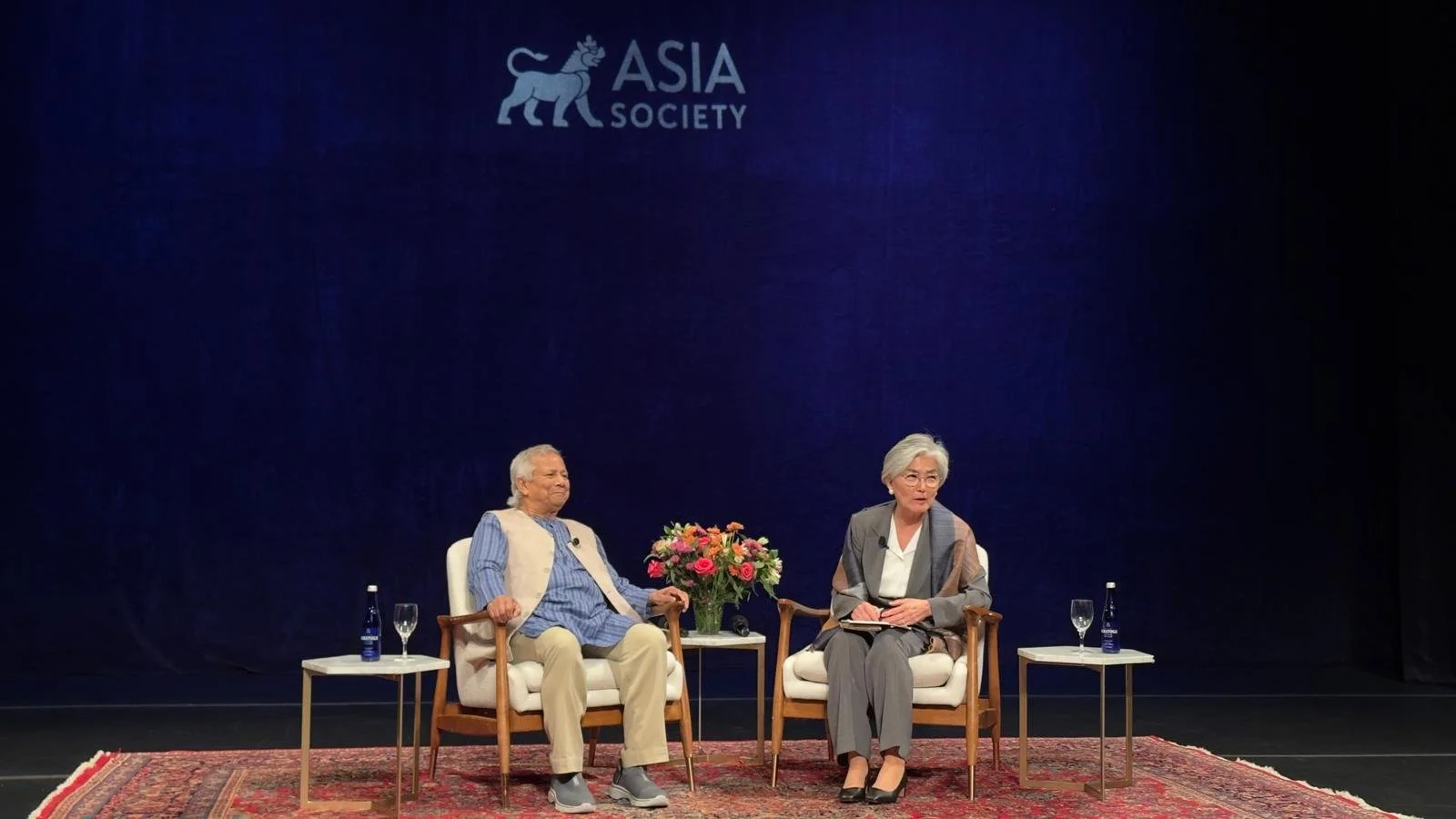
Wednesday was the Bangladesh day. It began with the development sector over breakfast, ran through a meeting at the Permanent Mission of Bangladesh to the UN, and ended at Asia Society, where Chief Adviser Muhammad Yunus gave an address and took questions from Kyung-wha Kang, then the Society's president and a former foreign minister of South Korea.
Yunus made the regional case plainly. South Asia holds close to a quarter of the world's population and produces under 4 percent of global GDP, and it remains one of the least integrated regions on earth. That gap is not a statistic for a report. It is why our research agenda is regional rather than national, and why we treat migration, remittances and trade as one file rather than three.
Bangladesh appeared elsewhere in the week. Lutfey Siddiqi, Special Envoy of the Chief Adviser, spoke at Foreign Policy's development forum on protecting human rights. The Rohingya file, which we had written about days earlier, sat underneath the conversations on humanitarian financing. For a diaspora organization this is the argument for showing up: our country's questions were being discussed in rooms where no one from our community was otherwise present.
Access comes before algorithms
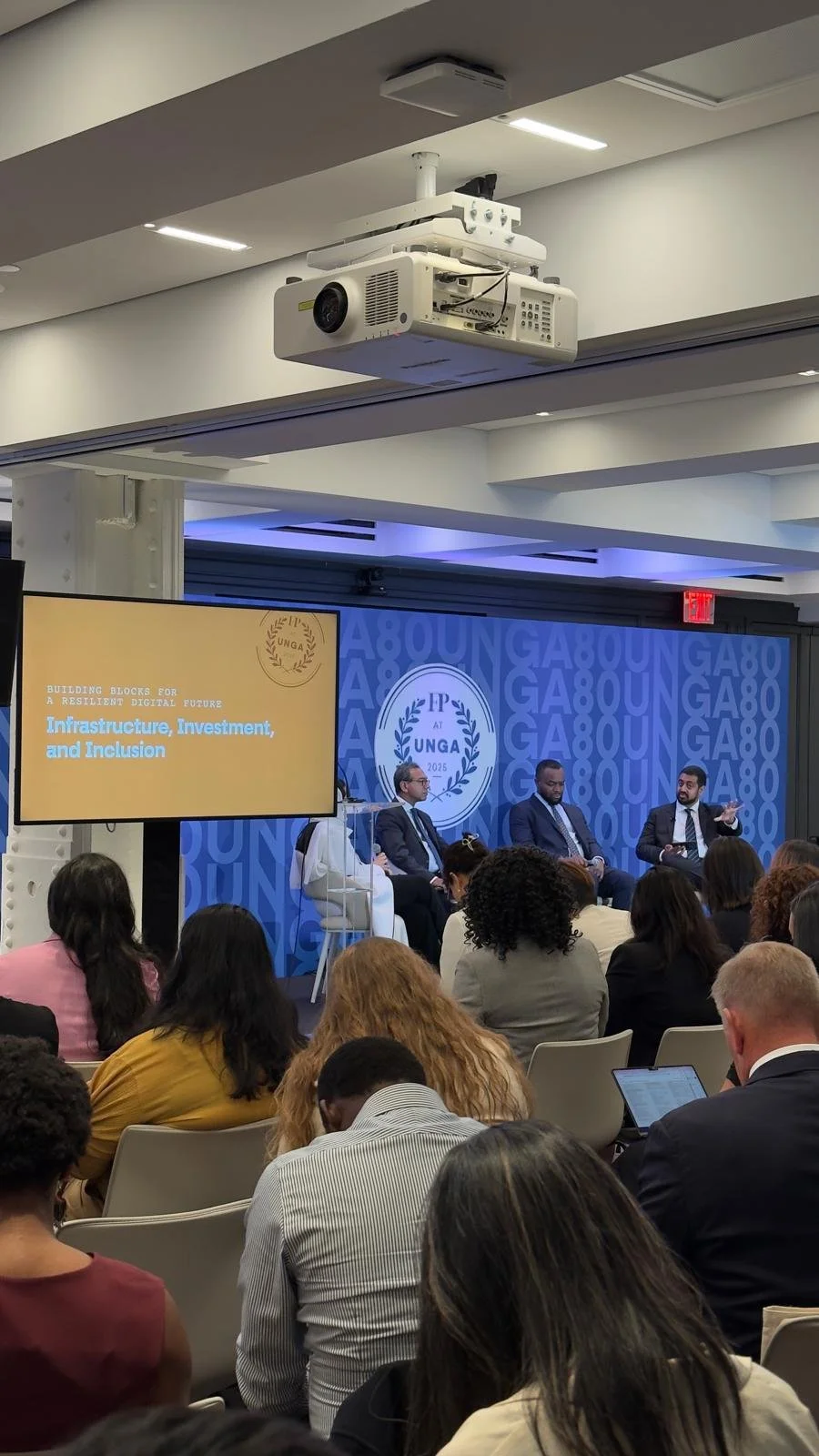
The technology conversation was more grounded than we expected. At Foreign Policy's Tech and AI Forum the session that landed hardest was not about models or regulation. It was about infrastructure, investment and inclusion, with the Digital Cooperation Organization, Nigeria's digital economy minister and the GSMA arguing that AI access depends on connectivity and public digital infrastructure long before it depends on frontier capability.
The energy version of the same argument ran at the Atlantic Council's Africa Energy Forum, where a US official noted that more than 600 million Africans still lack electricity while the continent contributes under 4 percent of global emissions. Data centres, AI and energy access are now one conversation. South Asia's version of it is barely being had, which is where we have since pointed our research.
Democracy is a question of trust, not only of rules
JWF's conference closed the week's hardest session. Speakers from India, Brazil and Turkey described the same pattern from three directions: the digital tools that let civil society organize are the tools used to suppress it. A senior editor described her country as both the best and the worst place to practise journalism. A Brazilian professor called the January 2023 insurrection an algorithmic one, organized in the open through livestreams and messaging groups, and argued that “democracy is not just about protecting institutions, it is about preserving dignity.”
That reframed our media work. Press freedom, youth voice and misinformation are usually run as three programs. They are one problem with three entry points.
The week had lighter registers too. At The Impact Lounge, inside UN Headquarters and at Rockefeller Center, filmmakers and creators made the case that climate is a public health story and that mental health belongs in it. We spent time with the actor and mental health advocate Alyson Stoner on exactly that point, and it has shaped how our community programming talks about wellbeing.
What a week like this is actually for
Amina Mohammed was right that the anniversary was base camp rather than a summit. The same is true of a delegation. Arriving is not the achievement. The climb is measured in what gets built once everyone goes home: the research that gets written, the partner who takes your call in March, the speaker who says yes to your event, the column that puts your community's questions in front of a national readership.
A year on, that is how we judge UNGA80, and what we report back. It gave our research its frame, put our policy lead inside the system, deepened a partnership we had been building for three years, and produced published work while the week was still running. In our first year of association with the Department of Global Communications, the week did what association is meant to do: it moved information in both directions, from the UN's rooms to a diaspora community across 11 countries, and from that community into rooms where its questions are rarely asked. We are back in New York this September with a larger delegation and a sharper set of asks, and with accreditation to a formal UN high-level meeting rather than only its margins.
If you were in those rooms with us, or you would like to speak at our events, mentor or join our fellowship, or work with us on research, we would like to hear from you. Our next moment in New York is our own event at NYU during the 70th Commission on the Status of Women next March.