
Research
Ethnography
Mapping the Social Economy of Danforth
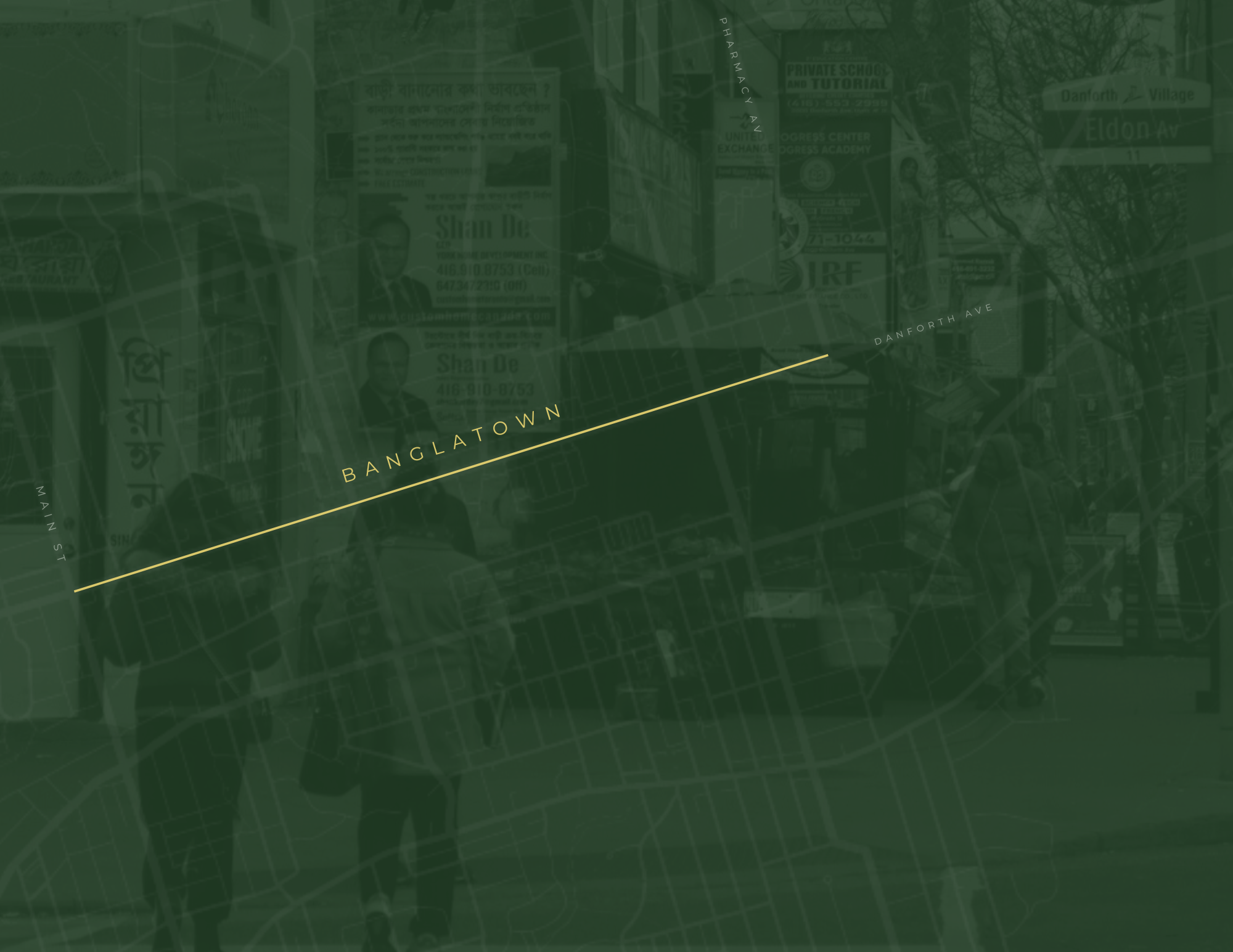
To walk the 1.5-kilometer stretch of Toronto’s East End known as BanglaTown is to witness a community in a state of sophisticated transition. What began in the mid-90s as a cluster of "survival" storefronts has evolved into a permanent urban engine—a self-sustaining ecosystem of commerce, culture, and care.
These ethnographies document the invisible infrastructures of the Danforth. We move beyond the menu to explore how a diaspora navigates the "immigrant slump" through the creation of what we call the Home-Public. From the "Job Diaries" kept in the back of kitchens to the professionalization of informal talk (Adda) in real estate offices, these dispatches reveal how the Bengali community has claimed its right to the city.
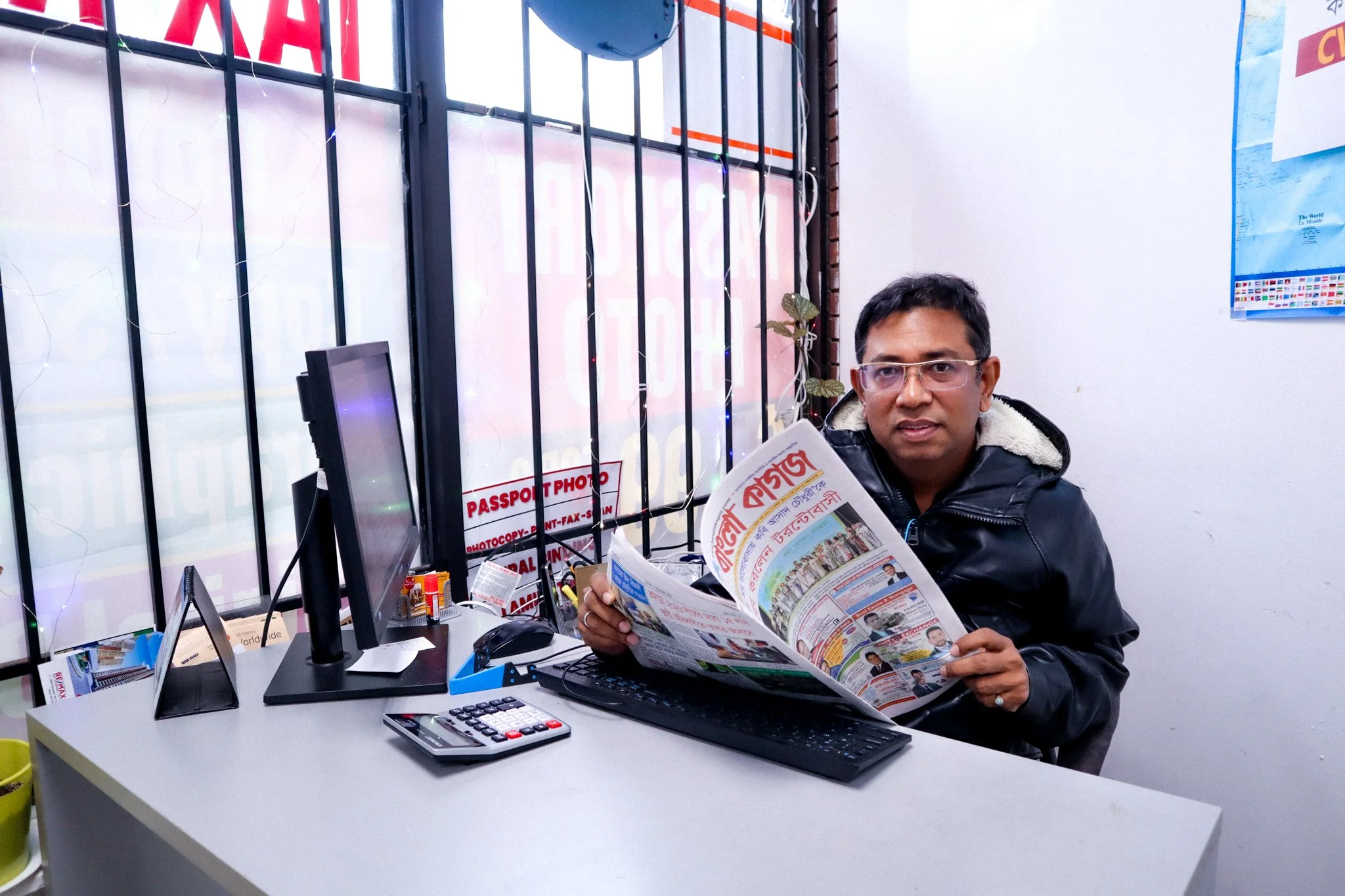

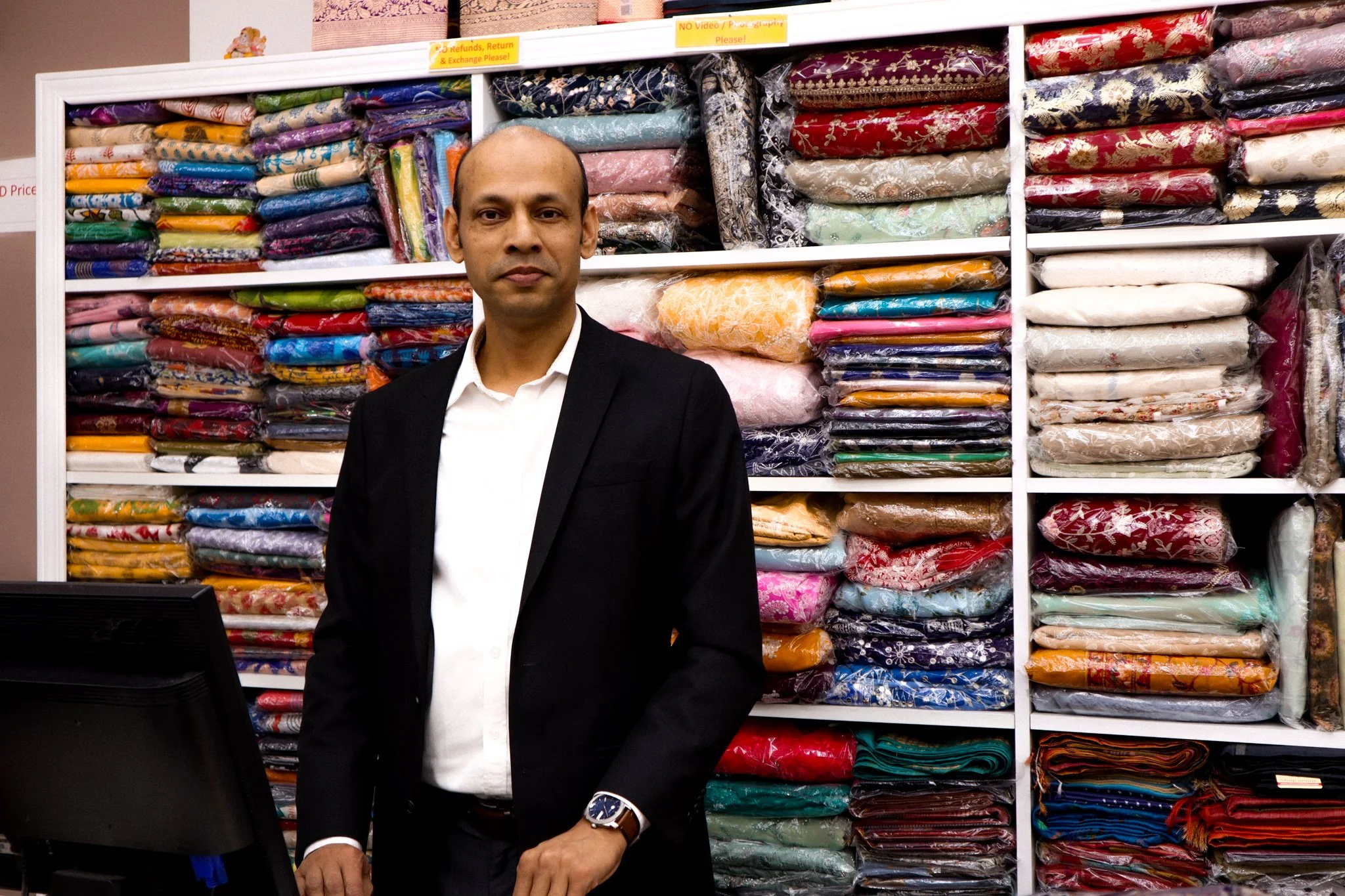
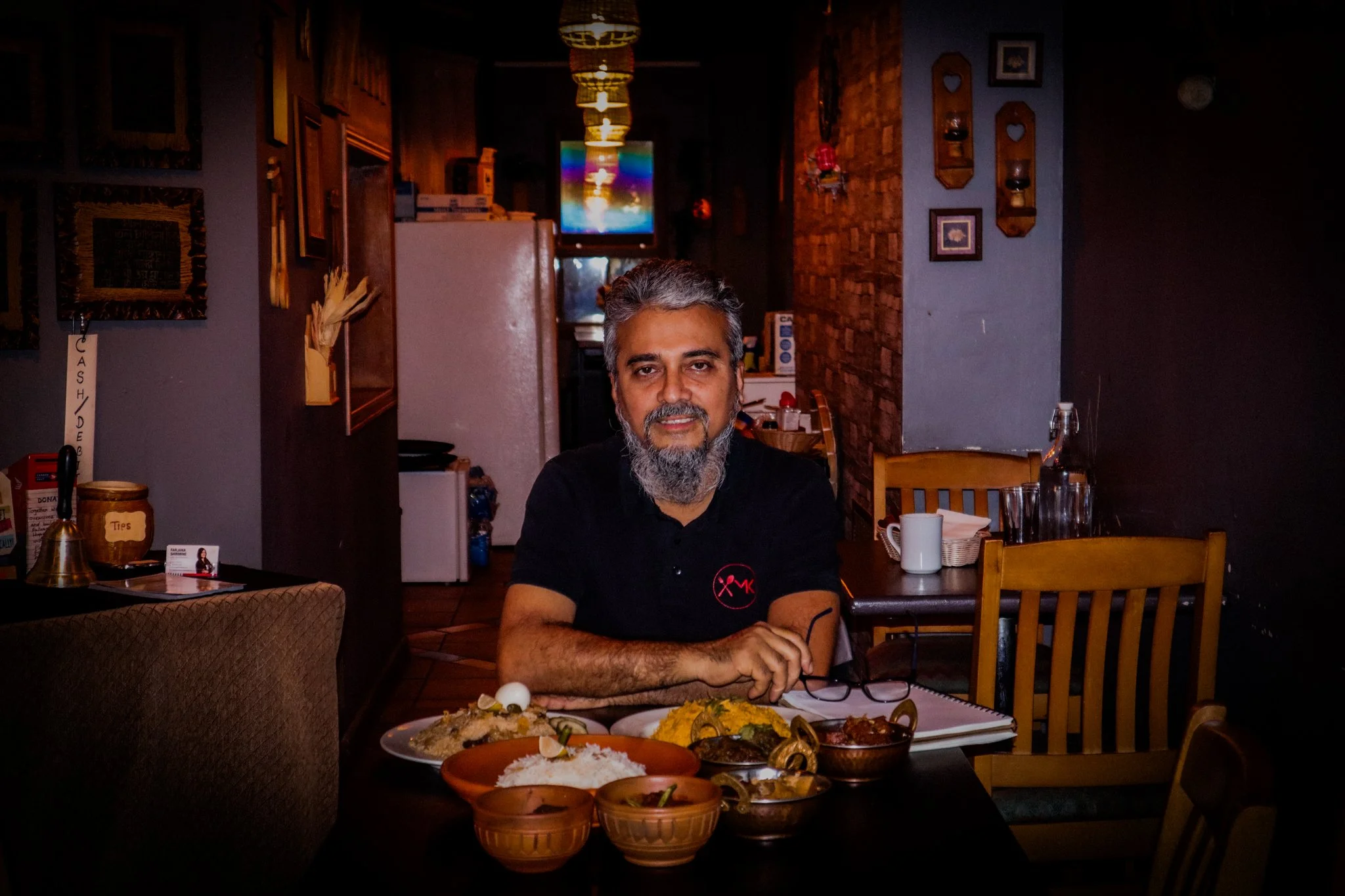
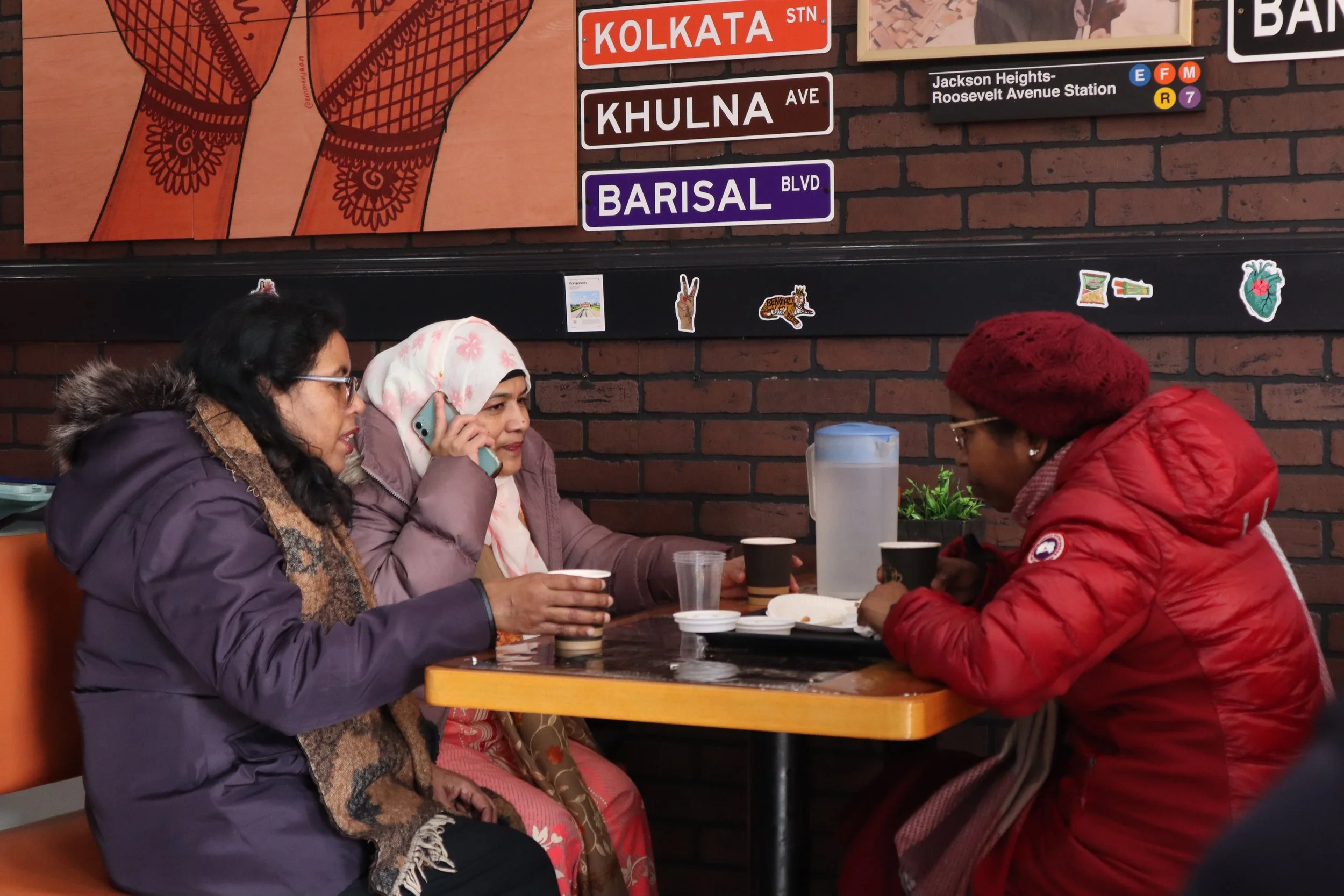
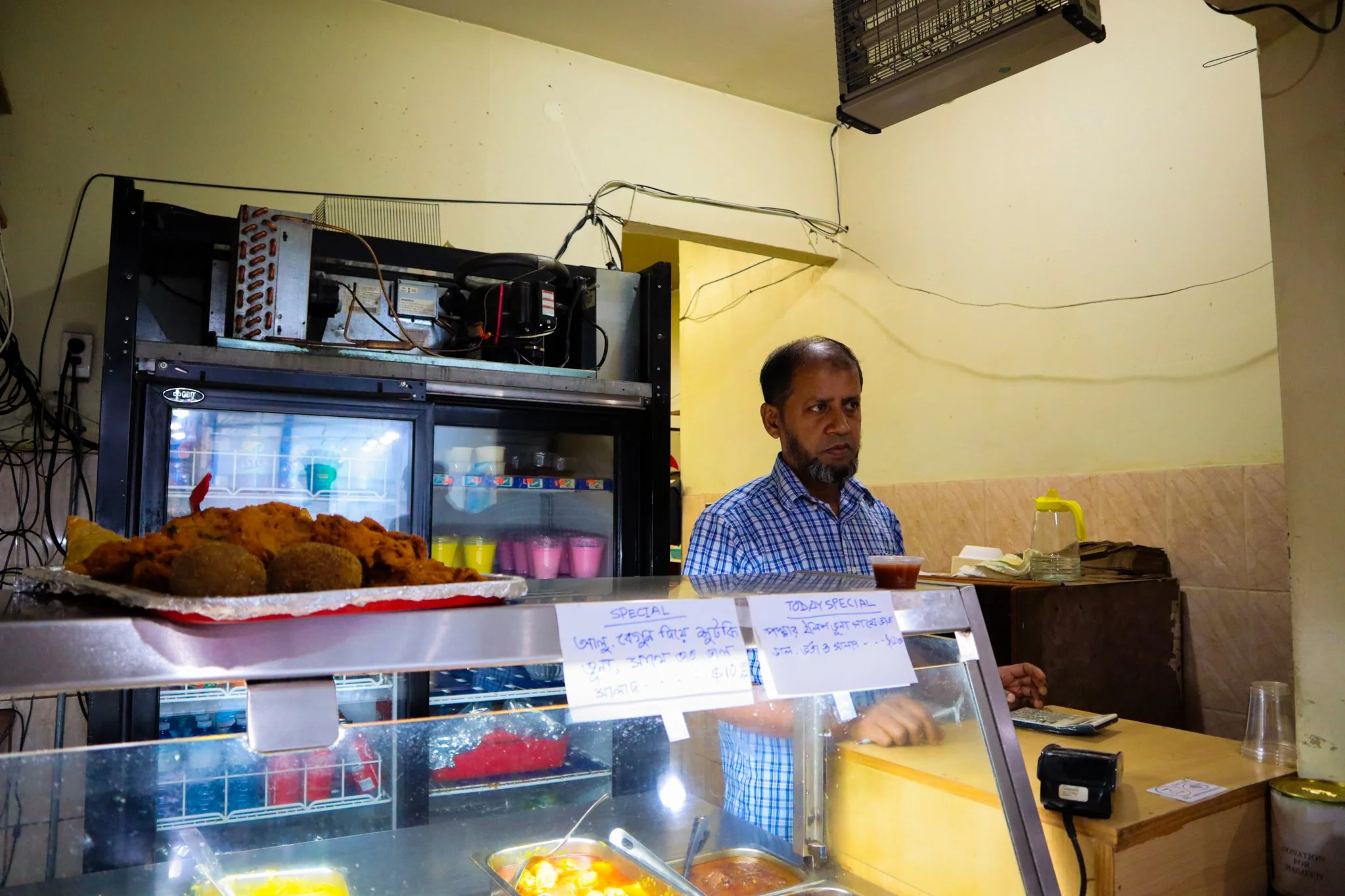
Our dispatches explore the neighborhood through three strategically important lenses:
Minority-Led Business Strategies: Analyzing how "first-mile" anchors and professionalized pivots allow entrepreneurs to withstand economic volatility and transition from survival to legacy.
Diaspora Data Literacy: Surfacing the informal archives and community-led metrics used to solve problems—such as employment and healthcare navigation—when formal systems fail.
Social Innovation: Tracking how cultural rituals, fictive kinship, and the negotiation of urban monuments serve as qualitative indicators of civic resilience and mental health.